
|
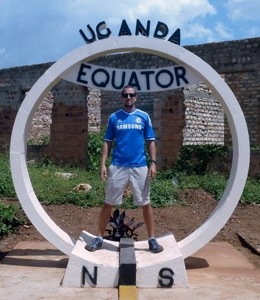
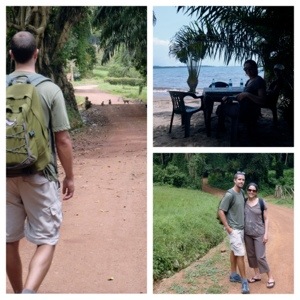
It was so exciting having Maria join us for this part of the trip – our very own personal tour guide! We spent a few days in Entebbe checking out the botanic gardens before driving 4 hours to Makondo. |
|
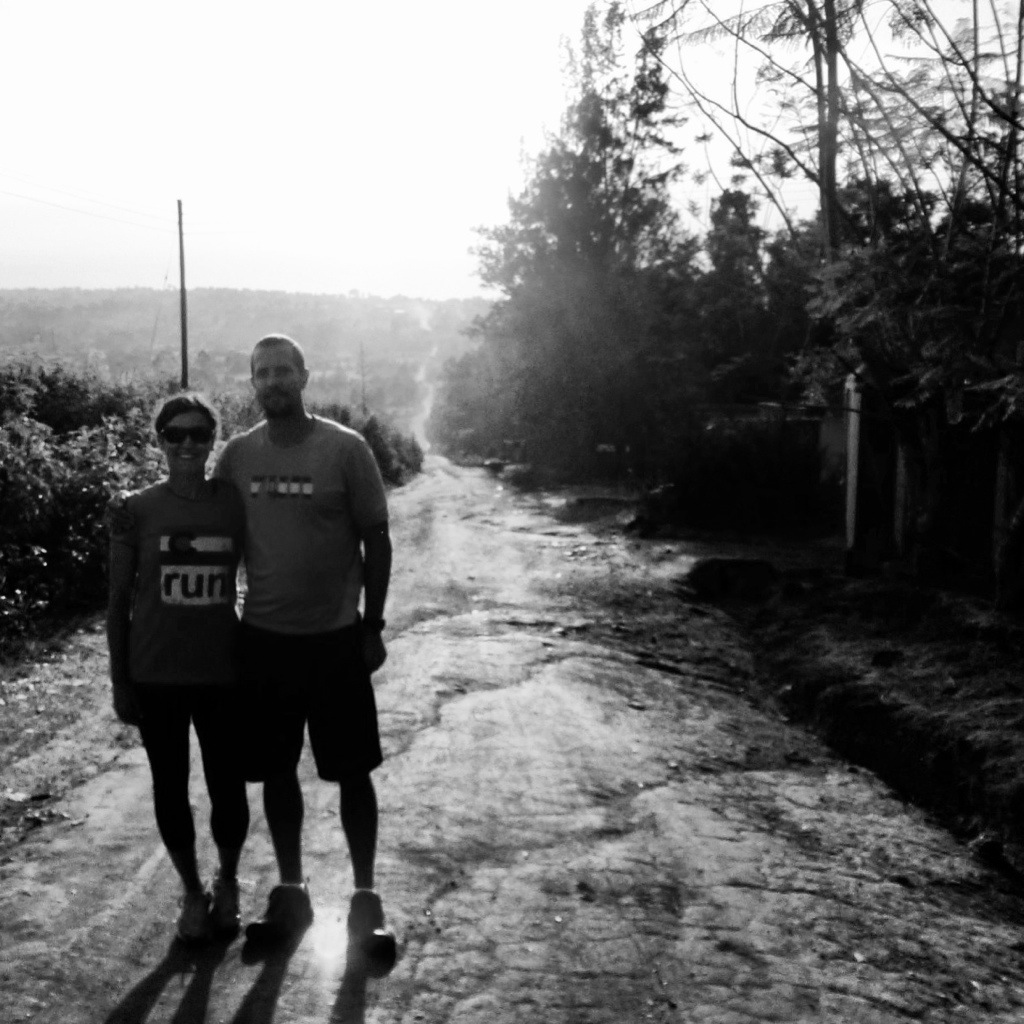
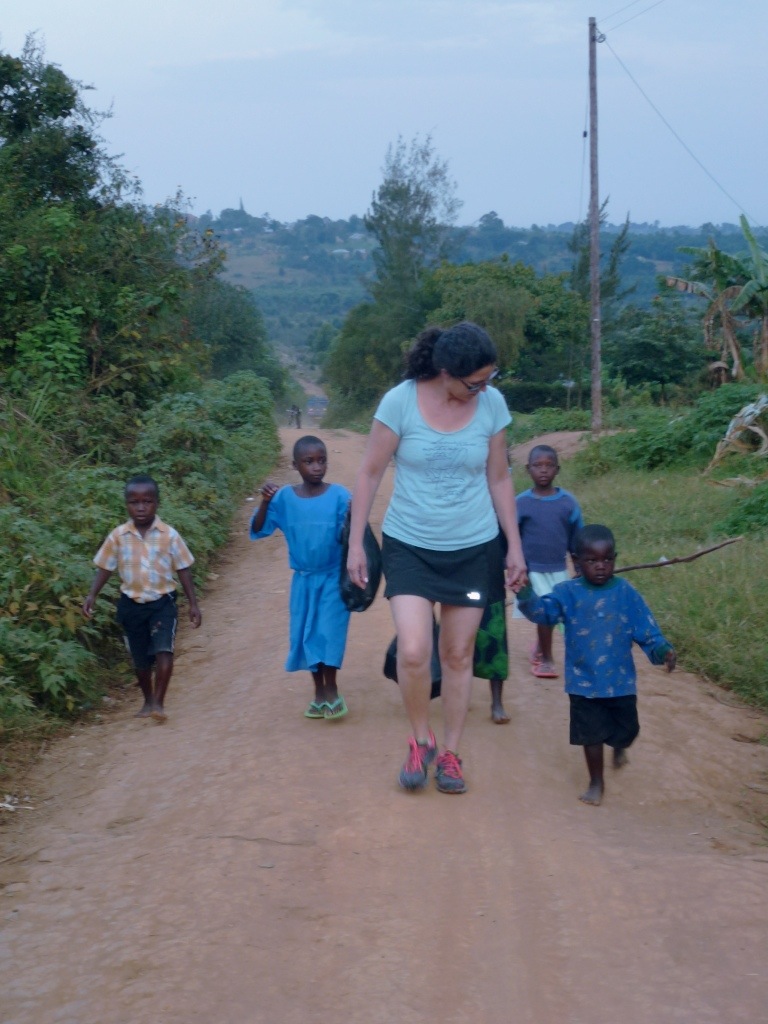
During one of the mornings in Makondo, we went for a morning jog. We found out quickly what it’s like to be minorities. Many of the children were running after us yelling “Muzungo, Muzungo!” which means white person in Swahili. To them, it seems odd to see someone wasting energy by running around. In fact, we even had someone yell, “Are you OK?” thinking we were running from someone or something. |
|
These people will walk upwards of 10KM per day – e.g. filling up jugs of water in the nearby waterhole or picking stalks of maze on their property to sell. Even to Sunday mass — which started at 7:15AM — women and children walked 6KM one way! We understood now why the people of Mukondo were starring as we ran by. |
|
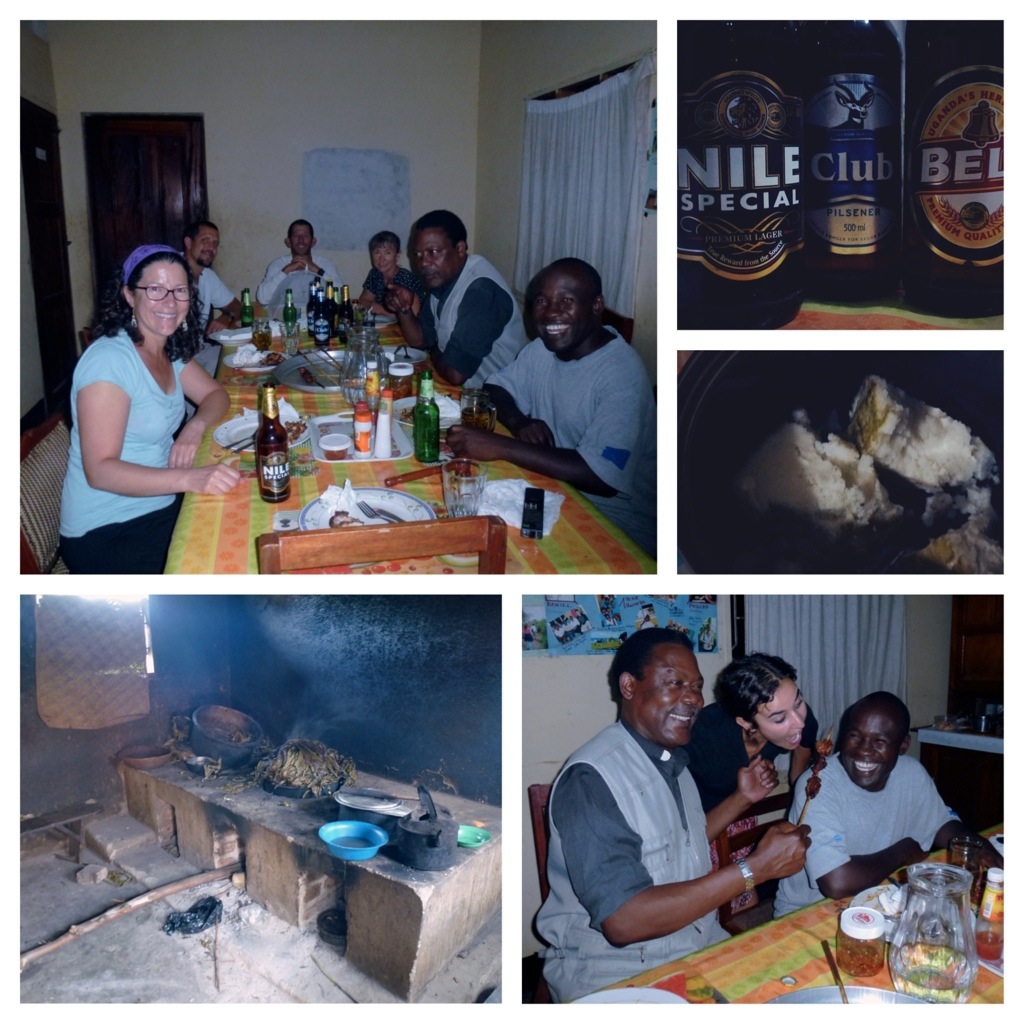
Almost every night during our trip, we walked up to the farm to have dinner. This was where the volunteers (Kris and Dean) and the Father’s slept. According to Dean, they were very happy to have us as guests because their feast during our visit consisted of much more meat and fish. A typical lunch or dinner includes rice, matoke, posho and peanut sauce with pineapple and mango for dessert. Even this would be considered a feast for most families. Matoke is generally served at every meal as it’s readily available. |
|
The taste is… well… quite bland. Kris — one of the volunteers — recommended that we try it with peanut sauce and I was pleasantly surprised at how good that tasted! Posho has a similar bland taste — think clumpy or dried cream of wheat (picture above). I also enjoyed posho with the peanut sauce. Another favorite of the people is mangoes! Christine and Joseph (a few of the students from St. Denis) gave us a whole box of them! And Bizimungu (student from St. Denis) sent us home with 2 pineapples. Considering mangoes cost about $3 each in the states, this was a very nice gesture. We shared the box with several others and it was delicious!! |

|
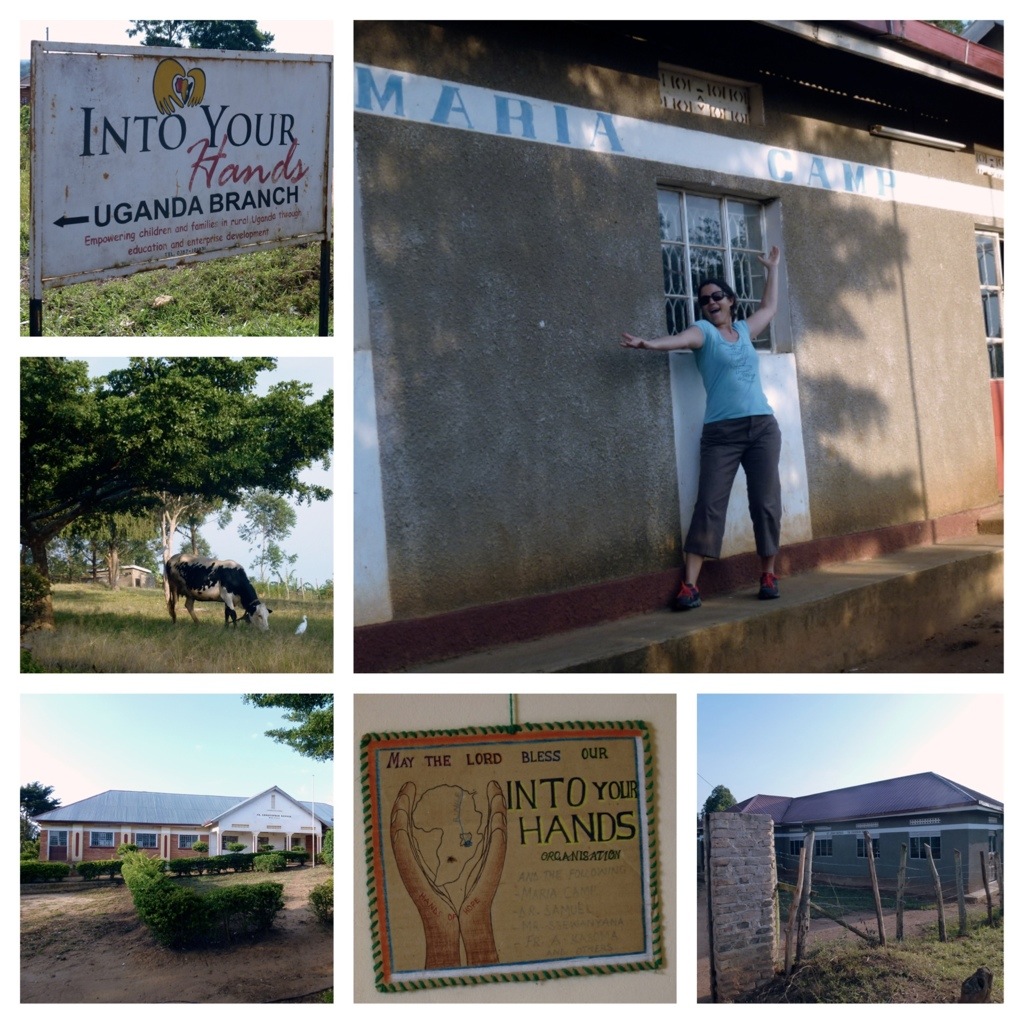
It seemed everywhere we went, Maria was somewhat of a celebrity. During one of our first days, she took us around to show the projects Into Your Hands was working on; which also included the completed classrooms and buildings Maria raised money for over the years. The library, the new dormitory (“The Evergreen Room”), the bore hole (or the local water pump), and several classrooms including “THE MARIA CAMP HALL”. She IS famous!! This was the first building she got involved with back in 1999.. It’s amazing to see all the work she’s done over the years with Into Your Hands and her local Rotary Club. |
|
We even had the privilege of providing a helping hand by cleaning the classrooms before school started back up again (the following Monday). |

|
Another project Into Your Hands has been working on is “send a piglet home”. They will provide the basic materials for the pigs home (e.g. bricks), 2 months supply of food for the pig and the pig itself. In return, the family must give back 2 small piglets once the mother has her first litter (which will be distributed to other families). Subsequently, the families will make money off of selling the piglets to other families, providing income for the child to attend school. It’s a wonderful program that has worked well in the past. Below is a picture of a family we met during our stay.. |

|
Into Your Hands also provides scholarships for students. One of those students is Bizimungu — a 19-year-old from Rwanda, who has moved to Uganda with his 3 siblings and parents (picture below). He completed his last year of secondary school (equivalent of a high school degree) and will be filling out college applications soon. We had the privilege of spending time with him. He seems to have his priorities straight and even better, he’s paving a path for his younger siblings to follow. It’s just amazing to see his progress since he started the program 6 years ago.. |

|
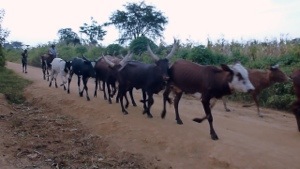
A day in the life of a Ugandan is quite different than the average American. It’s typical to find a family of 10 kids with a father who is no longer around (or spending his days with other males playing cards and drinking games). The kids are needed to help around the house, to gather food from the garden for dinner, to fetch fresh water from the water well and even look after younger siblings. This leaves little time for an education. |

|
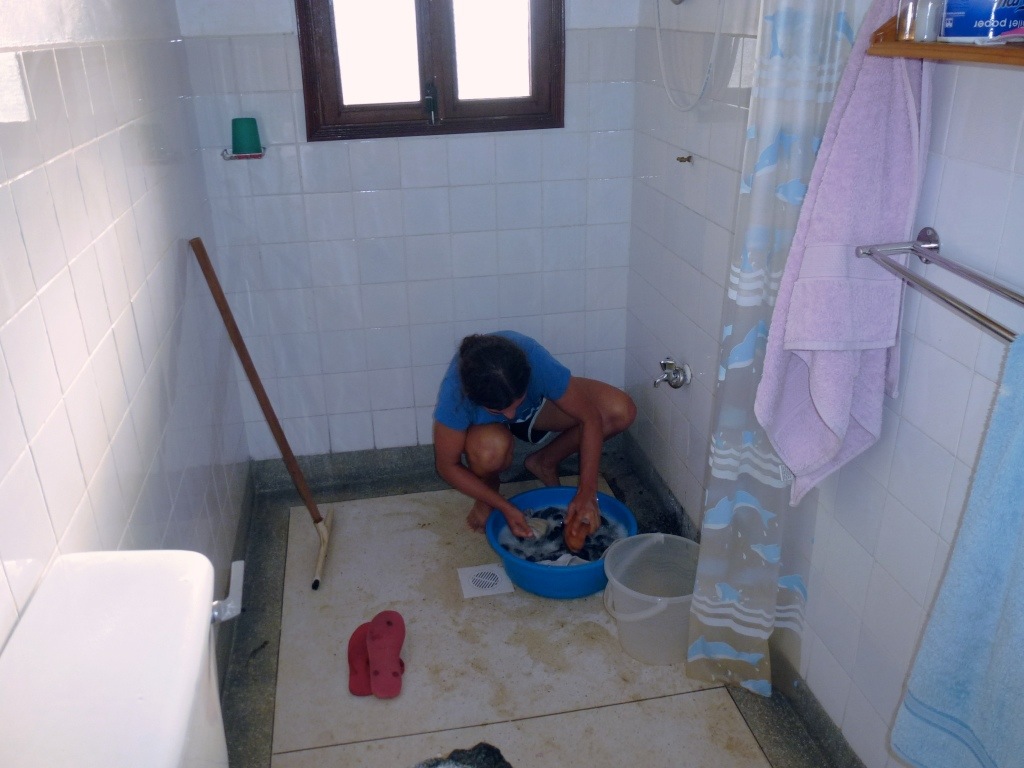
It was such a humbling experience for us. We had to wash our own clothes by hand, conserve water (which means no long or hot showers), cook our food and wash our dishes, and find ways to entertain ourselves (without electricity – in some cases – and no TV). The experience enabled us to truly start appreciating the small things in life again. Absolutley wonderful experience! |
 Rob and Linds