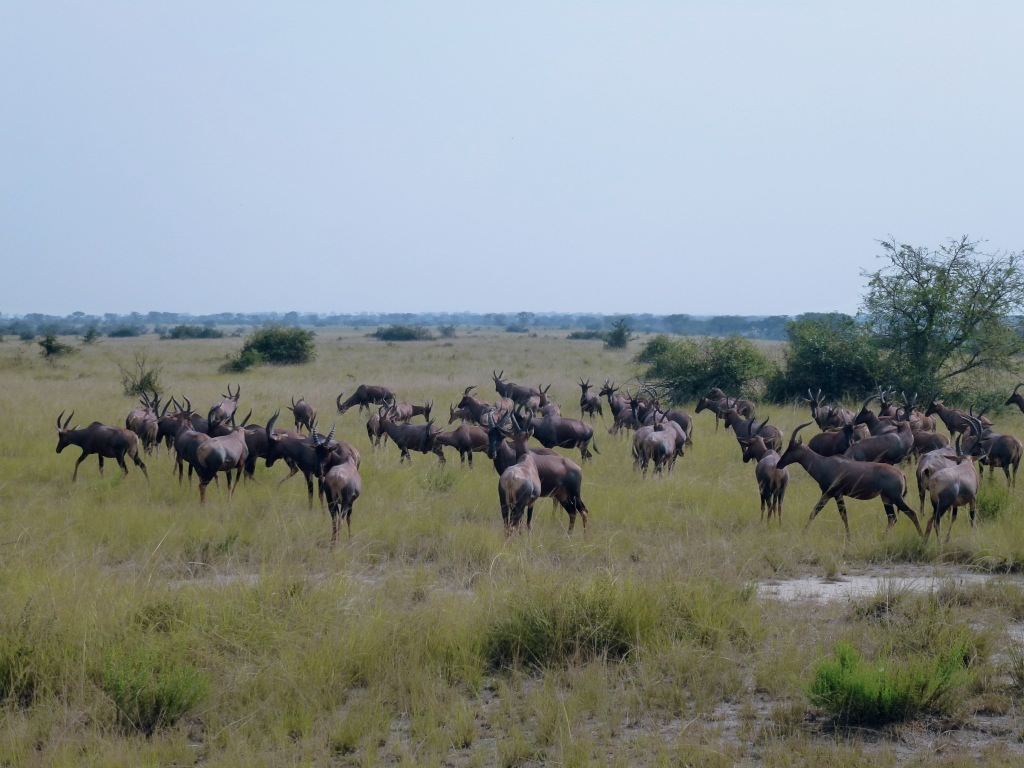
Zanzibar, Tanzania

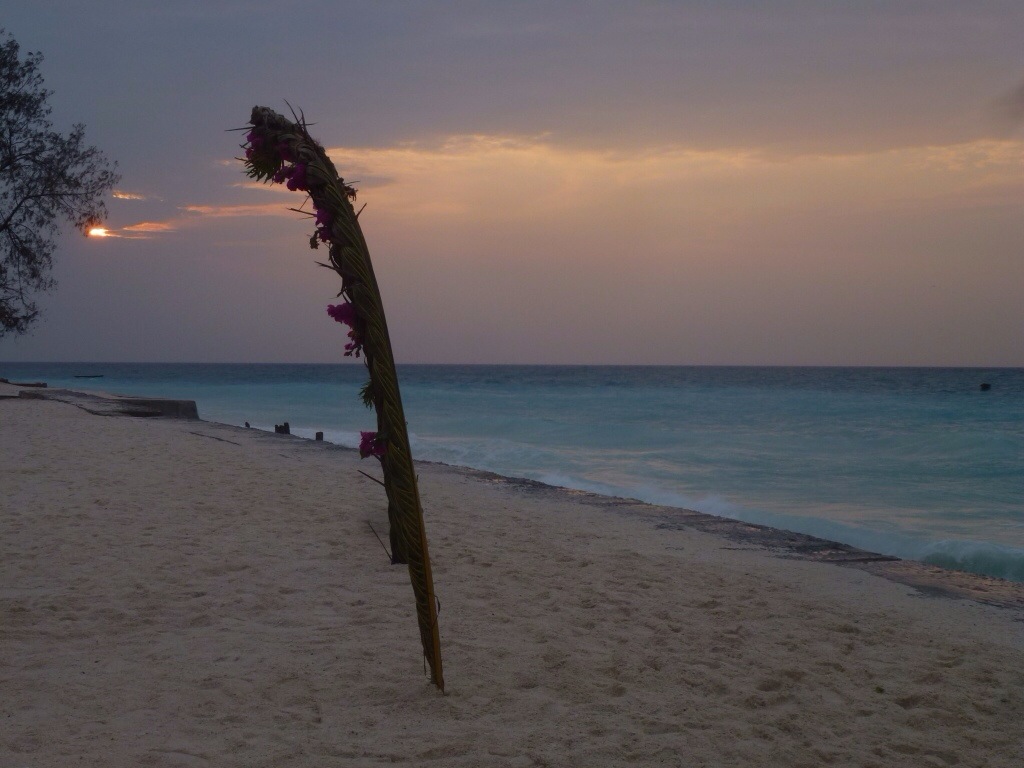
After all the traveling, we were happy to take some time doing absolutely nothing on the island of Zanzibar — an small island just off the coast of Tanzania. We came here after a recommendation from our UK friends, Tom and Lynne.

20140226-142034.jpg

20140228-124232.jpg

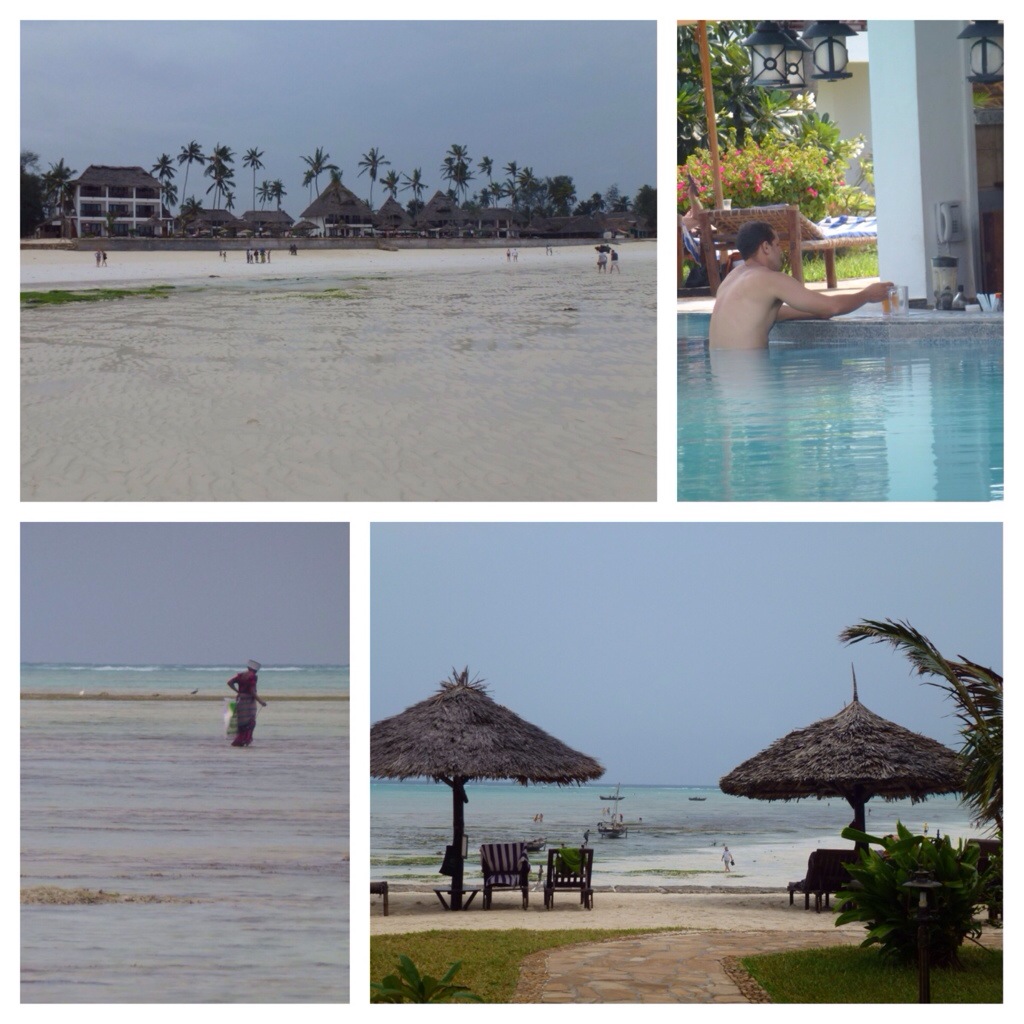
It took us about an hour to get to our hotel at the tip of the island — a very remote place on the island. Once we arrived at our hotel, we were in heaven! It was beautiful!

20140228-124223.jpg

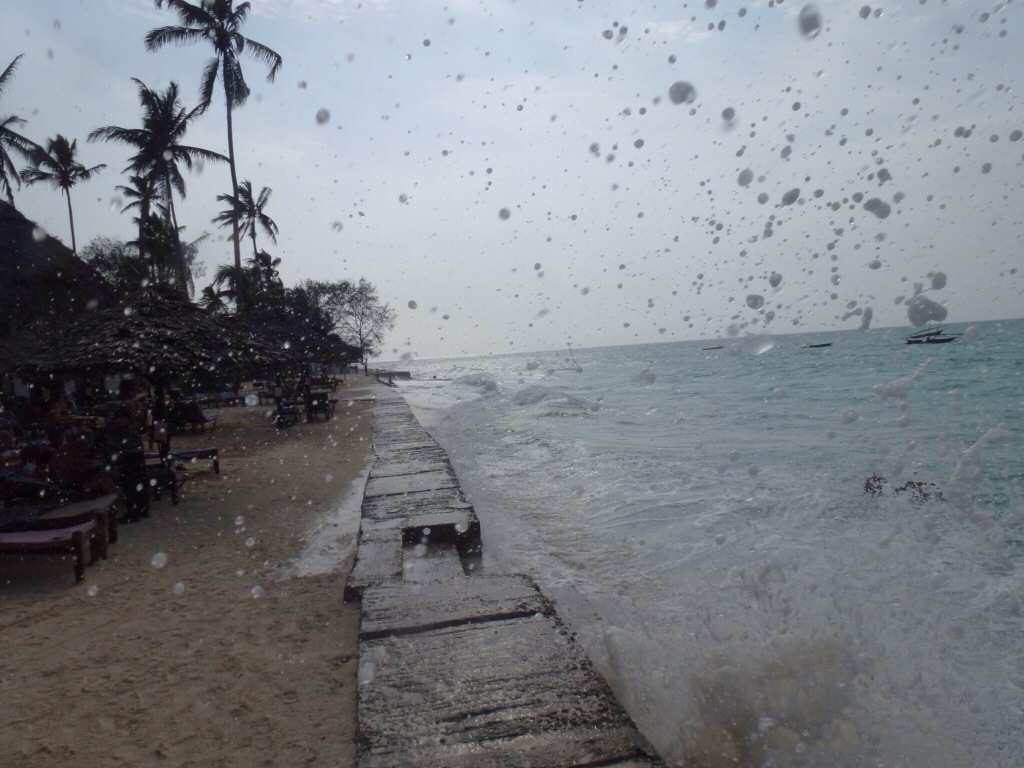
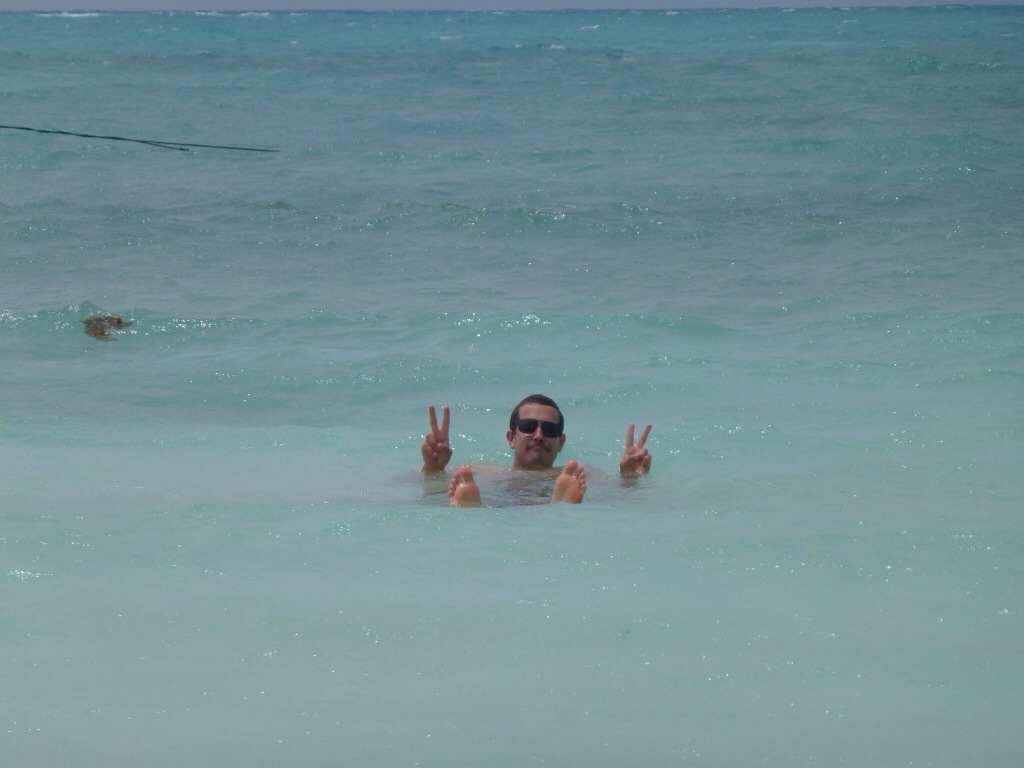
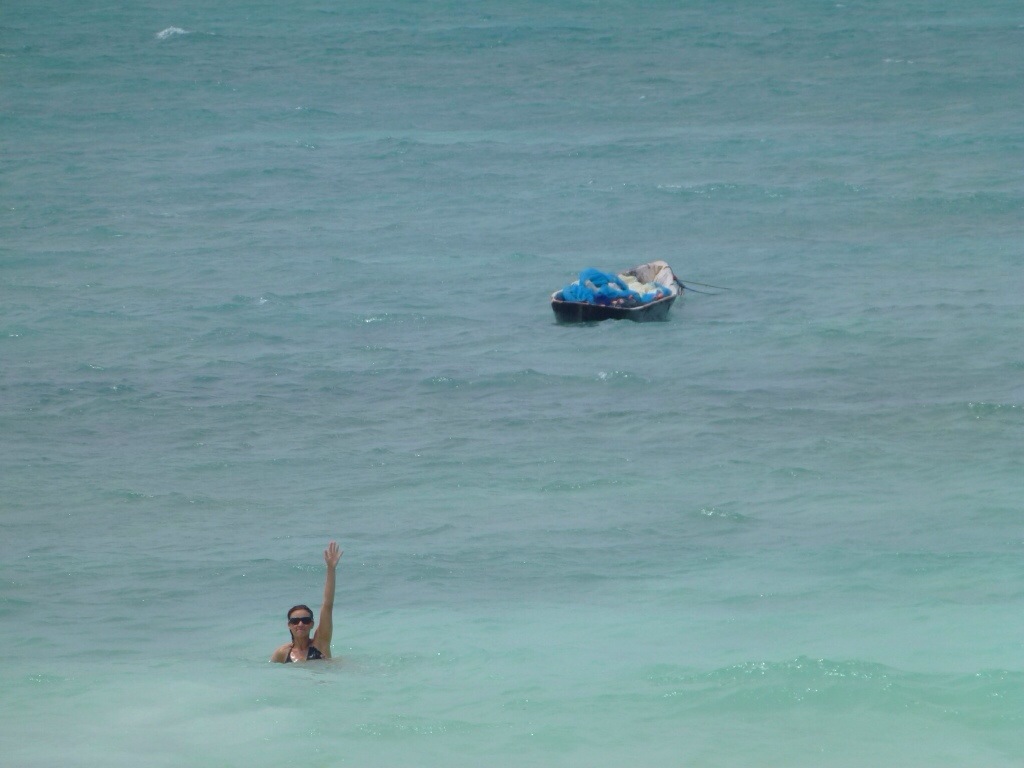
The ocean waters around the island remain at about 80 degrees year round. This was very warm for us when comparing to the ocean water in South Africa and in some ways did not feel all that refreshing especially with the 100% humidity. Additionally, the tides were some of the biggest we’ve seen! By 10 AM, the tides were about 3 football fields from the shore then within a matter of hours, the tide would smash against the cement wall (see picture below). It was fascinating to watch and pretty unique!

20140228-124258.jpg

20140228-124324.jpg

20140228-124240.jpg

On our way to the airport, our taxi driver got stopped 5 different times by the police. At the final stop, the police wrote him a “ticket” for his front windshield (apparently, it was too dark). When the driver got back in the car, he told us that bribes with the police are a fairly common practice on the island. He had to pay them off to continue driving! It didn’t stop there… once we arrived at the airport, we were checking in and the person taking our bags would not stop staring at Rob. Rob was smart enough not to make eye contact. Unfortunately, I didn’t notice and walked around towards the gate when he stopped me and asked for a tip to “ensure our bags were looked after”. When I told him I didn’t have any cash on me he seemed disappointed – which made me worried about our bags even making it! Next, once we paid the export tax, I went to get a bottled water inside/ near the gate. The store owner asked if I was American. When I responded yes, he began by explaining how I could help him with a problem he’s been having for years. He then proceeded to take out a one-hundred dollar bill and explained that the corner was ripped and therefore he could no longer use it. Since he could not access an American bank, he asked if I could replace his one-hundred dollar bill with a crisp one-hundred dollar bill that I had. I honestly laughed out loud. I couldn’t believe he was asking me to basically give him $100 – as his was clearly counterfeit! By this point, I was ready to leave and get back “home”…

20140228-124248.jpg

Minus the few minor issues we had getting to the airport, Zanzibar was a beautiful place to visit. We had a great time .. doing nothing!

Tanzania Safari

Kind of strangely, Duma called our safari company to saying we wanted Isaac to be our guide for the rest of the trip. Isaac was the driver who took us to Mt Meru and all we said to Duma was it was nice that he was driving faster than our previous safari guide, Francis. We assumed that Duma was just doing a favor for his buddy but learned after the fact that he had just met Isaac the same day we did.

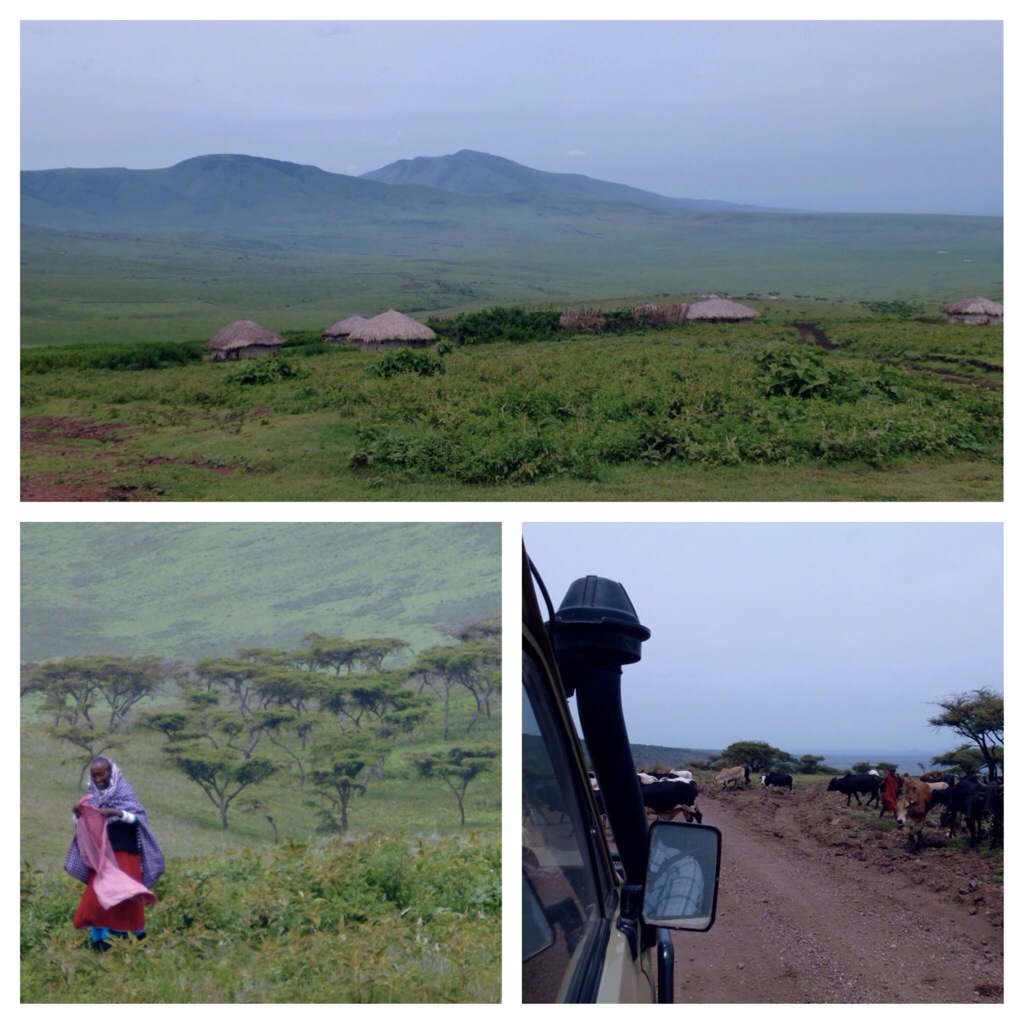
Anyway, Isaac picked us up at 9:00 am and we started the two hour drive to Tarangire National Park. It was a much smoother drive, only small segments of dirt road. Along the drive, we passed through a number of Maasai villages. The Maasai still live in very simple mud and straw huts, they are nomadic, and still wear simple robes. The robes are always red or blue. Issac told us that many years ago the Maasai moved to east Africa from the Sudan. They were attacked by crocodile as they crossed the Nile so the red represents the blood that was shed and blue represents the Nile River.

20140226-130305.jpg

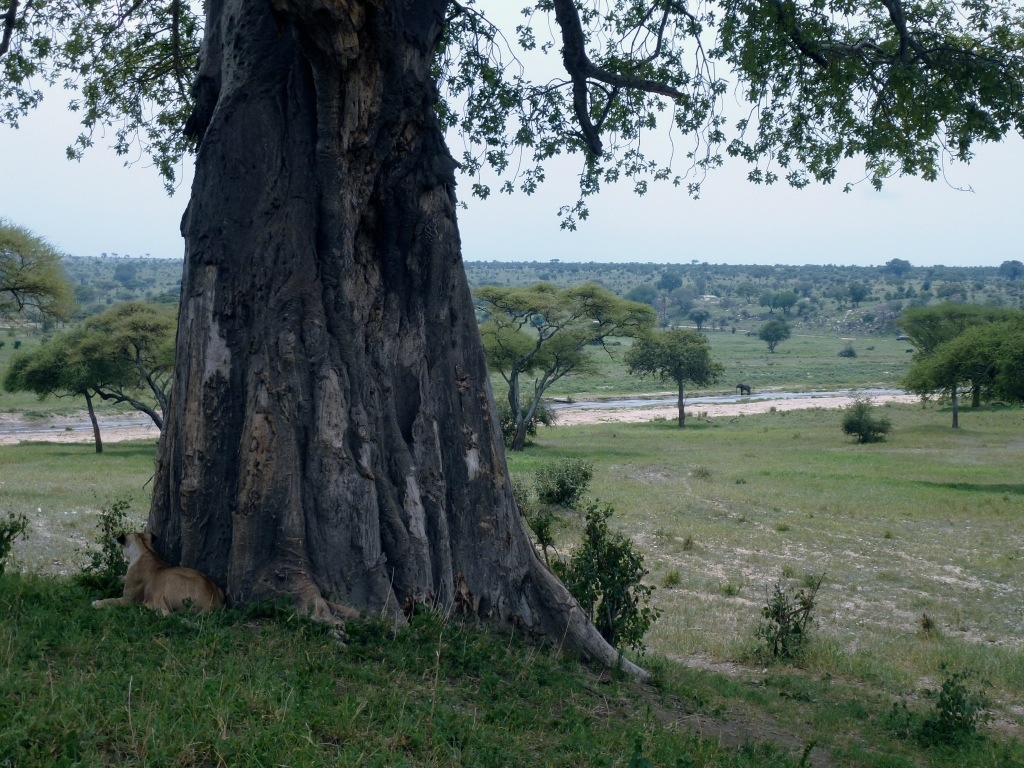
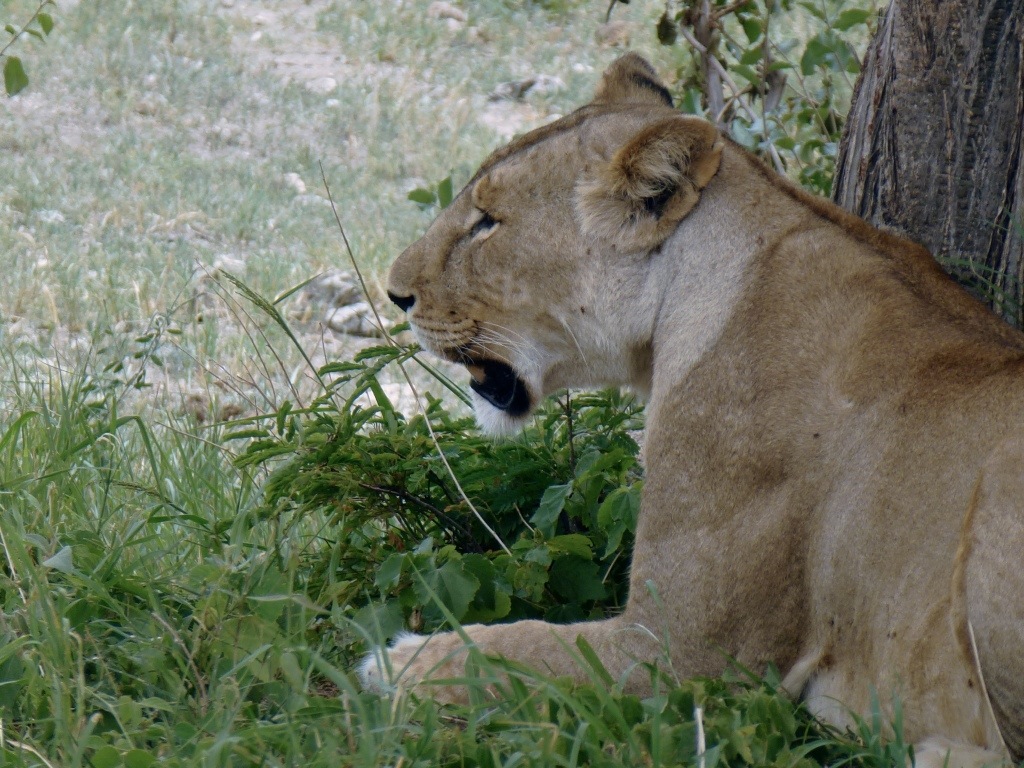
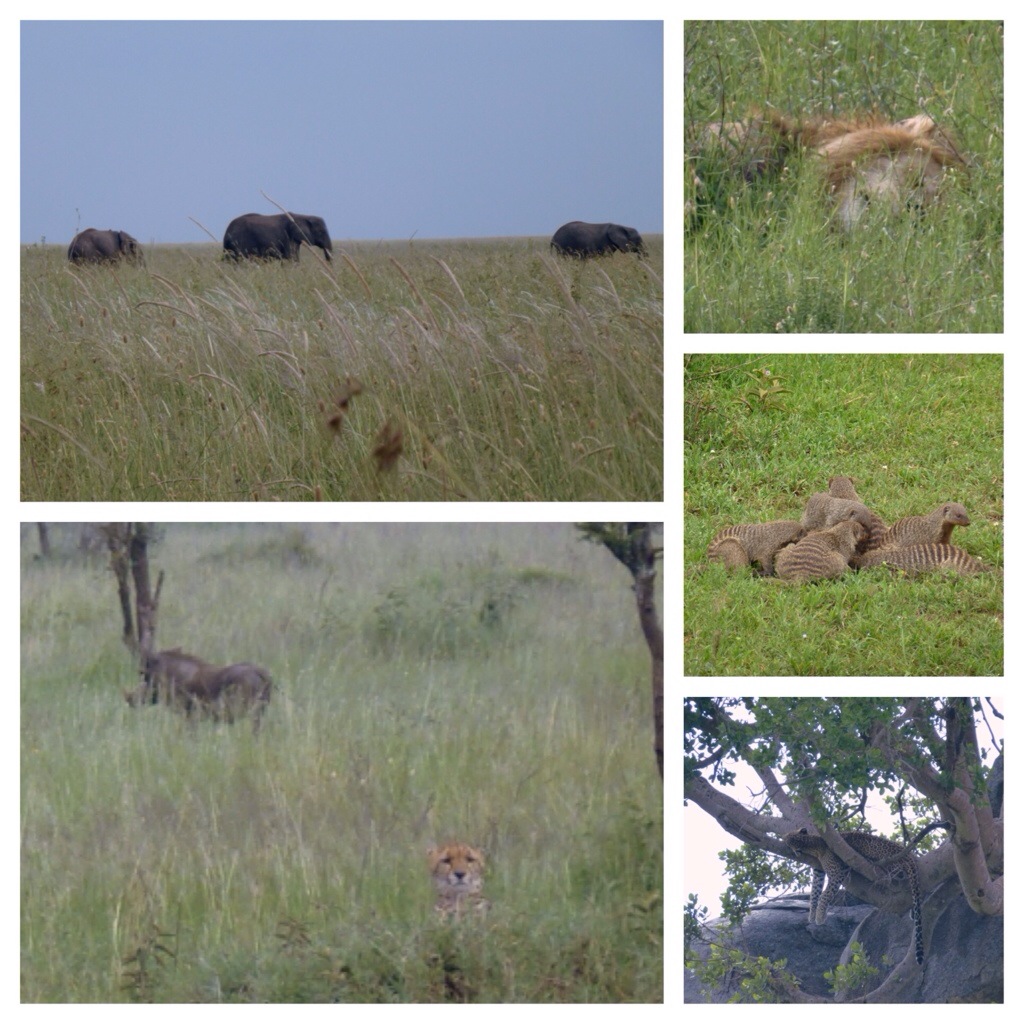
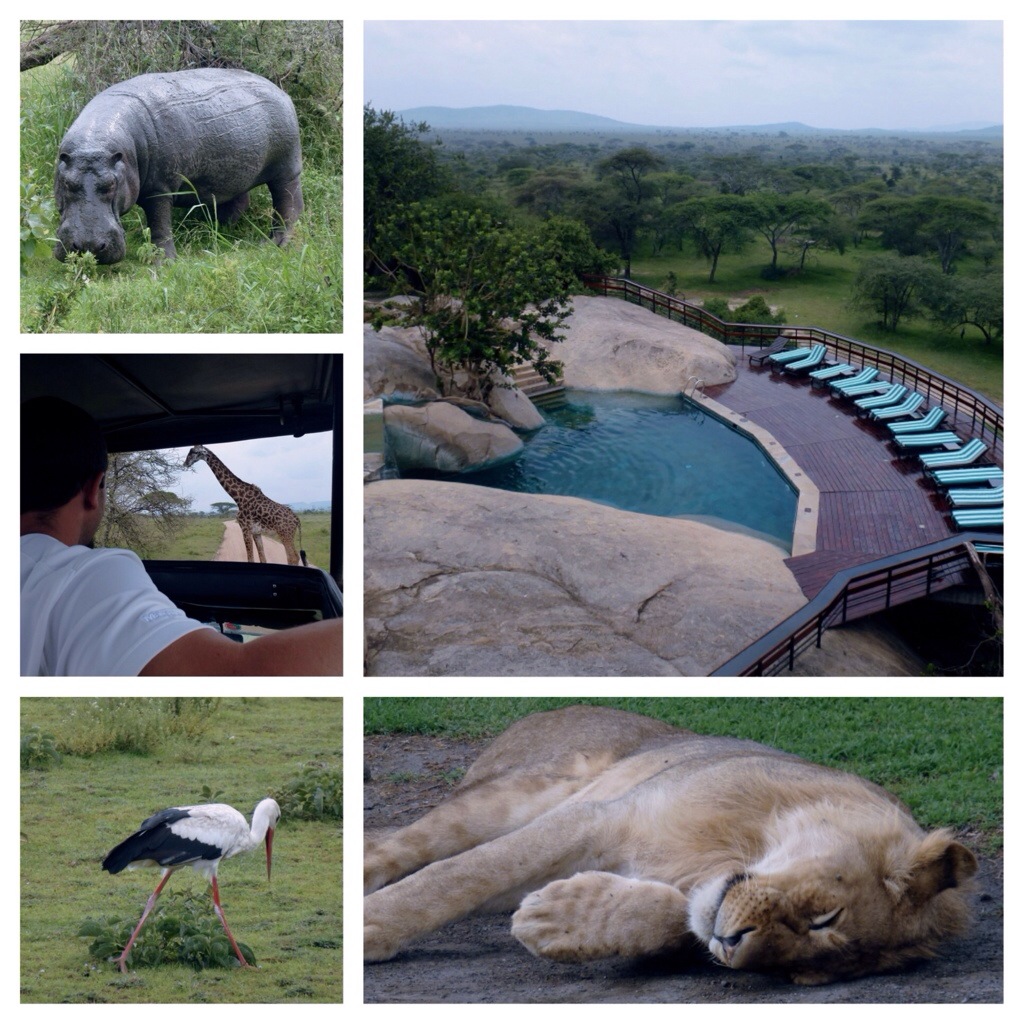
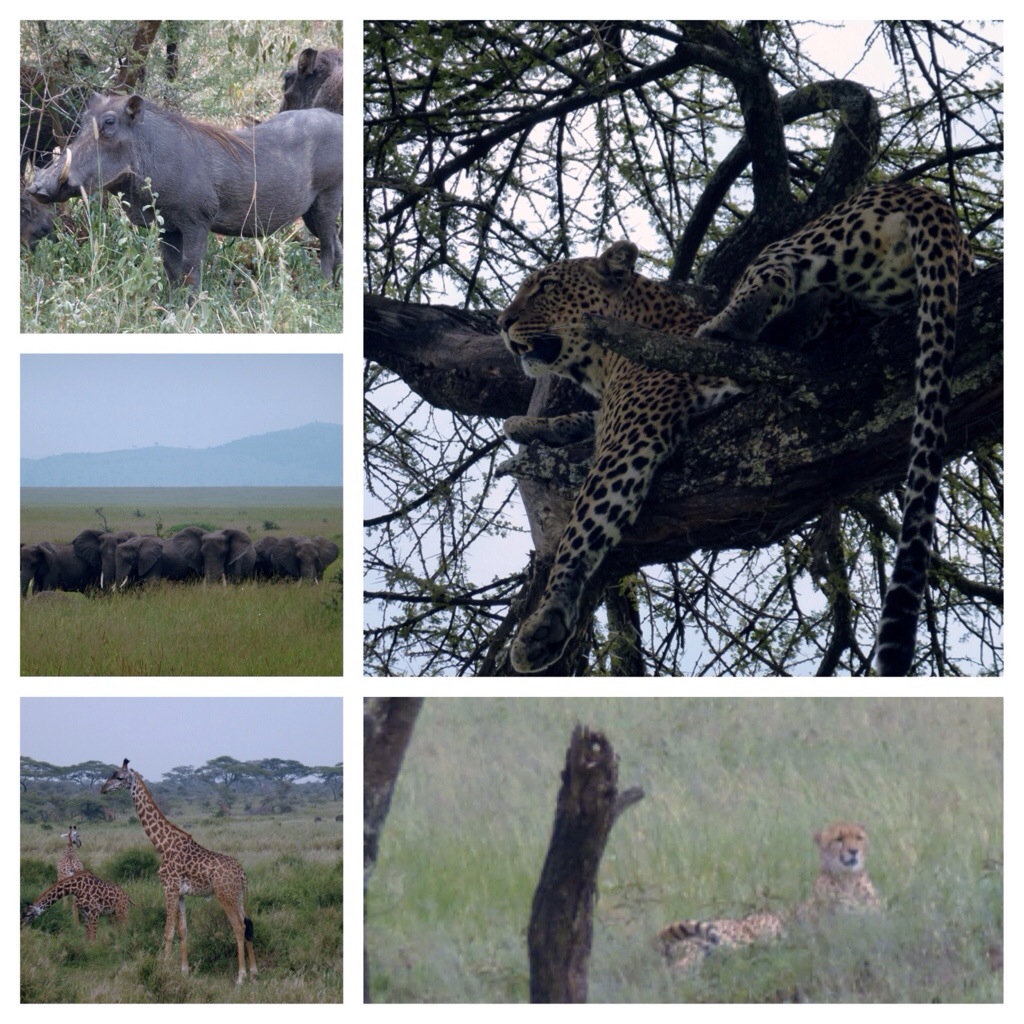
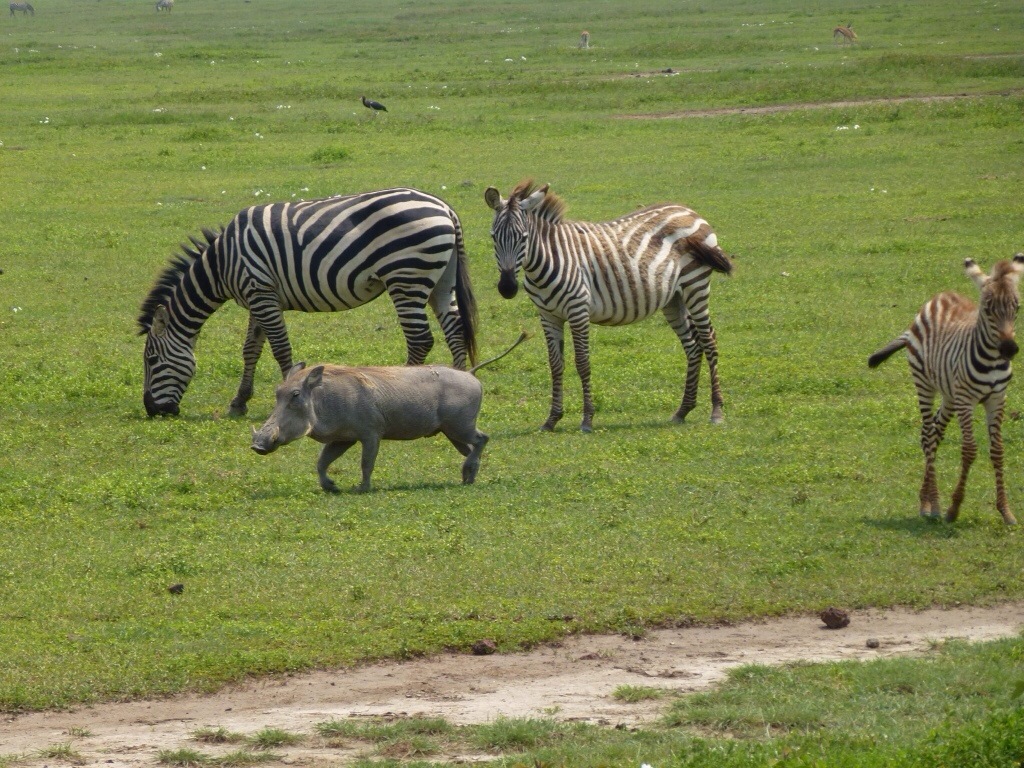
We spent about 4 hours driving through the park and saw a ton of animals. Some of the highlights were: spending about 15 minutes right in the middle of a heard of about 40 elephants, seeing several giraffes up close for the first time, a lone female lion looking like she was about to make a kill, and another leopard. We were very lucky to see another leopard, although this one was not as dramatic as Queen Elizabeth National Park. We also saw a lot of ostrich, warthog, elephants, impala, and zebra.

20140218-145914.jpg

20140218-145930.jpg

20140218-145949.jpg

20140218-145958.jpg

20140218-145923.jpg

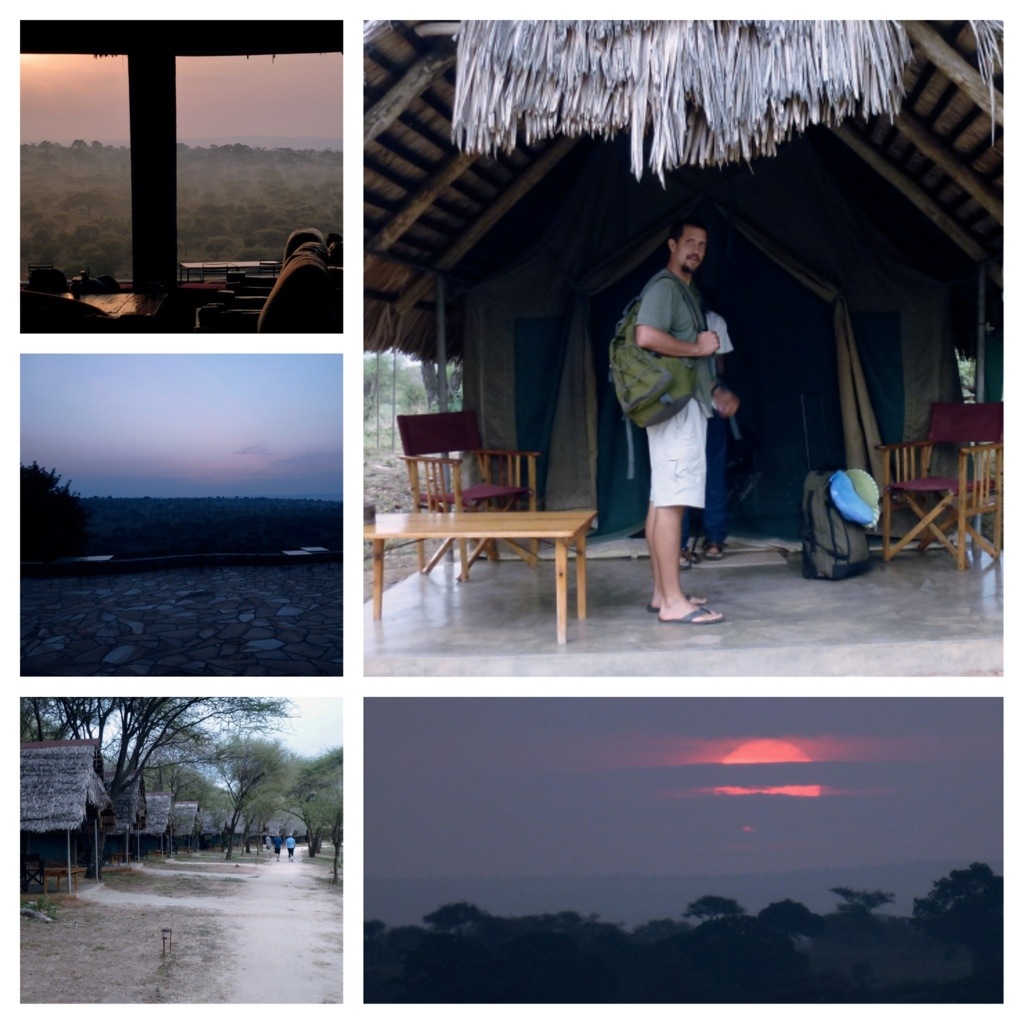
We spent the night at the Tarangire Safari Lodge, which was amazing and by far our favorite thus far. The views from the lounge/ bar/ restaurant area was spectacular! Similar to the Queen Elizabeth Bush Lodge in Uganda, we had to be escorted to and from our room at night because of animals. We saw a lot of birds and monkeys but no big animals at the lodge.

20140218-150014.jpg

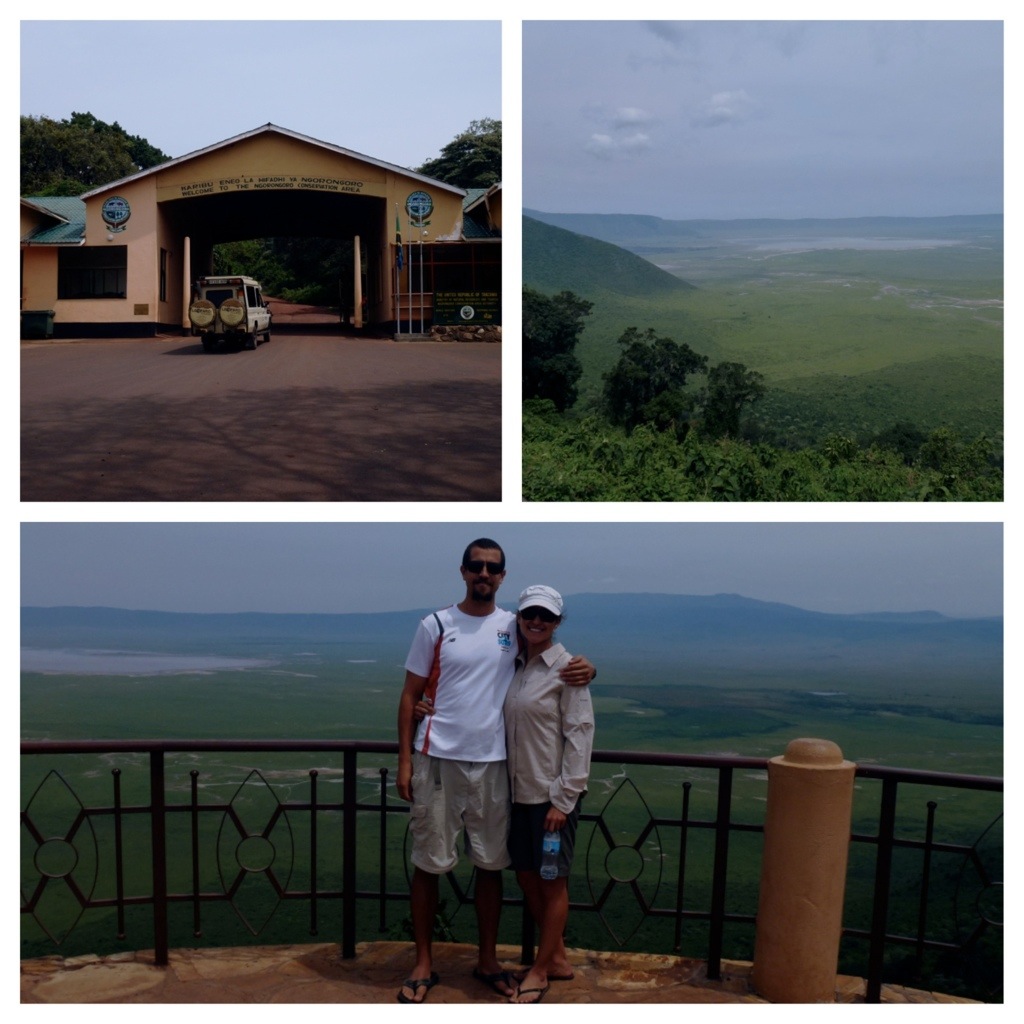
A two hour drive took us to the gates of Ngorongoro Conservation area, at the base of the outside of the crater. While this was not our destination for the day, we did have to drive through to get to where we were going. This gave us a sneak peak of Ngorongoro Crater via a lookout point where we stopped to take a few photos. Absolutely stunning views of the crater which made us excited to drive down in two days. Our first stop was another hour down the road, Oldupai Gorge, home of the earliest recorded human fossils.

20140218-155821.jpg

To get there we drove through some amazing green valleys, and a number of Massai villages. Again, Linds and I were overwhelmed by how traditional they still live. As we got closer to Oldupai the landscape started to open up and flatten out and we started to see more and more zebra, wildebeest, Thompson gazelle, and giraffe.

20140226-141752.jpg

We both found Oldupai Gorge very interesting. There was a museum where we learned about the history and then caught a quick lecture by one of the staff. The main attraction were 2-3 sets of footprints of man, woman and child dated back to 3.6 million years ago. While we couldn’t see the actual footprints (we saw a replica of it), the sight was not far away. The footprints were preserved so well by volcanic ash which can have a chemical reaction, turning to cement. Just before the volcano erupted some 3.6 million year ago, the family walked in the path shown below. In addition to the footprints, this gorge is home to hundreds of other fossils, and is still actively excavated today.

20140218-155731.jpg

We made our way towards Ndutu where we were stayed at the Ndutu Safari Lodge. This was located at the start of the Serengeti and we could see why this translates to “endless plane”. Soon we were completely surrounded by animals as far as the eye could see (which included thousands of wildebeests, zebras and gazelle). This was part of the great migration they go through every year where millions of them follow the rain patterns, literally towards greener pastures. A very cool experience and one of my favorite drives of the trip. Later, we saw another male lion, giraffe, and elephant.

20140226-141716.jpg

20140226-131909.jpg

20140226-131714.jpg

20140226-141723.jpg

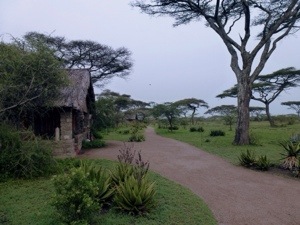
Home was at Ndutu Safari Lodge where we had individual cabin right on the edge of open space. I heard lions roaring early in the morning; although Linds didn’t believe me until two other couples confirmed they heard the noises as well! Very cool experience!

20140226-141912.jpg

20140226-142527.jpg

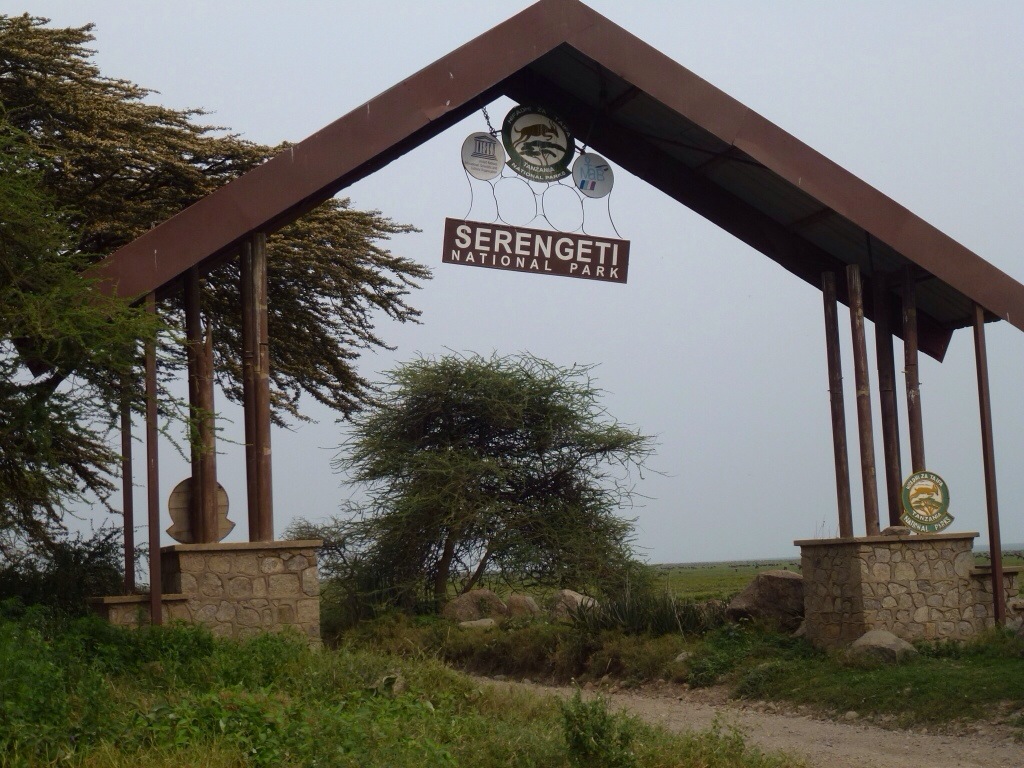
After a quick drive through Ndutu we made our way back onto the plane and into the massive heard. The entrance to Serengeti National park was not too far away where we stopped briefly at the front gate. We made our way to our lodge for the night (primarily so they could start our Mt Meru laundry!). The lodge was very impressive and had the best facilities we have had so far. It was built into the rocks and had a lot of animals around.

20140226-131619.jpg

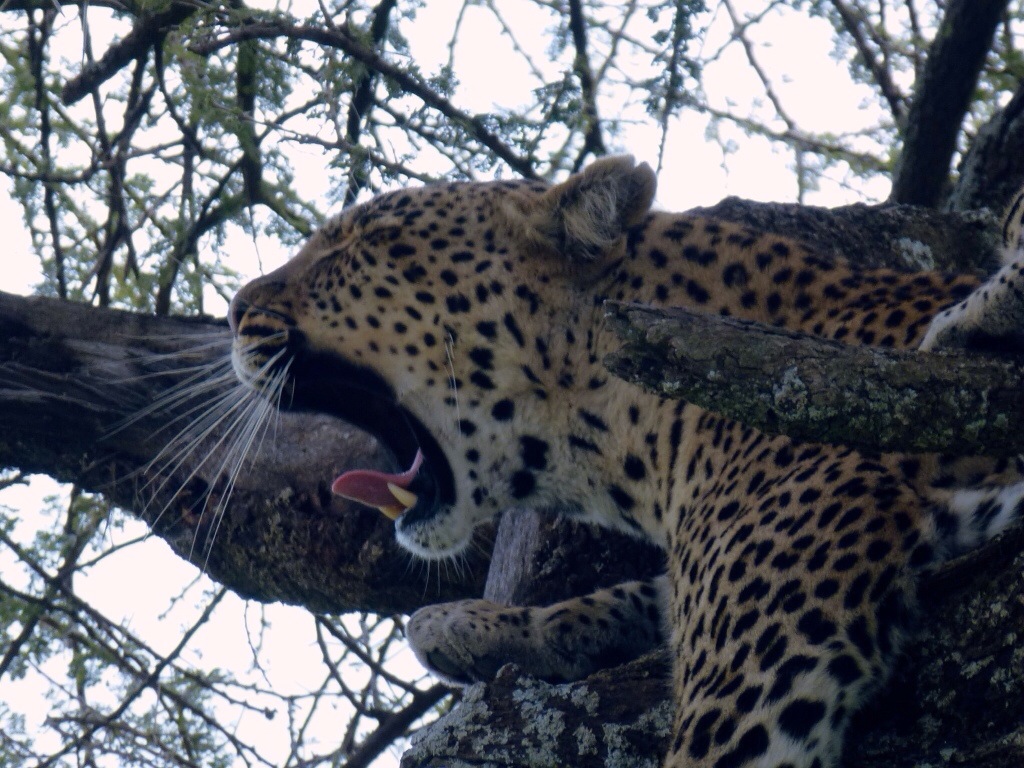
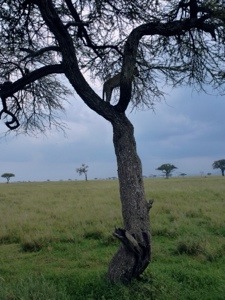
The highlight of the afternoon game drive was a close encounter with a leopard. Isaac got us right under the tree it was sleeping in and we were lucky enough to see it wake up and walk down the tree right in front of us. We were literally feet away and got an awesome video. We saw 3 leopards that day which was very rare we were told. We also saw a cheetah and several more lions.

20140226-132018.jpg

20140226-132043.jpg

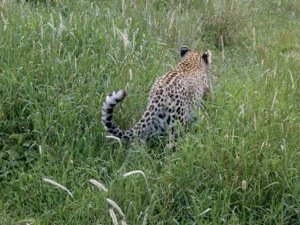
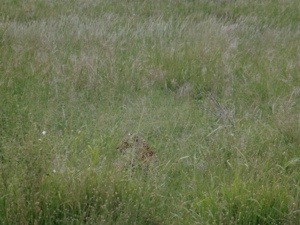
Best part about it – we were able to catch it on video (https://www.youtube.com/watch?v=tMpNX_ZrUl0&feature=youtu.be). One of the most amazing parts was the moment as the leopard was walking away. You could hardly see the shape of their body within a matter of feet, since the leopard blended easily into the grasses of the Serengeti. By the fourth picture, you couldn’t even see him – yet he was only 20 yards away!! Truly amazing!

20140226-132305.jpg

20140226-132317.jpg

20140226-141545.jpg

20140226-141555.jpg

20140226-141609.jpg

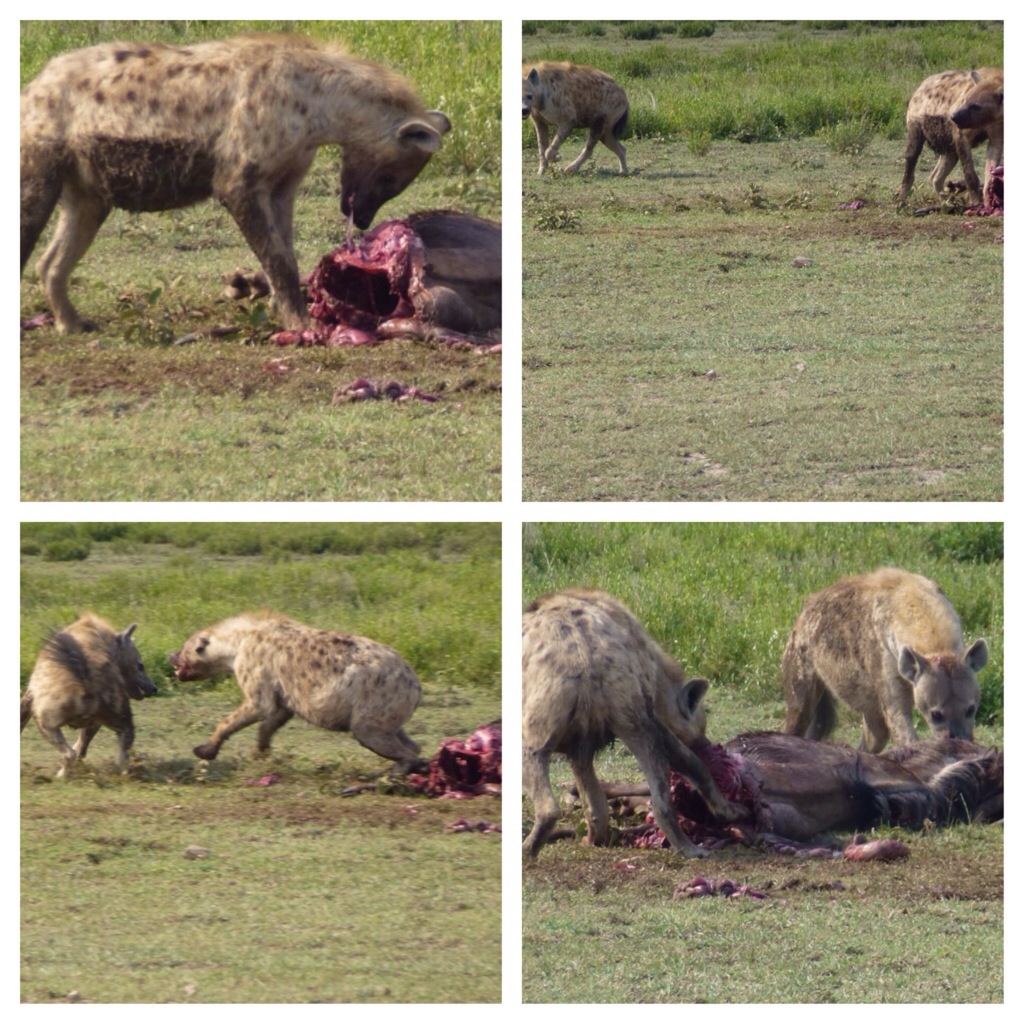
We made our way towards Ngorongoro Crater for our last day of safari. On the way, we saw two hyenas eating a freshly killed wildebeest which was really cool (video: https://www.youtube.com/watch?v=24XdcksOKTU&feature=youtu.be). In terms of beautiful scenery, Ngorongoro was by far both of our favorites! From the top of the crater you can see the perfectly shaped crater and the steep walls that create the bowl.

20140226-194200.jpg

20140226-201225.jpg

20140226-201145.jpg

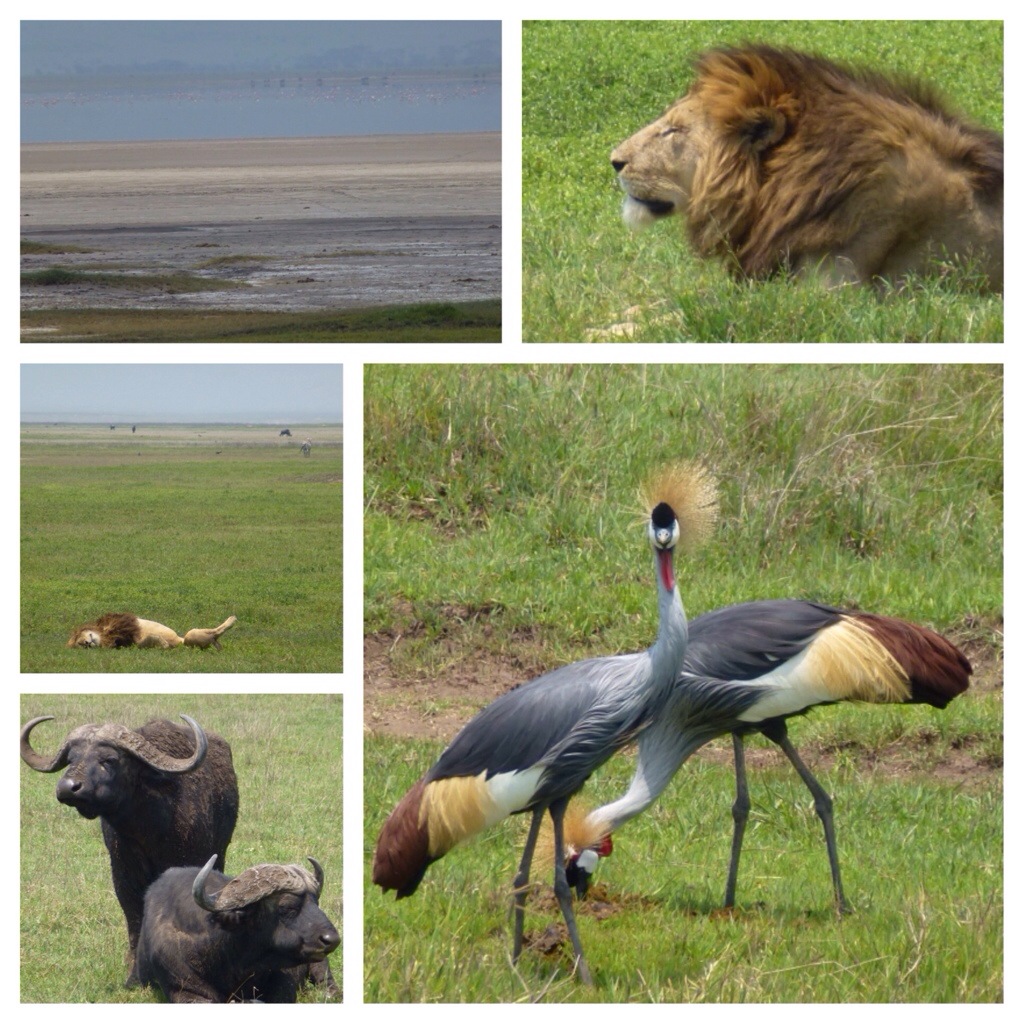
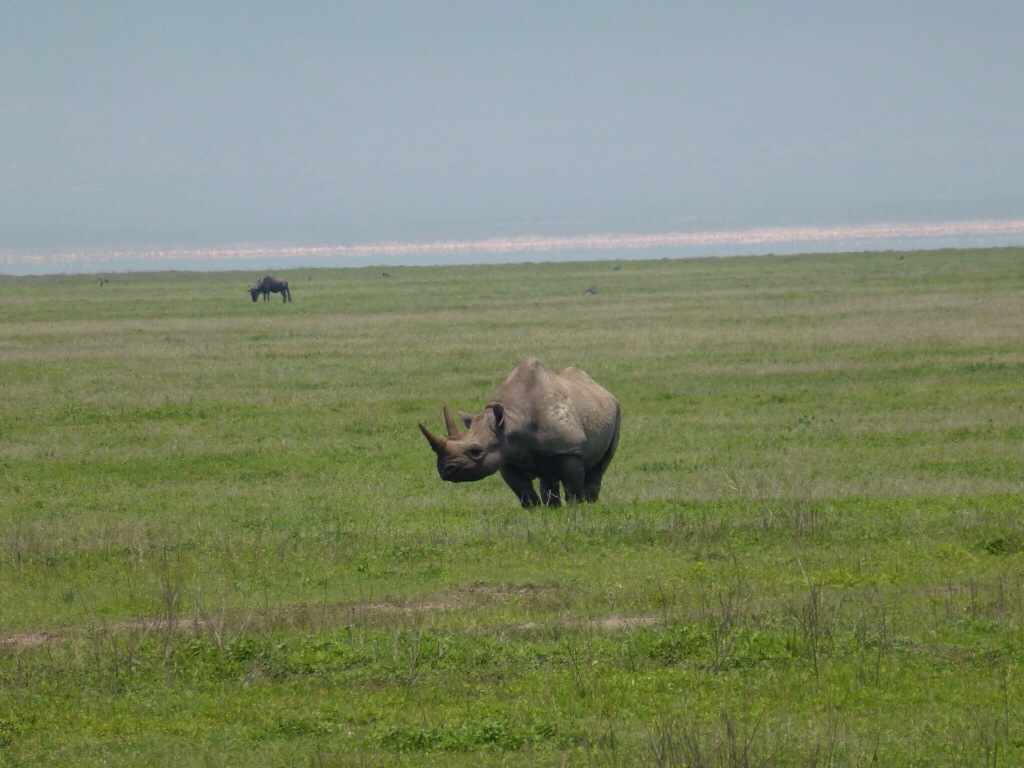
On the crater floor you are surrounded by animals: zebra, lions, elephant, hippos, buffalo, flamingos, and the highlight of the day, rhino. We ended up seeing all of the “African Big Five” – rhino, elephant, buffalo, lion, and leopard. Isaac told us we were very lucky to have even seen one rhino, let alone five! We were able to catch a video (http://youtu.be/dT1INpEqnes) – According to Isaac, this particular rhino was interested in passing the road we were on but could smell that we were there. In other words, a rhino’s vision is very poor but their smell is extremely powerful.

20140226-194237.jpg


20140226-201157.jpg

20140226-201214.jpg


I also got some good pictures of a guy with the biggest camouflage lens I had ever seen. It was hilarious.

20140226-141804.jpg

Mt Meru

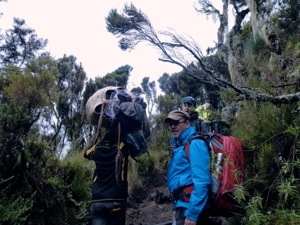
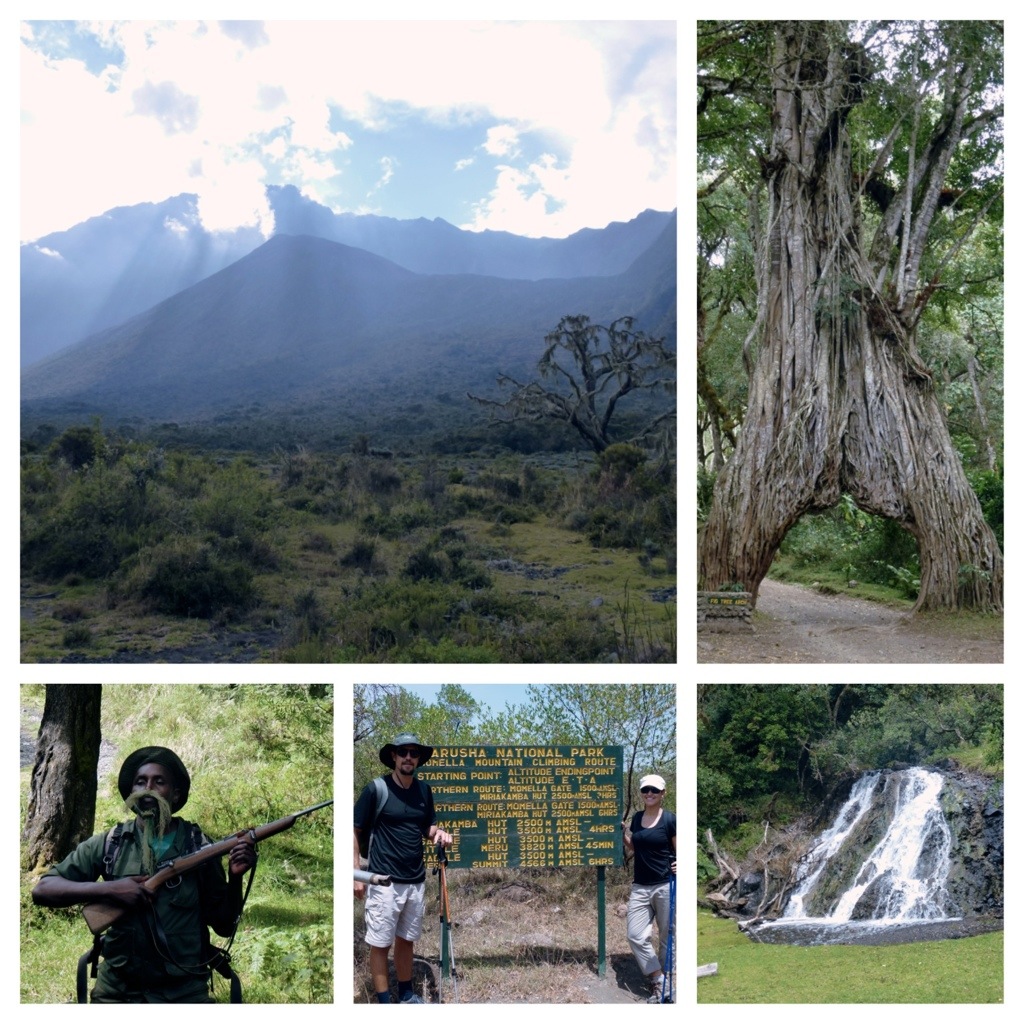
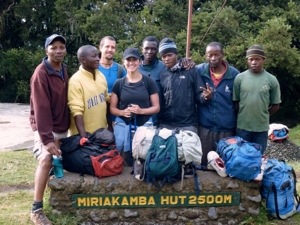
Our guide – DUMA (which means Cheetah in Swahili) – picked us up at the hotel about 9AM. It was the first time we negotiated with our guide to pick us up at a reasonable hour (rather than 5AM). When he arrived, the van was already full with 6 people not including us. It wasn’t until we arrived did we realize those people were coming along to support us. In total, we had our guide (Duma), a cook, a driver, and three others to help carry our items (bags, food, sleeping bags, etc.) as can be seen in the pictures below.

20140214-144902.jpg

The first day of the hike was 14 KM which took us about 5 hours. We would’ve gone faster considering the 14 KM was basically a walking safari, but the armed ranger asked us to kindly slow down since we were hiking with other groups (in total 10 other people). We were able to see buffalo, zebra, giraffe, colobus monkey, blue monkey, bush buck, dik dik, and many others. The surrounding area was beautiful; dense forest trees, green vegetation, mountains, etc.

20140214-144210.jpg

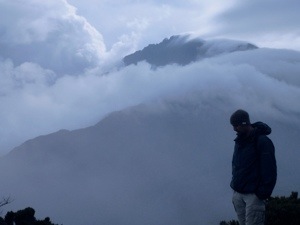
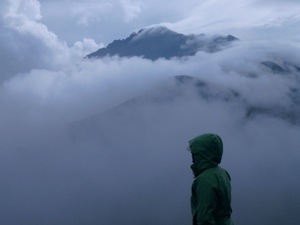
Once we got to around 7,000 feet the vegetation became a bit less dense and green and we could now see the summit. Unfortunately, Kilimanjaro was blocked by clouds and we weren’t able to get a good picture (later – after several days of hiking – we were only able to catch a 5-10 second glimpse of the mountain).

20140214-144812.jpg

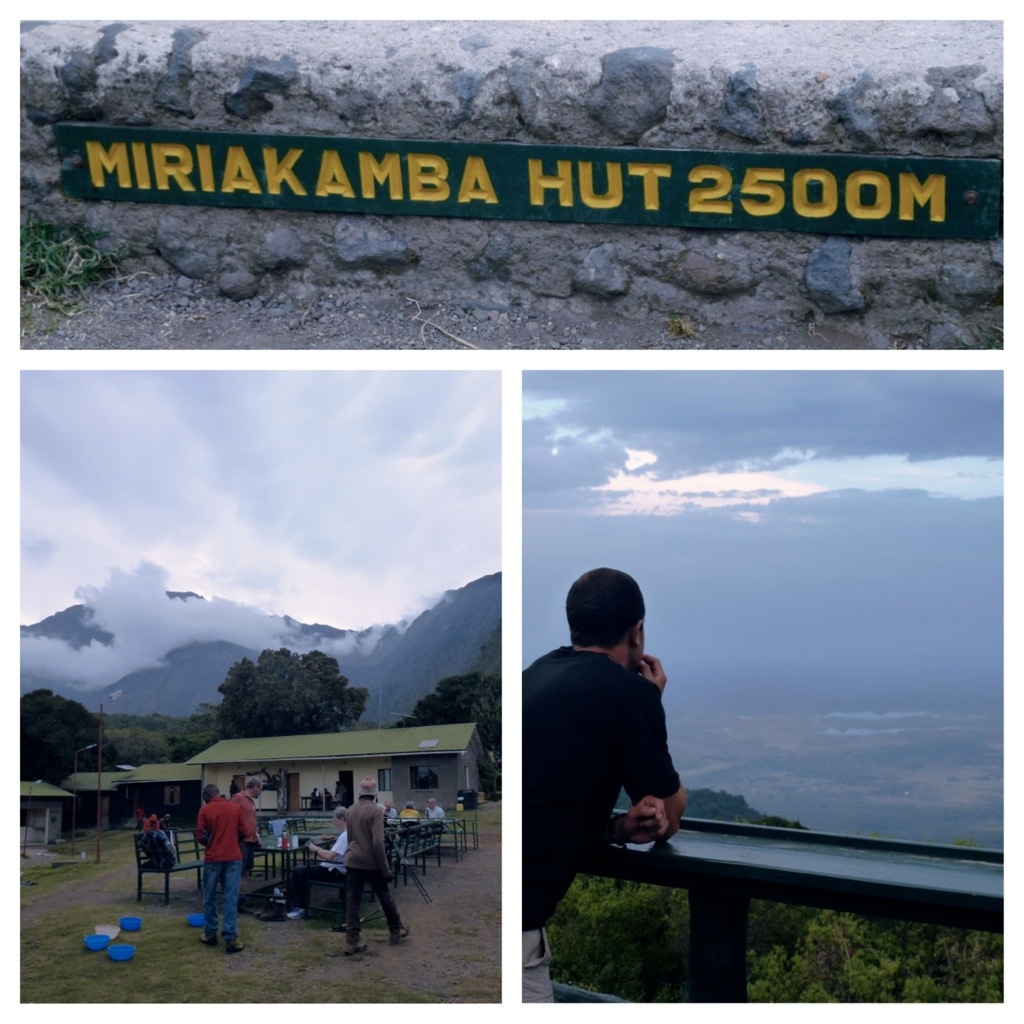
The first camp was pretty impressive; over 100 guests could stay with 4 bunk-beds in each room. It also had bathrooms, a kitchen and dining hall. The ranger had discussed that he’d get us the best room in the hut… Later, we realized he was only kidding. The camp was at about 7,500 feet.

When we arrived we had time to “wash off” (no shower or hot running water) with a wash cloth, then hung out with Duma. The crew then made a really nice meal, soup, tilapia (a very popular dish in Uganda), rice and veggies.

20140214-144723.jpg

After breakfast, we began the trek to camp 2 – a 7KM from 7,500 ft to 10,500 ft which was much steeper than the first hike (same elevation gain but half the distance). We were going along the ridge to the saddle huts, at the saddle between Meru and Little Meru. Unfortunately the sky did not clear up, in fact we just kept hiking further and further into the clouds. Luckily, there was no hard rain like Mt Sabyinyo but the temperature was dropping quickly!

20140214-144742.jpg

20140214-144749.jpg

We made it to the Saddle huts around noon for lunch and I was convinced we could’ve continued onward for the pure reason of staying warm. We were in desperate need of hot water to wash up (as you can see by the picture of me below — attempting to ‘wash up’) and for tea and coffee. As the porters and Duma could tell you, I quickly learned how to say “Warm Water, Please” in Swahili after this hike… “MAJI MOTO TAFADHALI”… Most of the huts had the windows open AND some windows were even broken!! No wonder it was freezing. After lunch, we made our way with a lovely group of Austrians to Little Meru where we were hoping to rise above the clouds to see Kibo (what the locals refer to Mt Kilimanjaro) and Mt Meru. The clouds parted once we made it to the top and we were finally able to see views of the summit.

20140214-162417.jpg

During dinner we discussed our plan for the next day – a wake up call at 2 AM (7KM hike with 3,000 ft of elevation gain) and summit the mountain by sunrise. Due to the cold weather, we tried to snuggle up in the sleeping bags and be in bed by 8:30 PM but failed to get any real sleep. Even worse, by 9 PM we could hear rain beating down on the hut, making it an unlikely departure of 2 AM.

Still at 1:30 AM, the rain was pouring! Our guides informed us that we would wait it out and try again at 6 AM. It was still drizzling at 6 AM, but Duma came in and said “Pack your bags, we are leaving in 10 minutes!” I could not believe he came to this conclusion, considering other groups were contemplating leaving the hut at all. We had a light breakfast (1 hard-boiled egg each and coffee) and hit the trail by 6:50 AM – the first (and at that point, the only) group out the door.

20140214-162343.jpg

20140214-162449.jpg

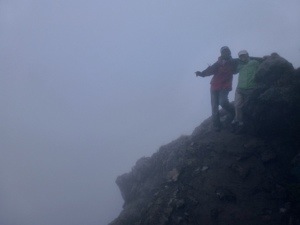
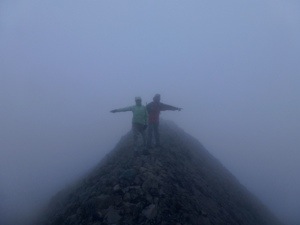
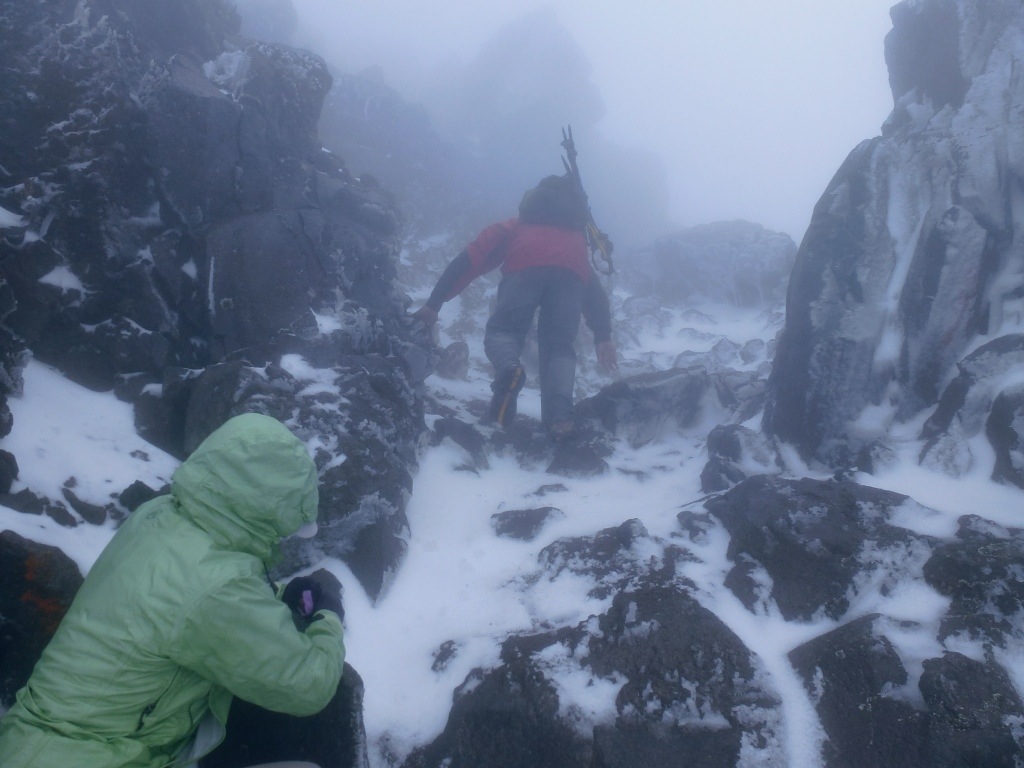
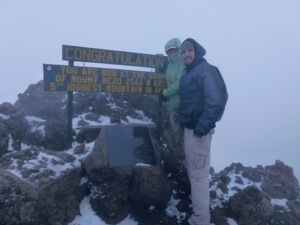
While it wasn’t raining, the clouds and mist were very thick; low visibility and very high winds. Soon we were soaked from all the mist and it was starting to get even more cold. At times the wind was blowing 50-70 mph and towards the top it started to snow. I took a video of Rob and Duma near the top — check it out here: https://www.youtube.com/watch?v=IIrKQkNDJKo&feature=youtu.be.

20140214-162409.jpg

There was a point where I couldn’t feel my pinky fingers at all and had contemplated turning around due to frostbite. We even told Duma we were thinking of turning back and he looked at us like we were crazy, saying we were only 20 minutes from the top. We trudged on and finally made it; ~15,000 feet – The tallest mountain we have ever climbed and, considering the weather conditions, the hardest mountain we have ever done. We even got a few views of the top of Kibo as the clouds blew by!

20140214-162401.jpg

On the way down we passed the other three groups and gave them words of encouragement (and even snagged gloves off the Austrians – which saved my life!). We were happy to hear each group made it. In total, the summit trip took us 6 hours for the 14 km round trip – the fastest group of the day. Even better, Duma said this was the hardest Mt Meru climb he had ever done in the 20 years he has been climbing it!!!

20140214-162424.jpg

The way down was much more pleasant and we enjoyed conversations with the Austrians and Duma. We learned a lot more about the country of Tanzania and Austria (apparently a MUST-SEE — so it could be next on the list of places in the world to visit!!). We couldn’t have asked for a better guide – Duma was amazing and full of knowledge. We would highly recommend him if you ever make the trip to Tanzania and wish to climb Mt Meru or Mt Kilimanjaro.

Until next time, Asante na Kwa heri!

20140214-162438.jpg

Mt Sabyinyo

There are three main volcanoes near the town of Kisoro each between 10,000-13,000 feet high and the volcano that appealed to us the most was Mt Sabyinyo (whose summit marked the border between Uganda, Rwanda and the Congo). Mt Sabyinyo translates to mean “old mans teeth” and was given this name because the mountain had three separate jagged peaks which could look like an old man missing some teeth. Essentially, at the top we could be in three countries at once as well as say we’ve been in the Congo and Rwanda! Despite the 8-10 hour round trip and 4,000 ft elevation gain, we were convinced. This also meant another 5AM wake up call.

20140214-142921.jpg

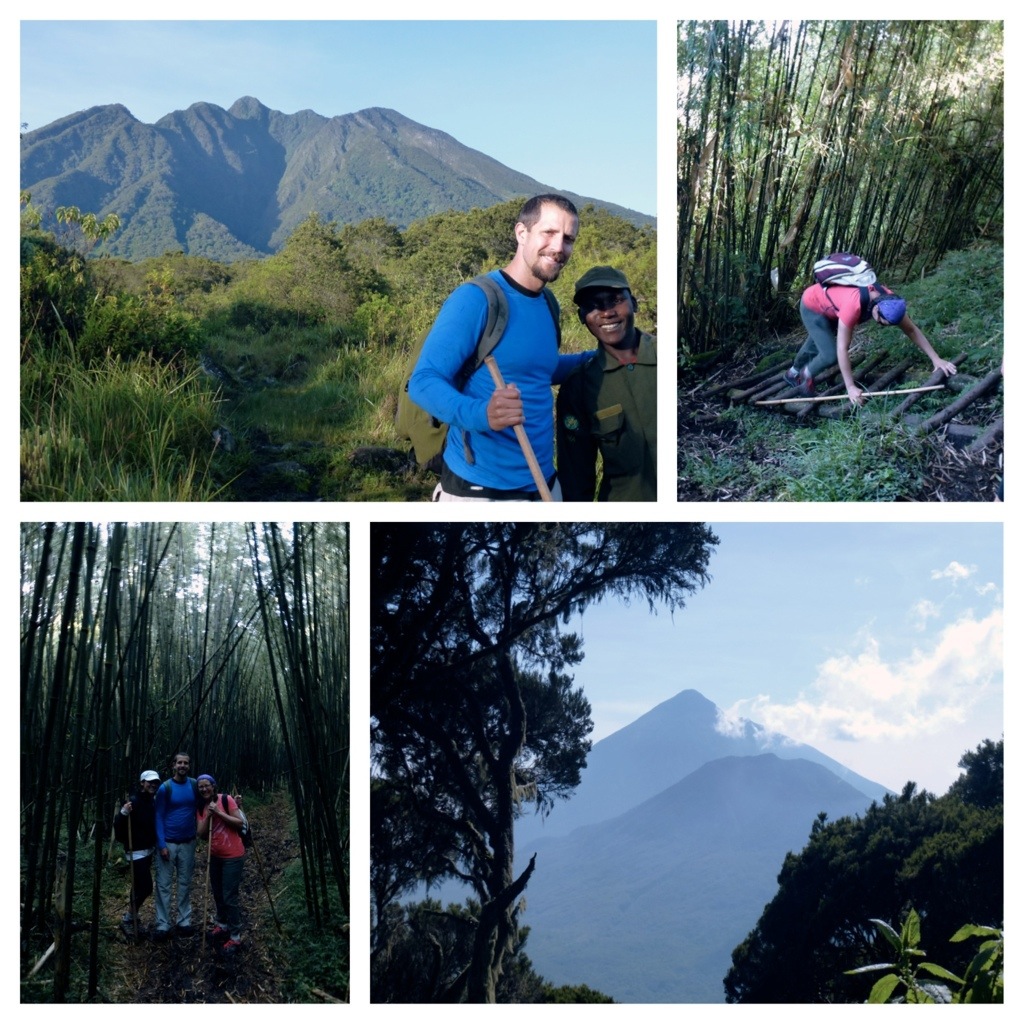
The roads up to the start of the hike were unpaved and extremely rocky, making a 10-minute drive turn into over an hour. By the time we arrived, we were ready to get started! We had two tour guides – Brian and Ellie (our armed security guard). and hit the trail at 7:37 am, knowing we were in for a long hike. The first hour and a half was fairly easy, a slight incline as we made our way to the base of the volcano. The annoying part was making our way through some very swampy areas. The deep muddy water was unavoidable and we had to slowly pick our way through the swamp. The soft ground made it easy to spot elephant and buffalo tracks which were all over the place. Fortunately, Ellie didn’t have to use his gun as we only heard the animals but did not see any. Below are pictures of our first glimpse of the Congo and Rwanda.

20140214-142943.jpg

20140214-142951.jpg

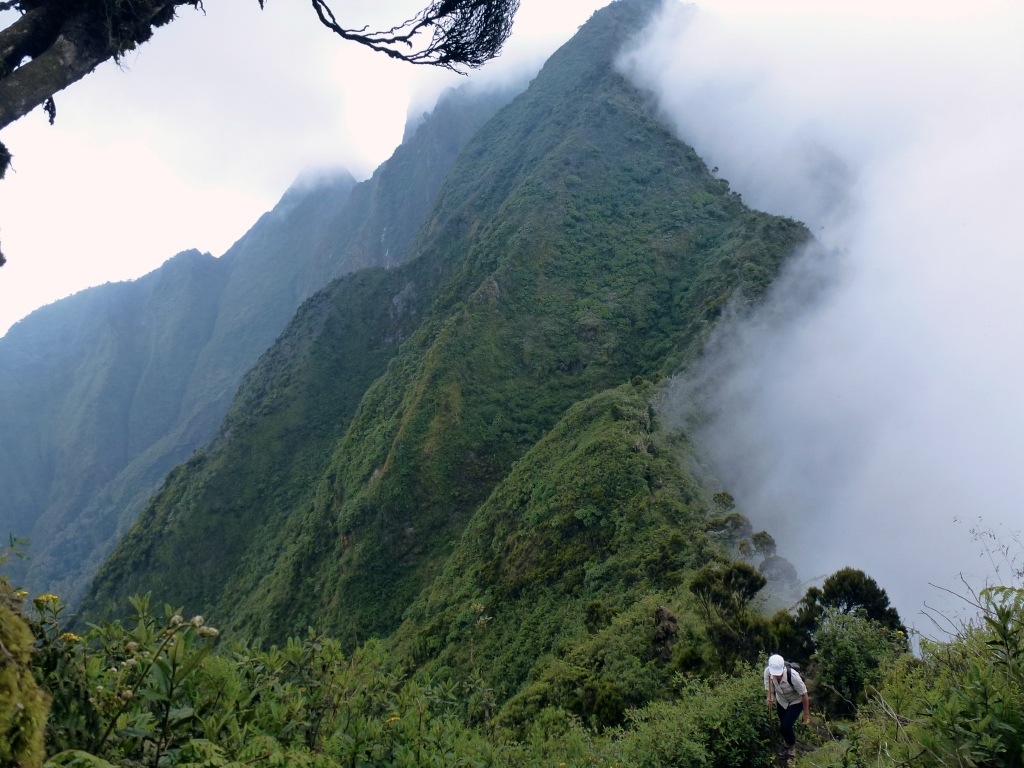
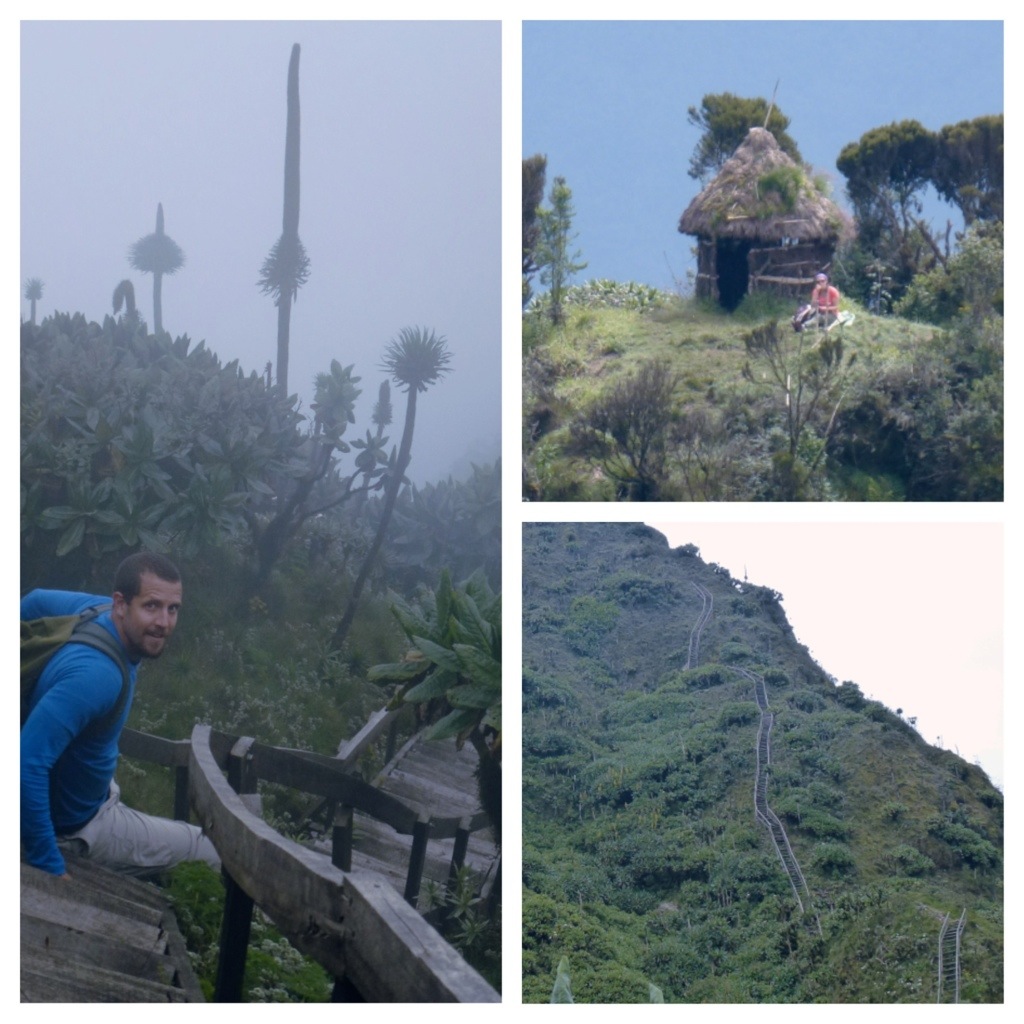
The lower part of the hike had some amazing dense bamboo forests. Once at the base of the volcano we were told things were about to get more difficult and we could see why. The trail now was going pretty much straight up, along a ridge that will take us to the first peak. It was about an hour and a half to the summit of the first peak and we probably gained 2,000 feet in elevation… At the top we could see the next two summits and could see the ladders that you had to climb to reach peak three (see pictures below). Along the way we had already used some of these ladders which were built out of sticks to help with steep sections. Peak 3 was pretty much all ladders since we had to go straight up to reach the top. This part was very scary for both of us.

20140214-142933.jpg

20140214-143011.jpg

While we were never that high off the ground, the ladders were built on a very narrow ridge with 1,000 foot drop offs on either side. To make things worse a few of the ladder steps were loose and would move just a little bit. Very unnerving considering the height. We made it to the top of peak 3 with our guide Brian at around 11:50 pm. My mom stayed back at Peak 1, she was very tired and was not up for the ladders and wisely stayed back with Ellie. It was one of the scariest things we have ever done.

20140214-143004.jpg

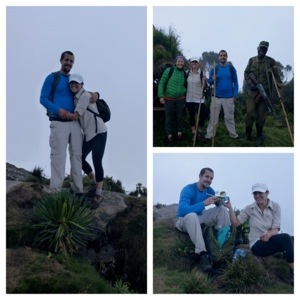
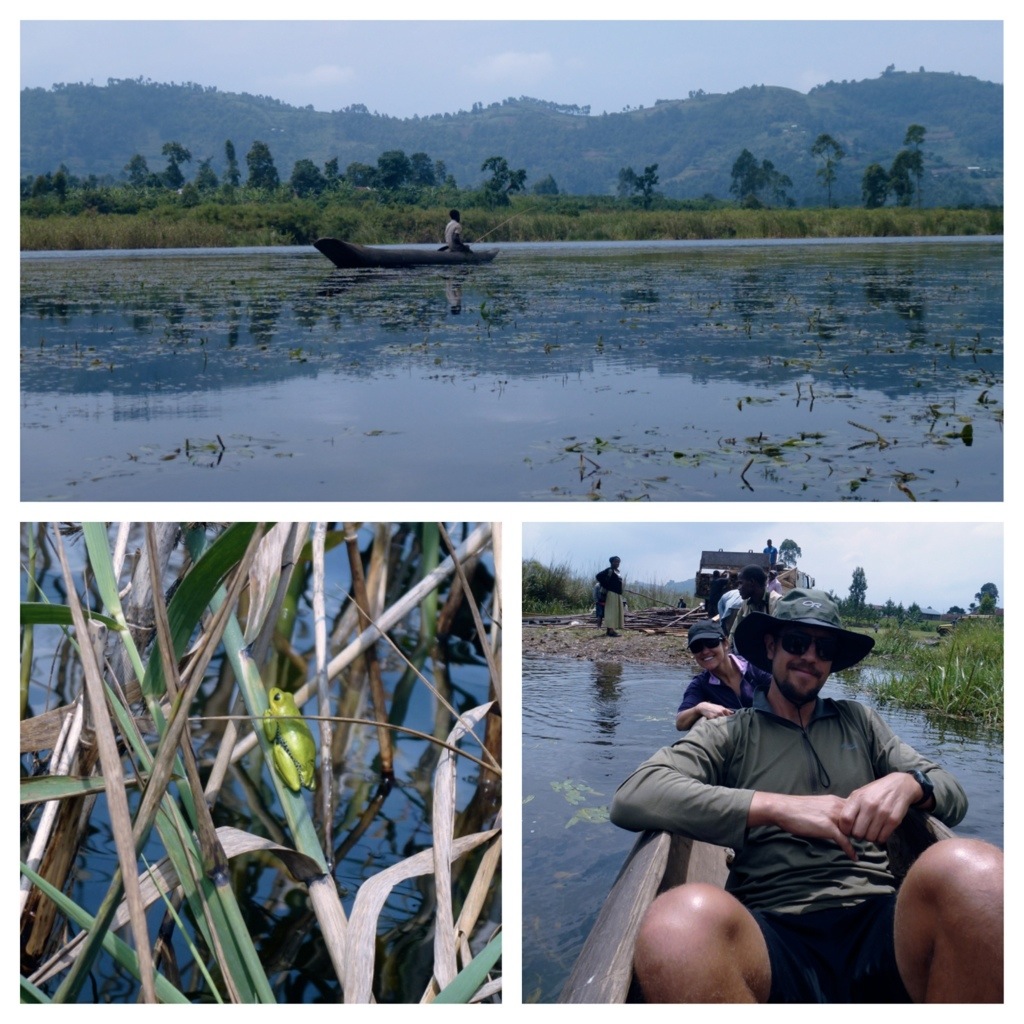
At the top, we made sure to spend some time in each country and even had lunch in the Congo (hey! Now we can say we have been to Rwanda and the DRC!). We had great views looking out towards Rwanda but clouds had rolled in blocking our views of the Congo. Brian thought it was best that we start the hike down given the cloud coverage and his prediction turned out to be true. For 2 hours, we were pummeled by one of the biggest downpours I have ever seen. Soon the trail turned into a river and every inch of us was soaked. We even had hail, painful enough that we had to keep any bare skin protected. Unfortunately, this slowed our pace down and we didn’t make it back to the car until 4:10 pm, 8.5 hours in total and soaking wet. Still, it was one of the most rewarding mountains we’ve climbed. It was physically demanding, 8.5 hours, 4,000 ft elevation gain, and submitted 5 peaks in total. As I said, climbing those ladders was one of the scariest things we’ve done but it was worth it to see the amazing views and check two more countries off the list. We also had a great time with our guides, Brian and Ellie. Two very nice guys which really made the trip more enjoyable. We had never been more excited for a warm shower and decided not to climb another volcano the next day. Especially with our plan to watch the Super Bowl at 2:30 am which is all I will say about the Super Bowl. The next day we were exhausted and enjoyed a lovely afternoon on the lake — where our guides were canoeing and we were relaxing!

20140214-143019.jpg

We loved Kisoro – wonderful little town in Uganda.

At this stage of our trip, 5AM wake up calls were becoming the norm. Today, after only two hours spent in the car, we arrived at Biwindi National Park for the gorilla trek. The drive to the visitor center was rough but took us through spectacular scenery (very similar to the road that took us to Kisoro); very steep drop offs, big mountains and lush green rainforest. It was amazing to see how much of the mountainside the locals are able to farm. Even on the steepest slopes, they have crops planted to the top. This area also gets very misty in the morning so we can see where the term “gorillas in the mist” came from.

20140214-143254.jpg

Neither of us really knew what to expect for the gorilla trek. All what we were told was (1) it could take up to 8 hours to find them and (2) to bring a rain jacket. I (Rob) thought we would be in a big group and only see them from a long distance, but what ended up happening was the 30+ trekkers were broken up into 4 groups. Each group had a guide and a security guard with an AK47. The reason for the gun was to protect us from other animals, including elephants and buffalo which are known to charge at times. Even the gorillas could be unpredictable. It turns out each group hikes to their own family of gorillas (which is about 10 gorillas per family and up to 20 gorillas). Each family has 2-3 people following them on a daily basis to ensure the trekkers are able to see them.

20140204-133057.jpg

20140204-133036.jpg

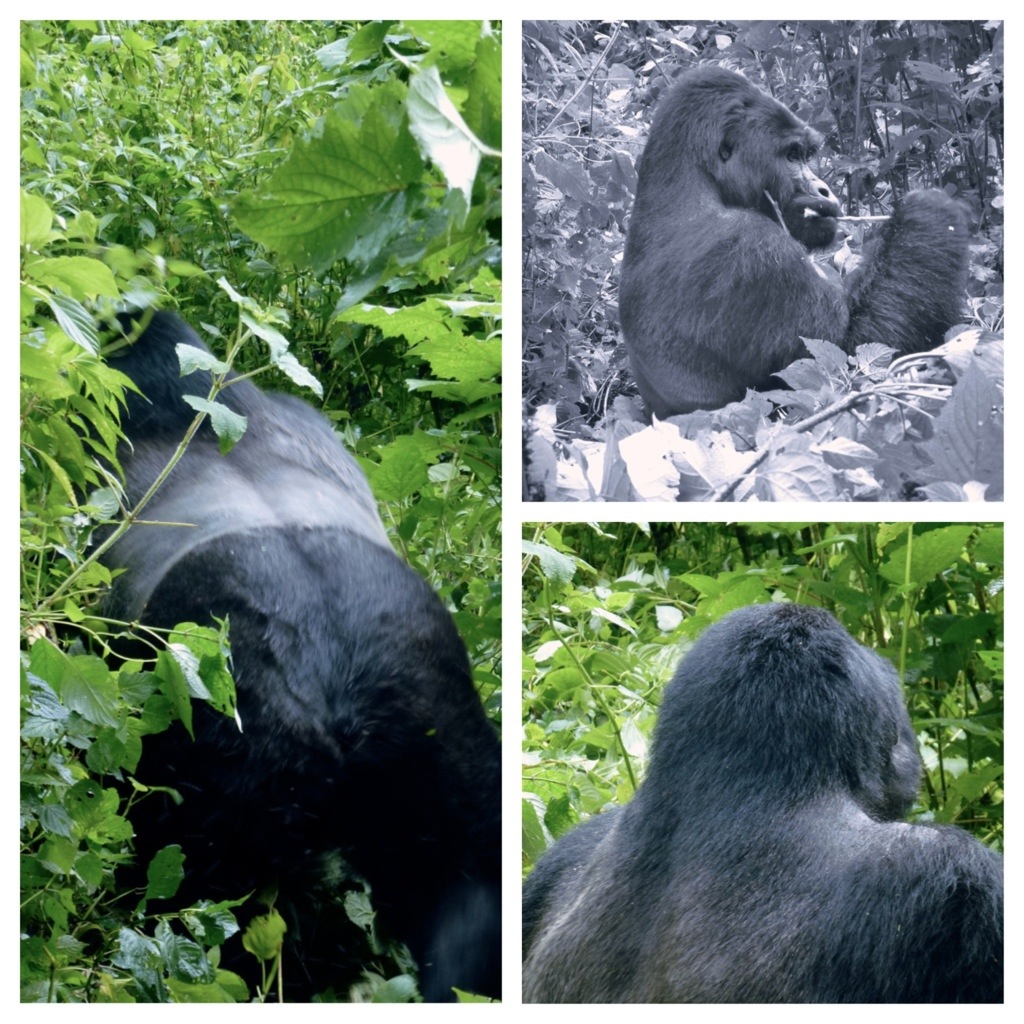
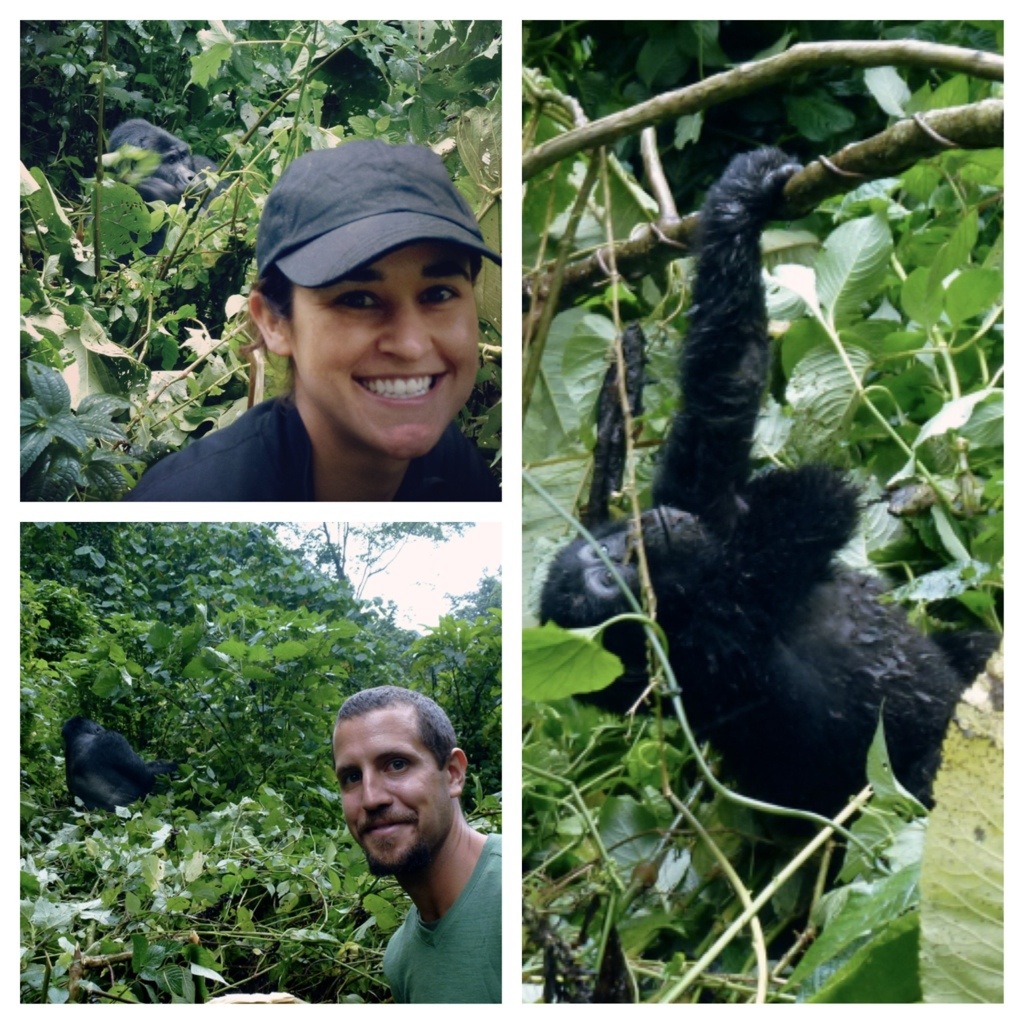
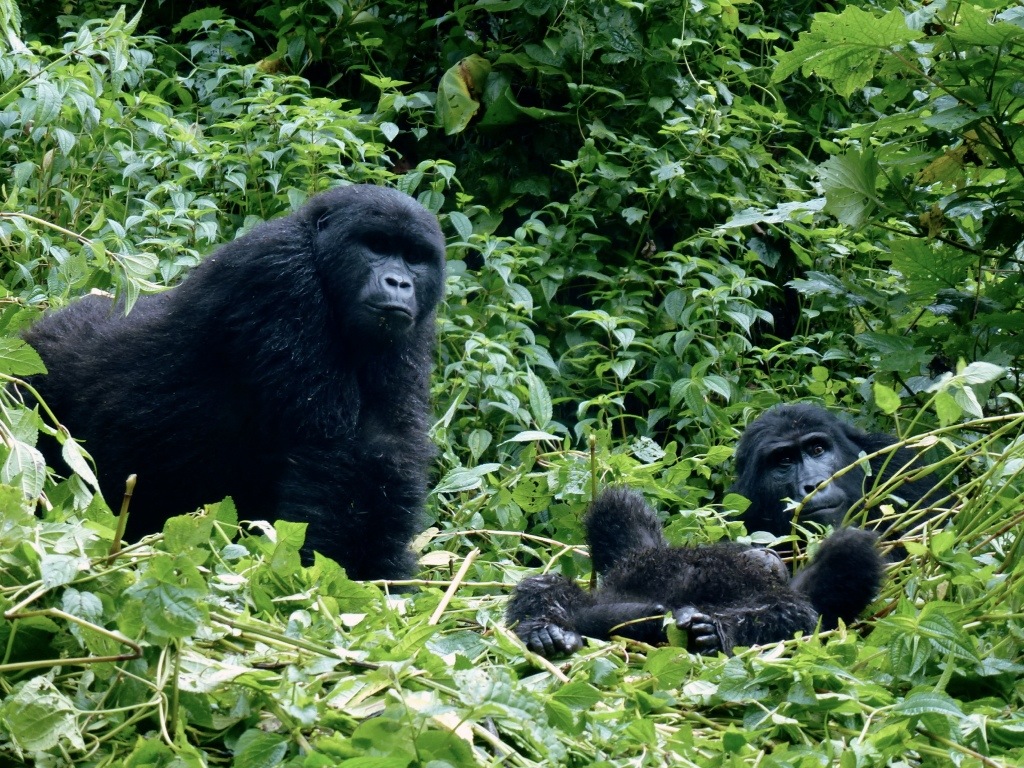
So our group of 10 (including 2 guides) set off to go find our family of gorillas (interestingly, we found out later how many locals know the gorilla families and asked us which family we were following). Most of the hike was along a pretty nice trail through the rainforest. After about an hour our guide received word of where exactly the gorilla were located. This meant bush-whacking time. Our guides used big knife to start blazing a trail through the rainforest towards the location of the gorillas as we slowly followed behind, slipping and sliding down a steep embankment. Twenty minutes later, we saw our first silver back (a.k.a. THE KING OF THE JUNGLE). I couldn’t believe how close we could get!!

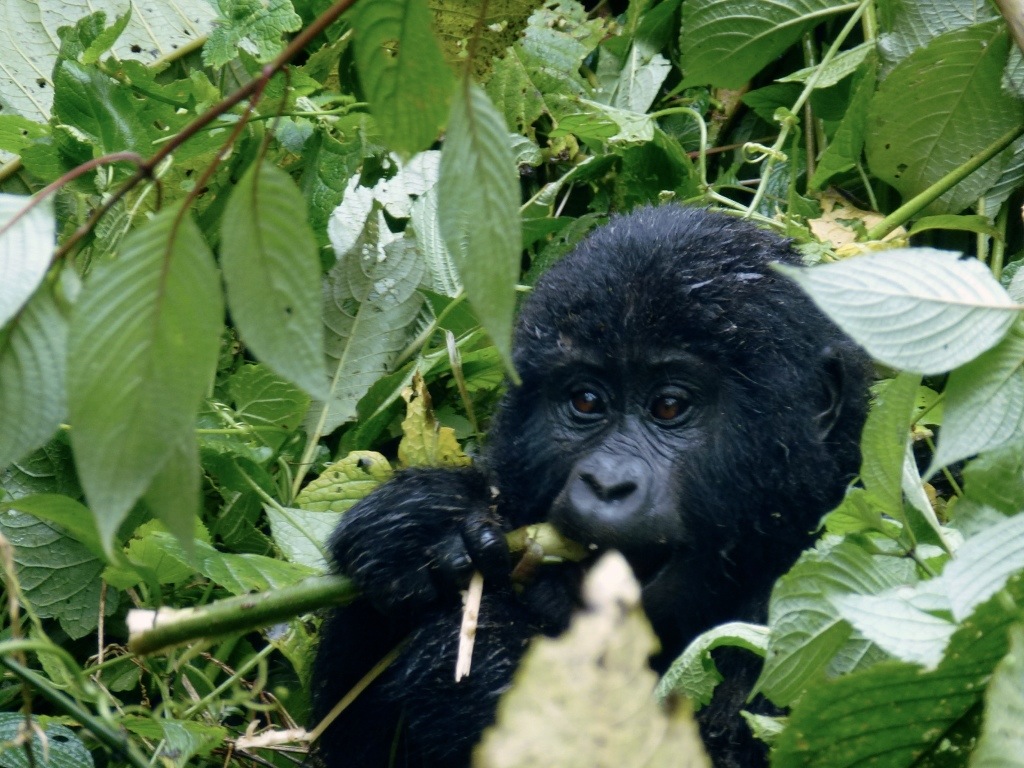
We got some amazing pictures and had over an hour with the wild gorillas. Even better, our guides said we were lucky to have such good views and were able to get so close. An amazing experience to say the least.

20140204-132353.jpg

20140204-132313.jpg

I found all this Gorilla information just fascinating. We learned a vast array of info from Gorilla Tours including:
– About 98% of the Gorilla DNA is equal to man
– The word “Gorilla” means “a tribe of hairy women” or “hairy person” (in Greek)
– Four gorilla species exist today: (1) Western lowland (2) Cross river (3) Eastern lowland (4) Virunga and (5) Bwindi (we saw the Bwindi Gorillas where there are ~400 animals)
– Groups are built around one dominant silverback and groups consist of an average of 12 animals and up to 40

Male Gorillas:
– Males are considered adults between 12 and 14 or at the point at which their silverback has matured (i.e. gray air on their backs)
– Sweat glands are located in the armpits and in times of stress, the males have a strong body odor
– The dominate male decides when the group should eat, sleep or rest and when to break up. He also has exclusive rights on mating
– If a silverback takes over the leadership of a group, it may take several months before the other group members accept his as the dominant silverback
– All gorillas will beat their chests when greatly excited; however the chest-beating of males is most used to impress, intimidate and test the strength of the opponent
– Male life expectancy is 26 years old

20140204-132334.jpg

Female Gorillas:
– Females are considered adults at the age of 8 and don’t have children until 10
– At birth, males and females weight about 2 lbs and females breast feed their offspring for the first 36-months of life
– A female will be fertile for an average of 14 years, producing 5 young in her lifetime
– During the first 4-5 months of the young’s life, there is 100% contact with the mother. It’s not until 1 year that the young will increase its independence
– Females will usually change groups a couple of times during their lifetime and the dominate silverback of the group may try to prevent this from happening.
– The bond between the mother and daughter is close (unlike other females within a group) and the urge to be with a mate who offers her protection is deeply rooted
– Older females in terms of status directly stand below the dominant silverback
– Female life expectancy is between 25 and 35 years old

20140204-132342.jpg

Lifestyle:
– Gorillas benefit from feeling comfortable and safe within the group
– Physical contact between the different group members is very important for their survival. Some research has shown that those who are kicked out of their group can become depressed and as a result they stop eating and could get sick and die
Sleep:
– Lighter females will typically sleep in the trees while the males will sleep on the ground
Food:
– Primarily herbivores but also eat fruit, insects and dead wood (due to the sodium content). This includes bamboo shoots and will also depend on the seasons (i.e. the Bwindi gorilla east more fruit since it’s more readily available than the Virunge gorilla)
– Due to their large and long intestines, they need to eat large amounts of food per day (upwards of 20kg per day!)
Communication:
– Gorillas use visual (body and facial expressions) and vocal communication
– Vocal communication consist of 25 different sounds including roaring, hooting, giggling, barking and growling

African Safari

20140211-075509.jpg

We entire drive towards Queen Elizabeth National Park was very pretty with lush green rolling hills and gorgeous houses (surprisingly)! We saw several huge tea plantations which were also beautiful. As we approached the park, we saw elephants off the road.

20140205-093532.jpg

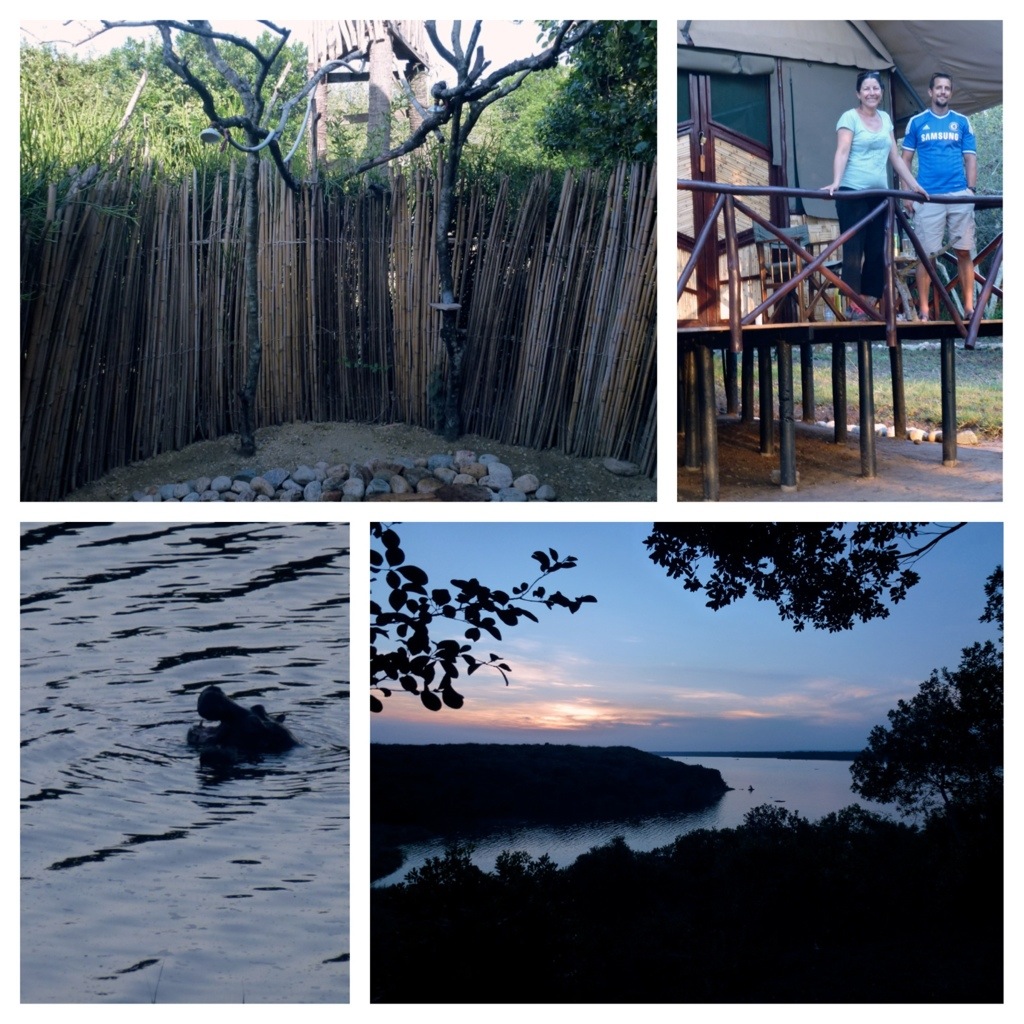
The bush lodge was pretty awesome and a step up from what we had experienced in Makondo; individual huts with screen walls and all over looked the river full of hippos. Can you imagine? We were able to see hippos from our balcony!! You could hear them splashing and making a barking noise all night. We were told not to leave the hut after dark unless we had a guide. The hippos and buffalo walk through the huts at night and can be dangerous.

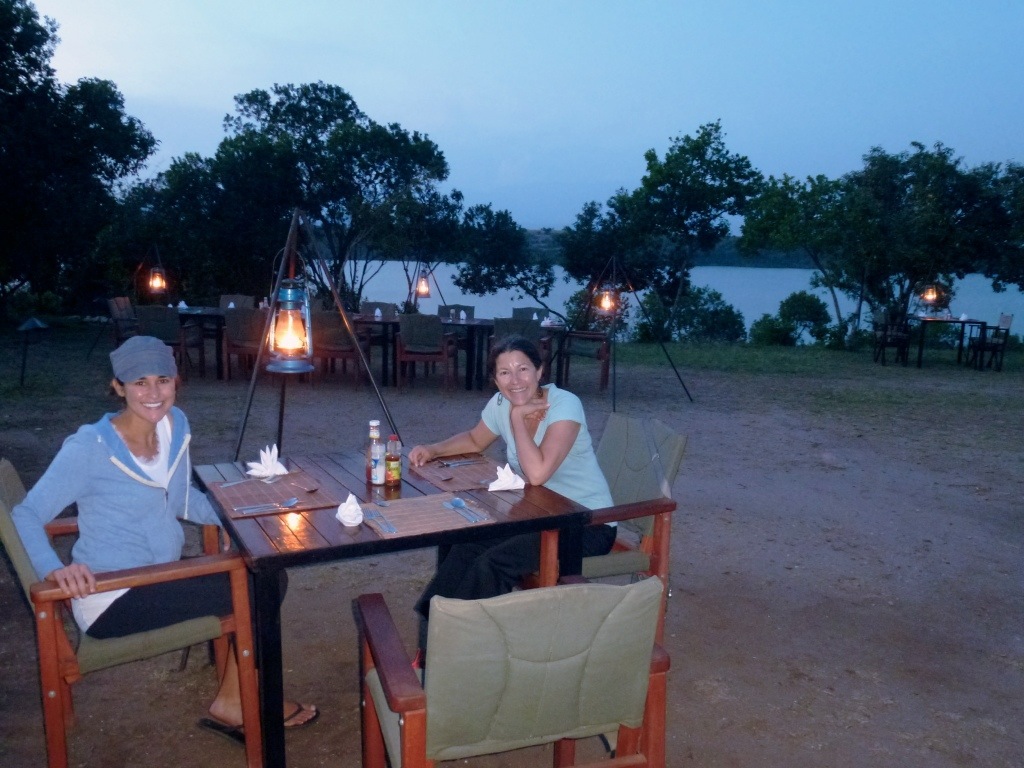
We had dinner under the stars and by a campfire – just an amazing setting with a 4 course meal with lamb chops for the main. Stunning place to stay for a few nights!

20140204-162950.jpg

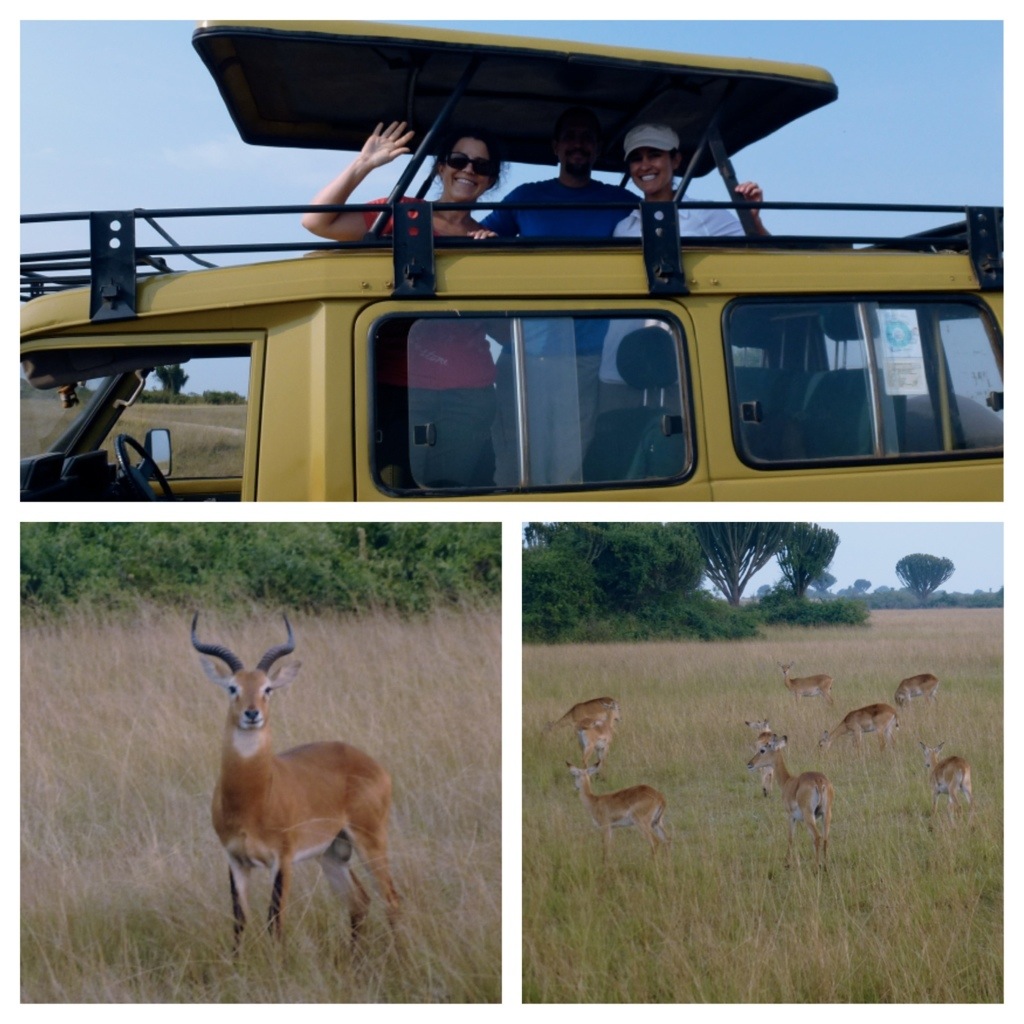
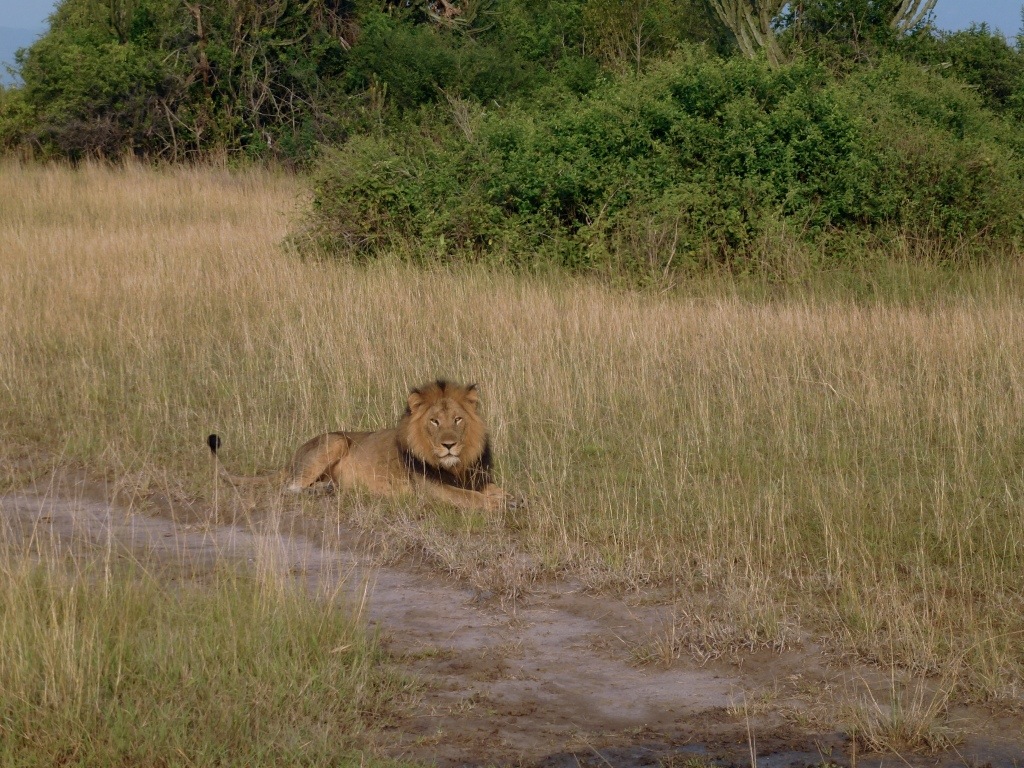
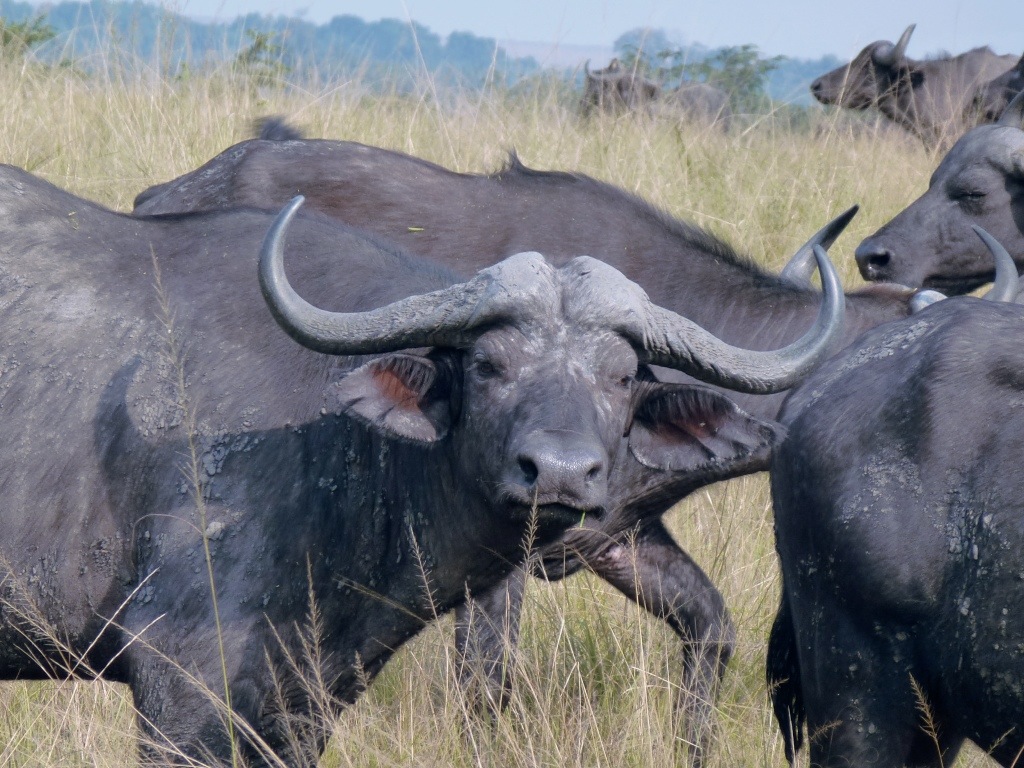
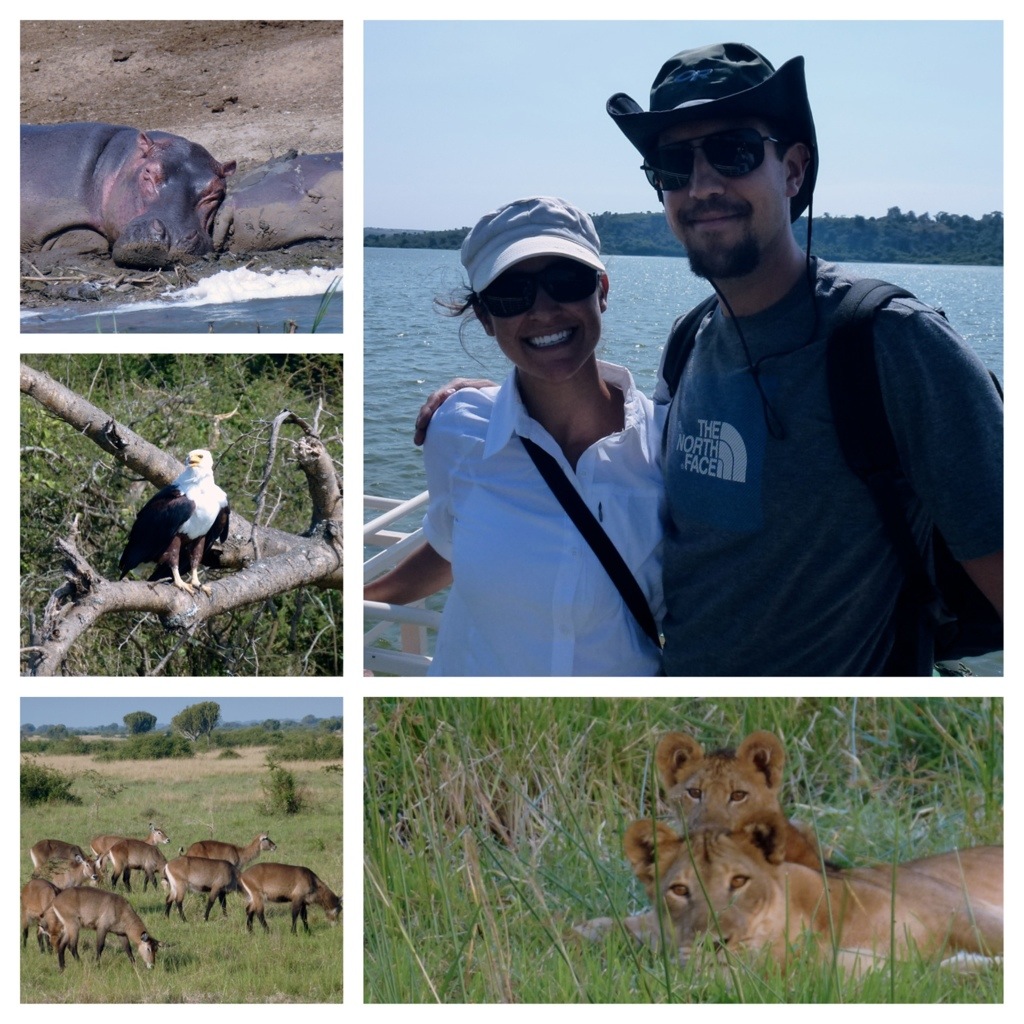
The highlight of the morning safari was a lone make lion that we were able to get really close to. We took a boat cruise for part of the day that got us really close to tons of hippos, water buffalo, crocs, and many different kinds of birds. From the boat safari, our driver (Francis) picked us up from the boat safari and took us directly to or evening game drive.

20140204-163522.jpg

20140204-163709.jpg

20140211-075612.jpg

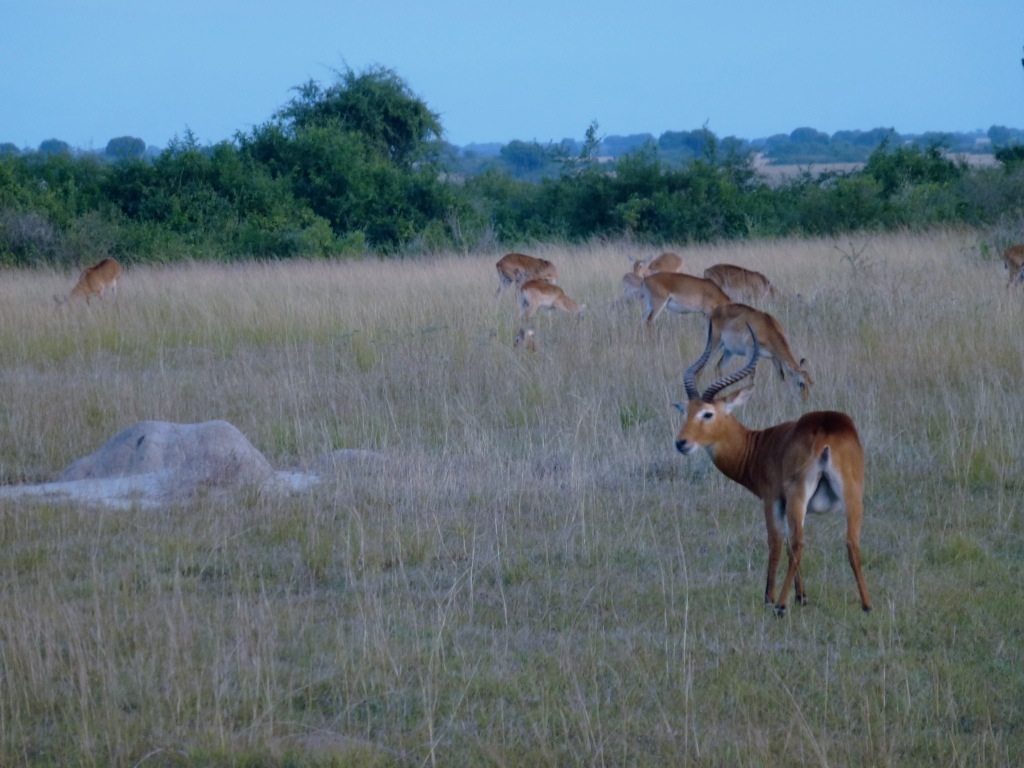
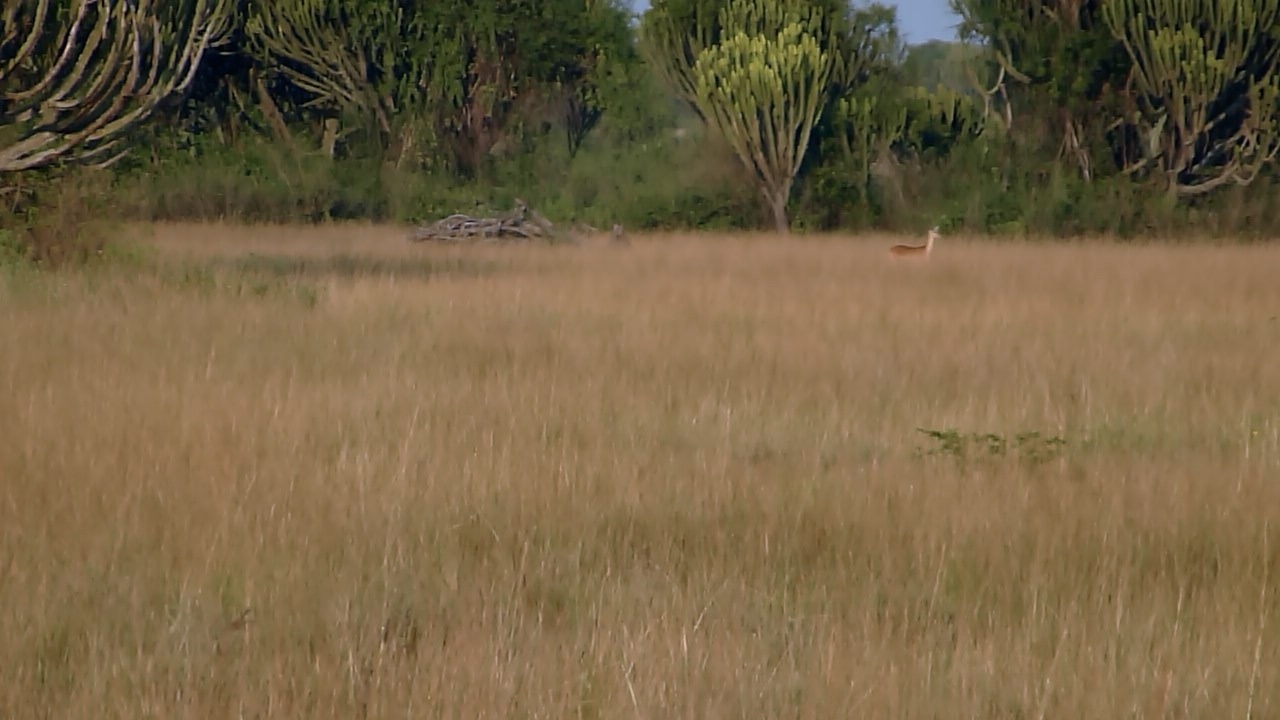
The goal was simple, more lions. We drove back to the spot where we saw the lone male and spotted a kob that appeared to be under distress. Its ears were perked up and for some reason it kept sprinting away (Francis told us this was a sign that a lion or leopard was nearby). Both my mom and our driver agreed that something was wrong (check out the video here: https://www.youtube.com/watch?v=HgTvdupwsG8&feature=youtu.be).

20140211-075422.jpg

20140211-080017.jpg

20140211-080138.jpg

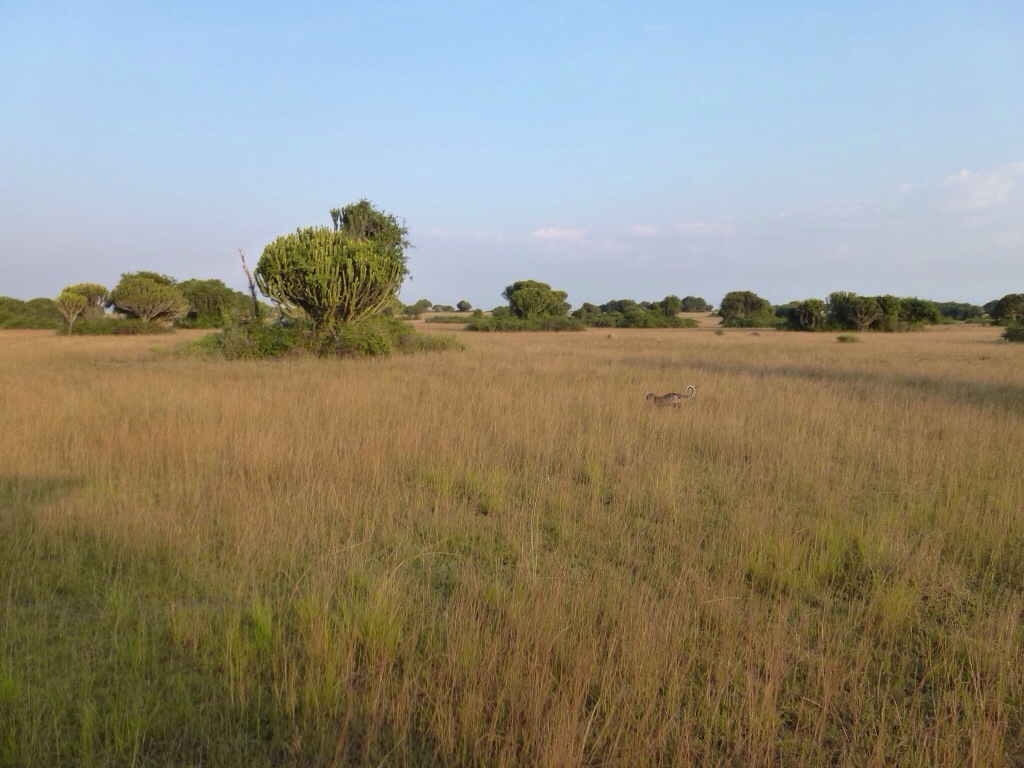
Francis took the land rover off road (which can be an $150 fine if caught) to see if we could find what was bothering the kob. After driving around for a few minutes a leopard popped out from a bush right in front of us! It ran in front for a bit before going into a huge bush where it remained. Leopards are pretty rare and according to Francis, he has only seen them once or twice per year. We were lucky because Linds did a great job in getting a picture during all the panic (AND with a point-n-shoot!).

20140211-075554.jpg

20140222-060421.jpg

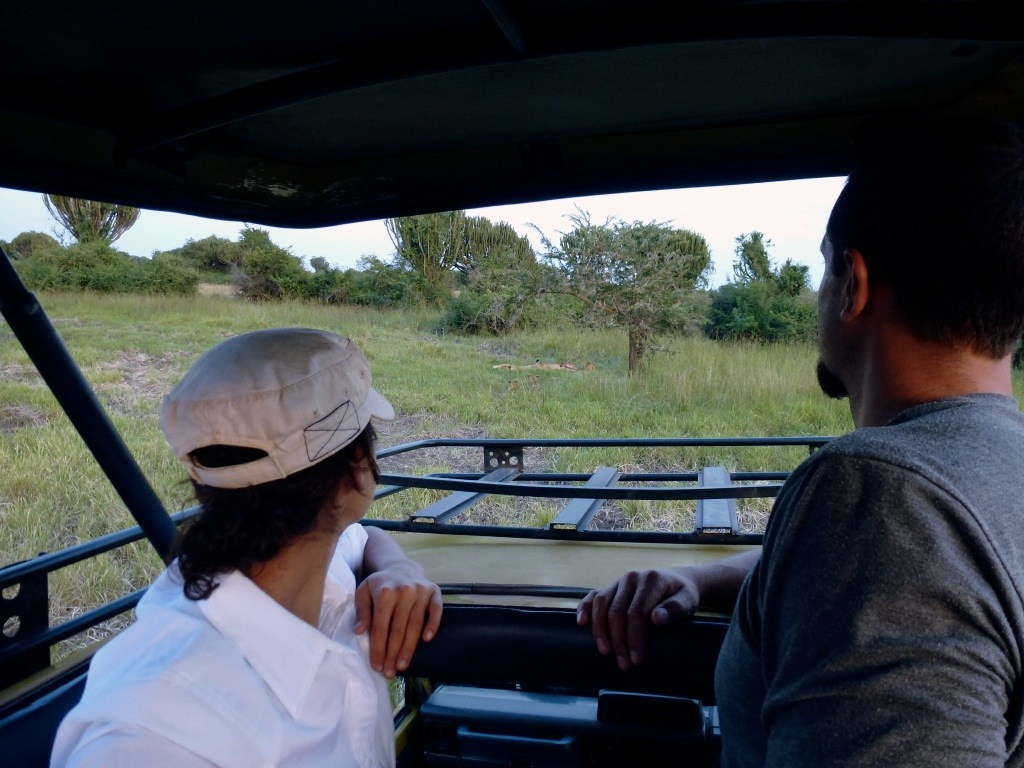
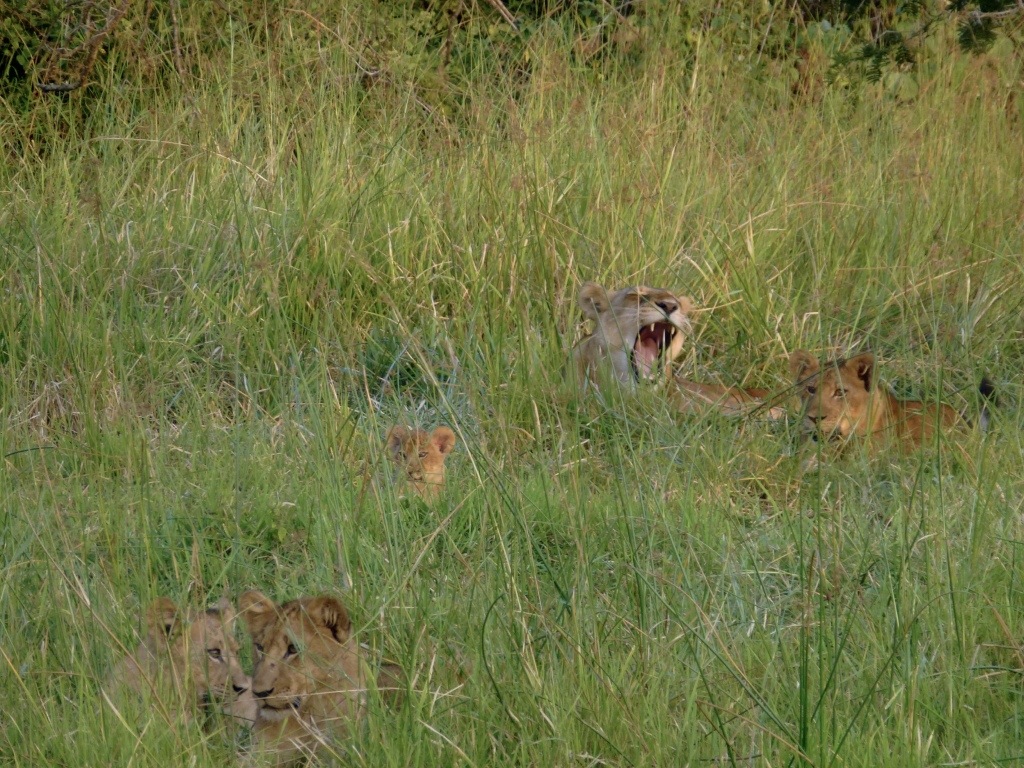
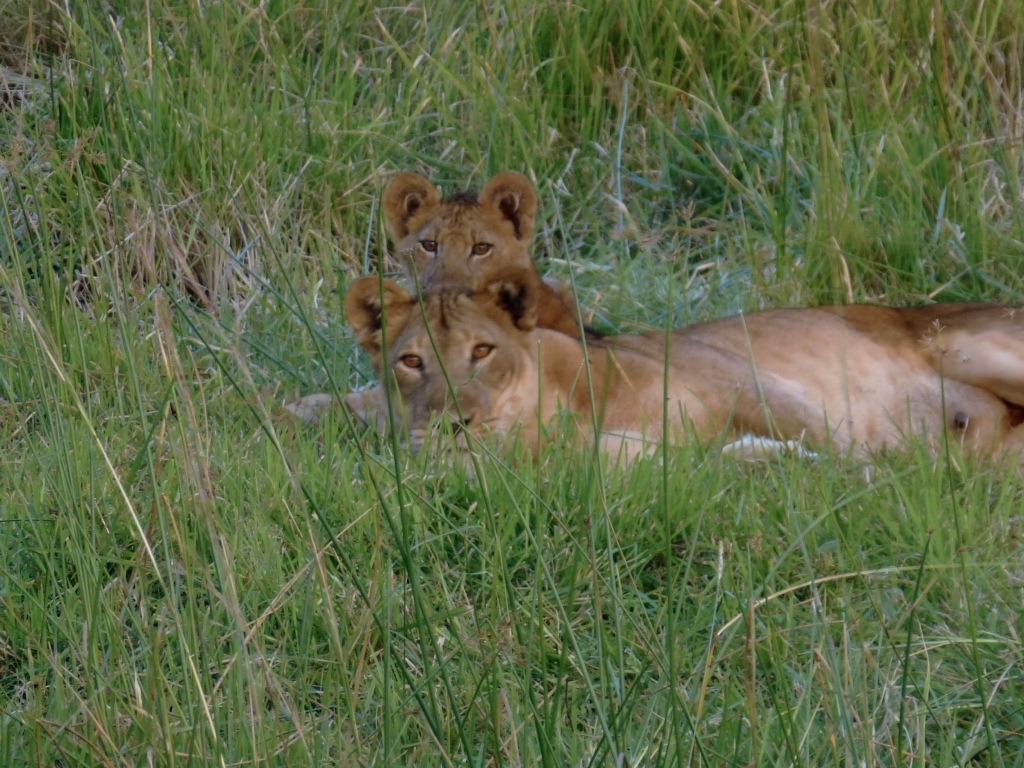
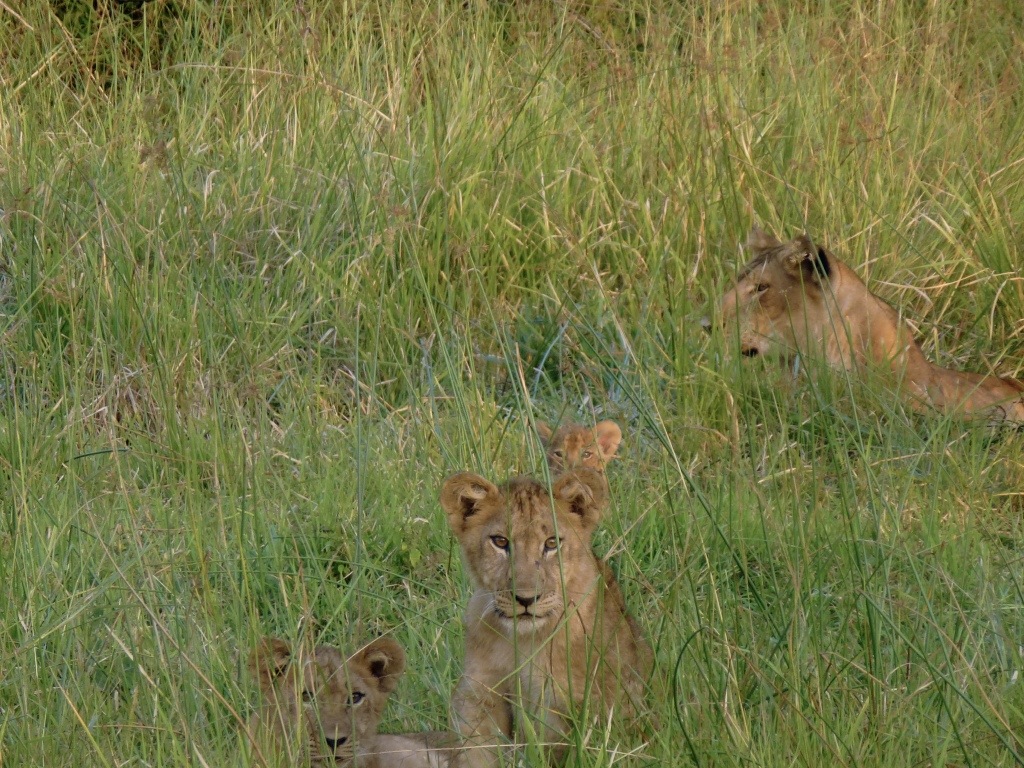
Later, we followed another jeep who had found a pride of lions. We were able to get close and had a solid 20-30 minutes of watching the female lions. In total, there were about 8-10 including cubs. We had a very successful safari that brought us water buffalo, kob, fish eagle ( and tons of other birds), monitor lizards, water buck, warthogs, hippos, crocs, baboons, verbet monkey, elephants, lions and the leopard. We saw four of the “big five” (elephant, leopard, lion, buffalo, rino), missing only the rino.

20140211-075645.jpg

20140211-075707.jpg

20140211-075755.jpg

20140211-075811.jpg

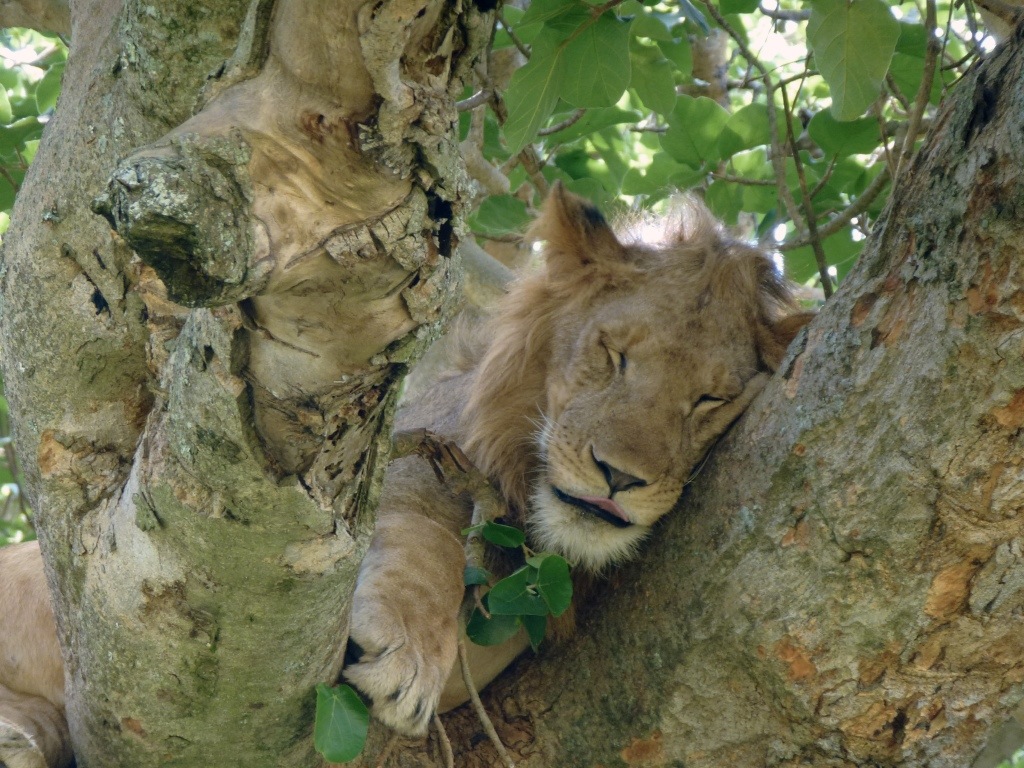
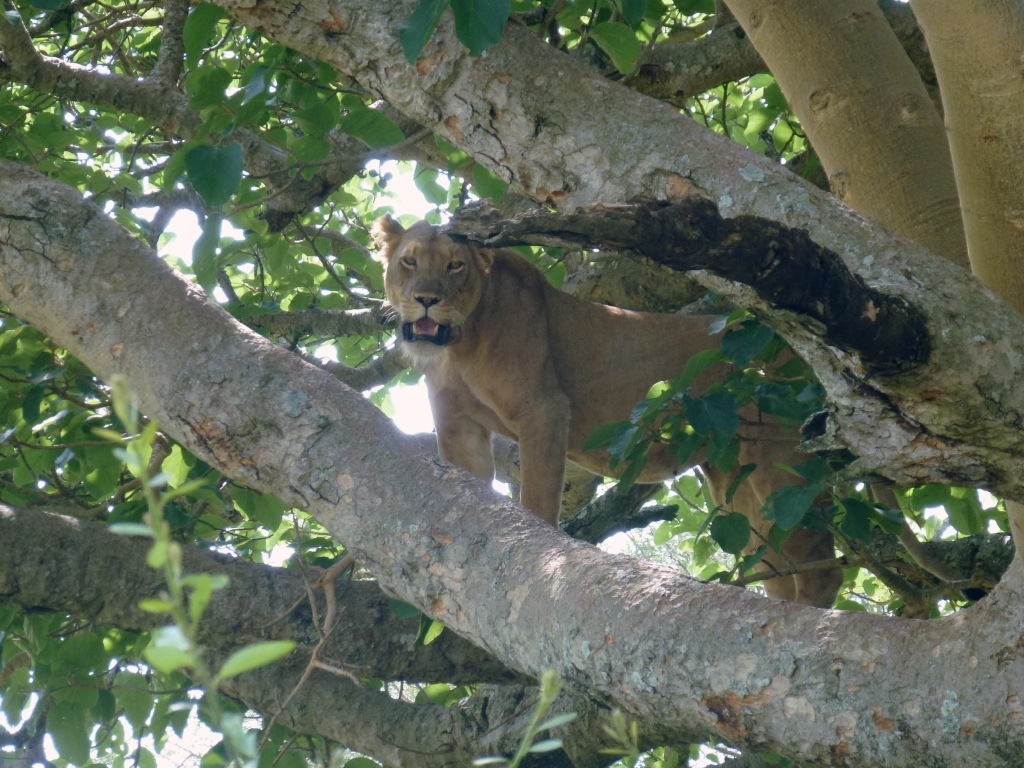
We started off the day the 10-hour drive to Kisoro with another game drive – this time on the opposite side of Queen Elizabeth National Park. After searching for about an hour, we found 5-6 male and female lions sleeping in a fig tree, very abnormal behavior for a lion. They are beautiful creatures!

20140211-075854.jpg

20140211-075906.jpg

20140211-080040.jpg

We knew we had a long day of driving ahead but didn’t know we would be going under 30 mph most of the way on a rough 4WD road. The scenery was spectacular, steep jungle mountains, more tea plantations, but at this point we were unsure the drive was worth 10 hours in the car eating dust. In fact, the roads were so narrow that we almost had a head-on collision with another car. He was speeding around the corner and was clearly too far over on our side. Luckily, our overly cautious driver was going much slower and managed to miss the driver by inches. We finally made it to our hotel by 5:45, enough time for a shower, dinner, then early bed for our 6:00 am departure for the gorilla trek.

Uganda – Makondo

It was so exciting having Maria join us for this part of the trip – our very own personal tour guide! We spent a few days in Entebbe checking out the botanic gardens before driving 4 hours to Makondo.

20140204-132436.jpg

20140204-130055.jpg

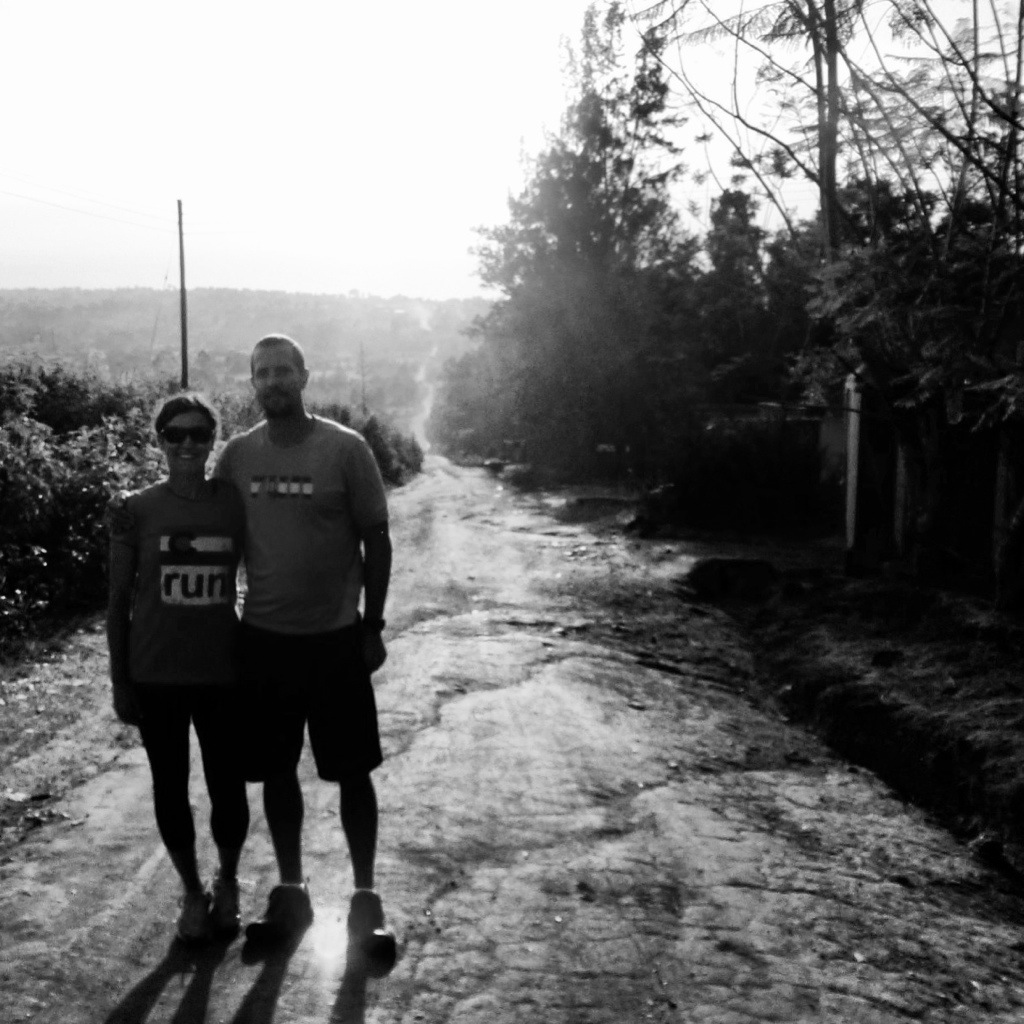
During one of the mornings in Makondo, we went for a morning jog. We found out quickly what it’s like to be minorities. Many of the children were running after us yelling “Muzungo, Muzungo!” which means white person in Swahili. To them, it seems odd to see someone wasting energy by running around. In fact, we even had someone yell, “Are you OK?” thinking we were running from someone or something.

20140204-122006.jpg

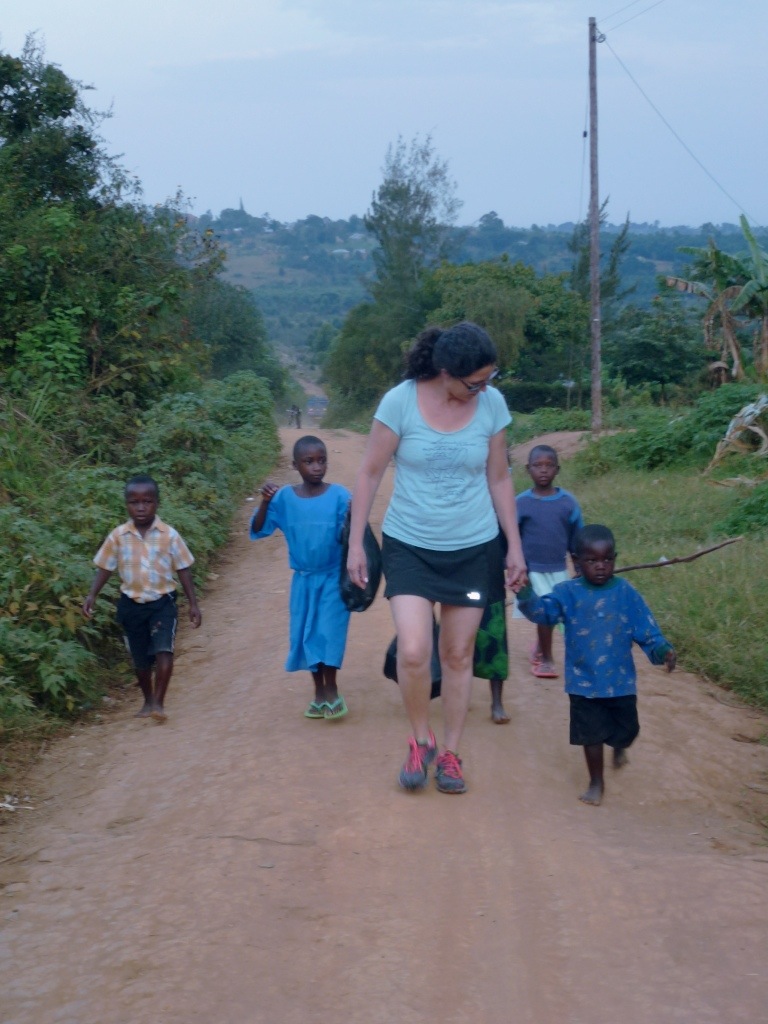
These people will walk upwards of 10KM per day – e.g. filling up jugs of water in the nearby waterhole or picking stalks of maze on their property to sell. Even to Sunday mass — which started at 7:15AM — women and children walked 6KM one way! We understood now why the people of Mukondo were starring as we ran by.

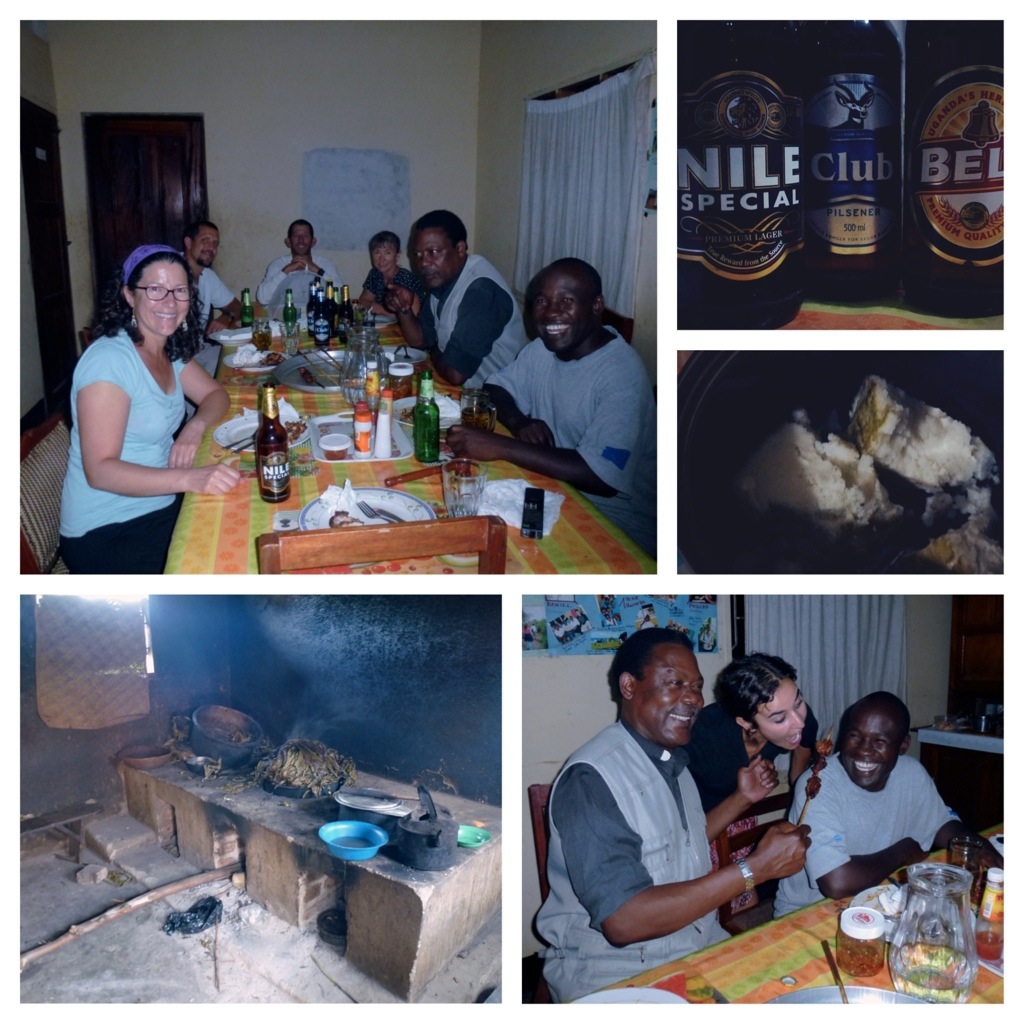
Almost every night during our trip, we walked up to the farm to have dinner. This was where the volunteers (Kris and Dean) and the Father’s slept. According to Dean, they were very happy to have us as guests because their feast during our visit consisted of much more meat and fish. A typical lunch or dinner includes rice, matoke, posho and peanut sauce with pineapple and mango for dessert. Even this would be considered a feast for most families. Matoke is generally served at every meal as it’s readily available.

20140204-122015.jpg

The taste is… well… quite bland. Kris — one of the volunteers — recommended that we try it with peanut sauce and I was pleasantly surprised at how good that tasted! Posho has a similar bland taste — think clumpy or dried cream of wheat (picture above). I also enjoyed posho with the peanut sauce. Another favorite of the people is mangoes! Christine and Joseph (a few of the students from St. Denis) gave us a whole box of them! And Bizimungu (student from St. Denis) sent us home with 2 pineapples. Considering mangoes cost about $3 each in the states, this was a very nice gesture. We shared the box with several others and it was delicious!!

20140204-121910.jpg

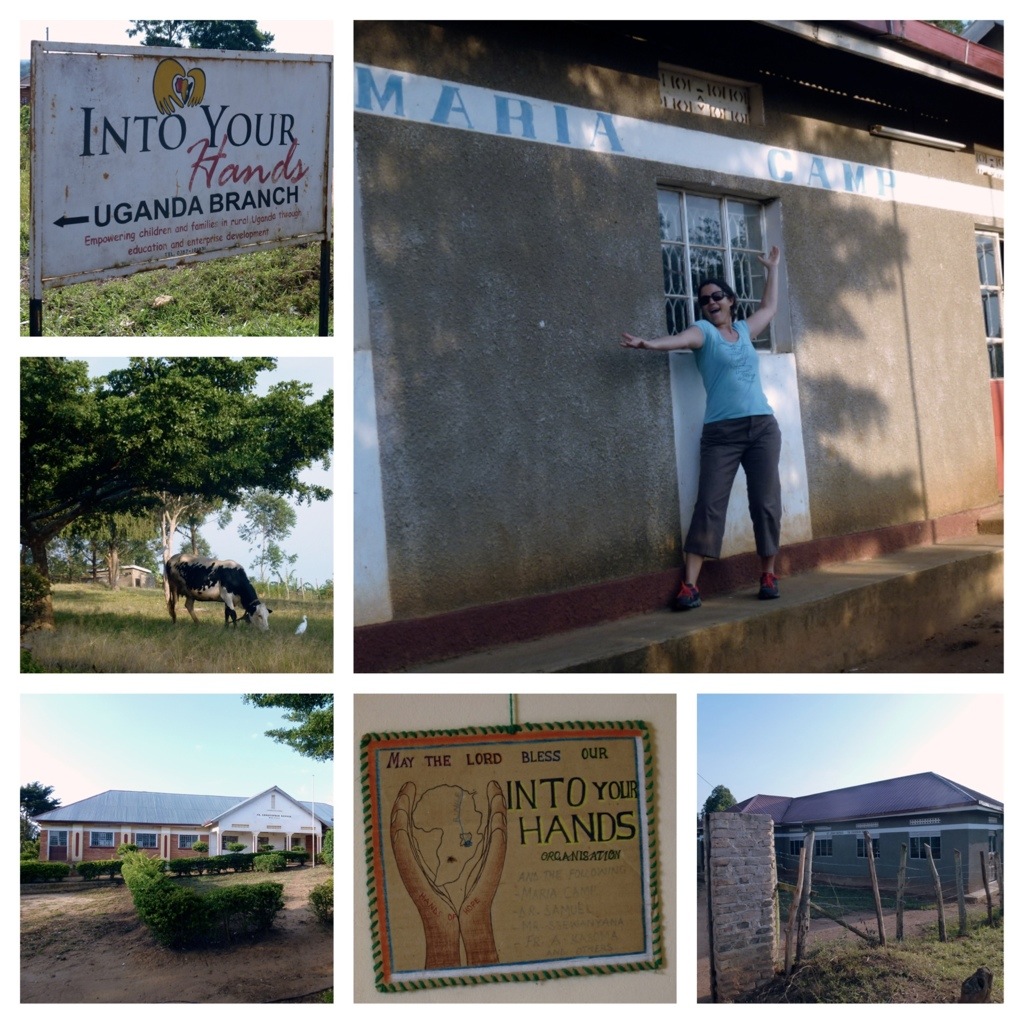
It seemed everywhere we went, Maria was somewhat of a celebrity. During one of our first days, she took us around to show the projects Into Your Hands was working on; which also included the completed classrooms and buildings Maria raised money for over the years. The library, the new dormitory (“The Evergreen Room”), the bore hole (or the local water pump), and several classrooms including “THE MARIA CAMP HALL”. She IS famous!! This was the first building she got involved with back in 1999.. It’s amazing to see all the work she’s done over the years with Into Your Hands and her local Rotary Club.

20140204-121846.jpg

20140204-122022.jpg

We even had the privilege of providing a helping hand by cleaning the classrooms before school started back up again (the following Monday).

20140204-121956.jpg

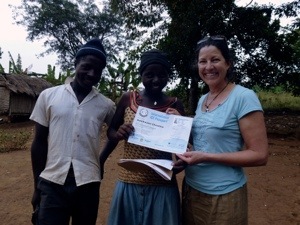
Another project Into Your Hands has been working on is “send a piglet home”. They will provide the basic materials for the pigs home (e.g. bricks), 2 months supply of food for the pig and the pig itself. In return, the family must give back 2 small piglets once the mother has her first litter (which will be distributed to other families). Subsequently, the families will make money off of selling the piglets to other families, providing income for the child to attend school. It’s a wonderful program that has worked well in the past. Below is a picture of a family we met during our stay..

20140204-121926.jpg

Into Your Hands also provides scholarships for students. One of those students is Bizimungu — a 19-year-old from Rwanda, who has moved to Uganda with his 3 siblings and parents (picture below). He completed his last year of secondary school (equivalent of a high school degree) and will be filling out college applications soon. We had the privilege of spending time with him. He seems to have his priorities straight and even better, he’s paving a path for his younger siblings to follow. It’s just amazing to see his progress since he started the program 6 years ago..

20140204-130127.jpg

20140204-121940.jpg

A day in the life of a Ugandan is quite different than the average American. It’s typical to find a family of 10 kids with a father who is no longer around (or spending his days with other males playing cards and drinking games). The kids are needed to help around the house, to gather food from the garden for dinner, to fetch fresh water from the water well and even look after younger siblings. This leaves little time for an education.

20140204-130154.jpg

20140204-130218.jpg

20140204-132504.jpg

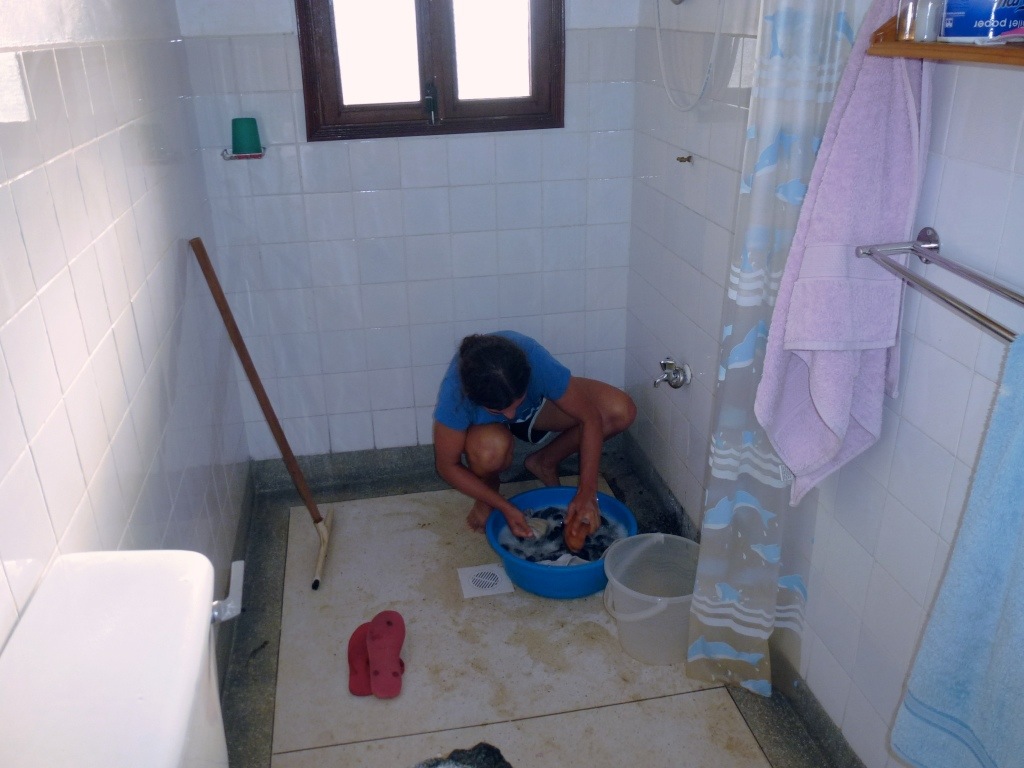
It was such a humbling experience for us. We had to wash our own clothes by hand, conserve water (which means no long or hot showers), cook our food and wash our dishes, and find ways to entertain ourselves (without electricity – in some cases – and no TV). The experience enabled us to truly start appreciating the small things in life again. Absolutley wonderful experience!

20140204-121903.jpg

Knysna, South Africa

20140123-173224.jpg

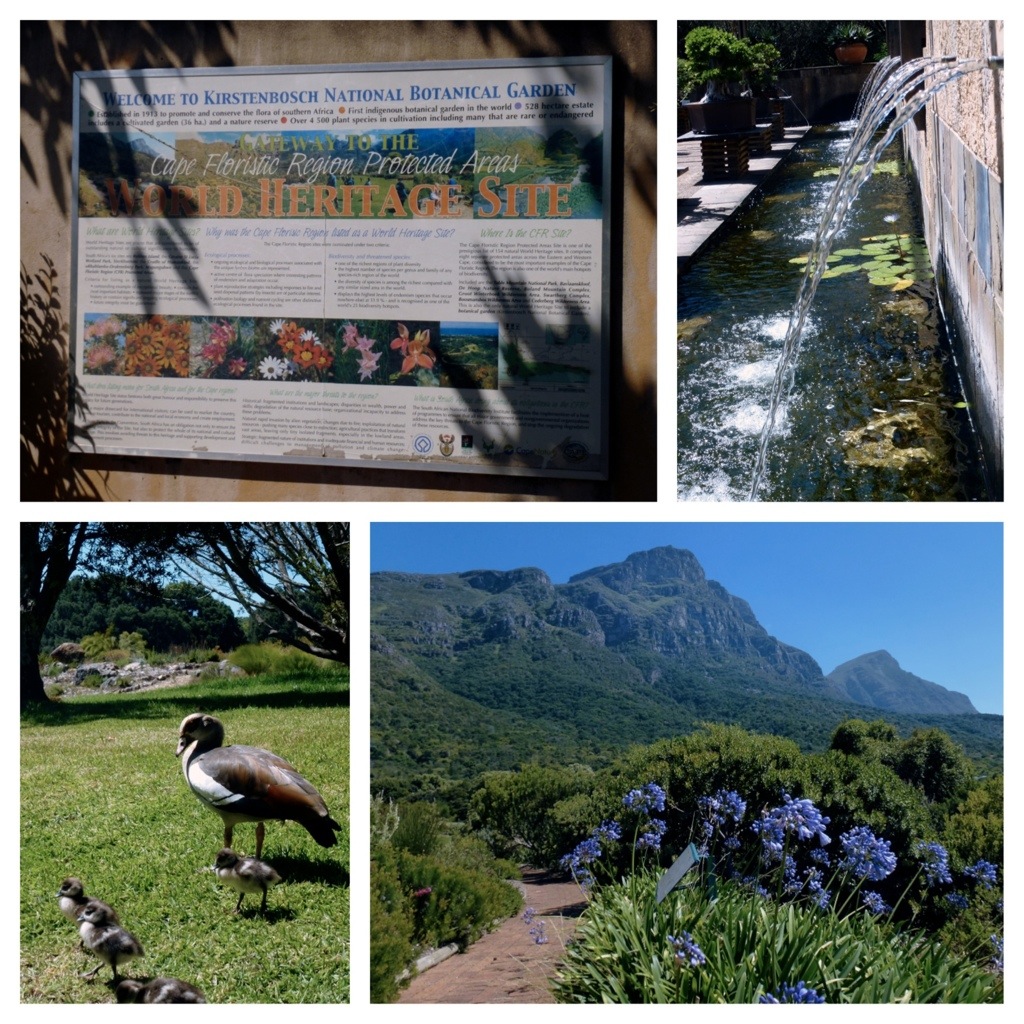
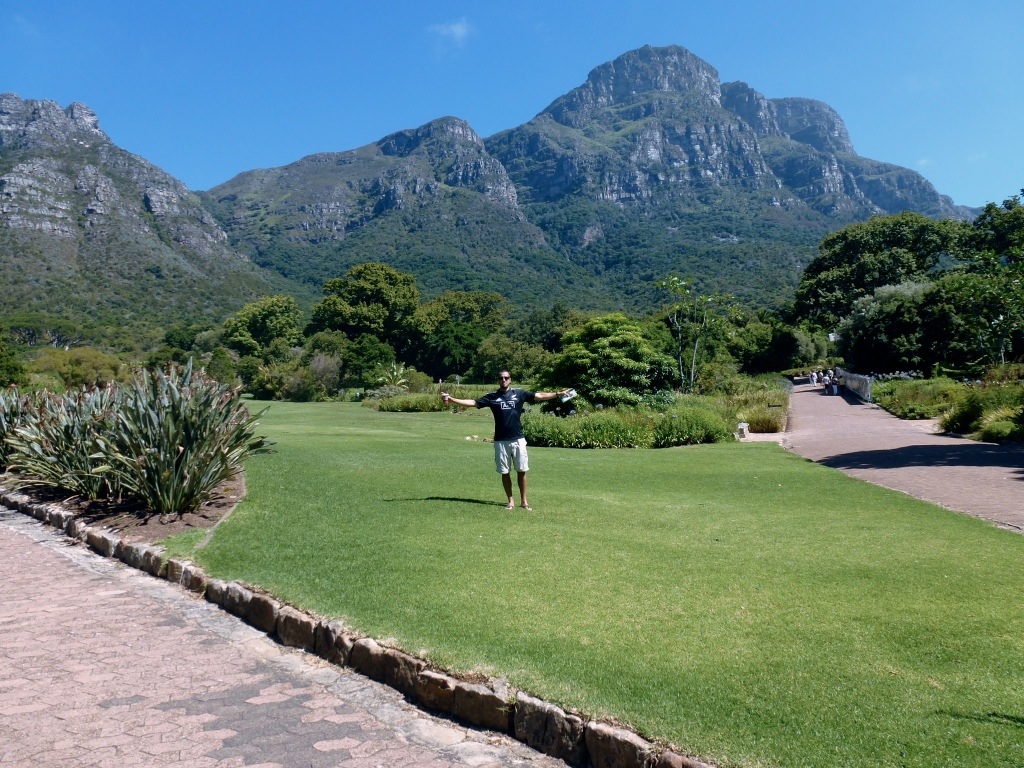
The main task for the day was making the 5.5 hour journey to Knysna on the Garden Route. After checking out early we decided to swing by the famous botanic garden, Kristenbosch (see pictures above). It was pretty spectacular and lived up to the hype.  It’s located on the slope of Table Mountain and more plant species than I could begin to imagine – certainly a worthwhile stop before the drive. Most of the drive was over pretty dry rolling hills, saw a few ostrich along the way but not much else out there. Once we got back on the coast we stopped at Mossel Bay – not the best town and we were hoping Knysna wasn’t similar!

20140123-173245.jpg

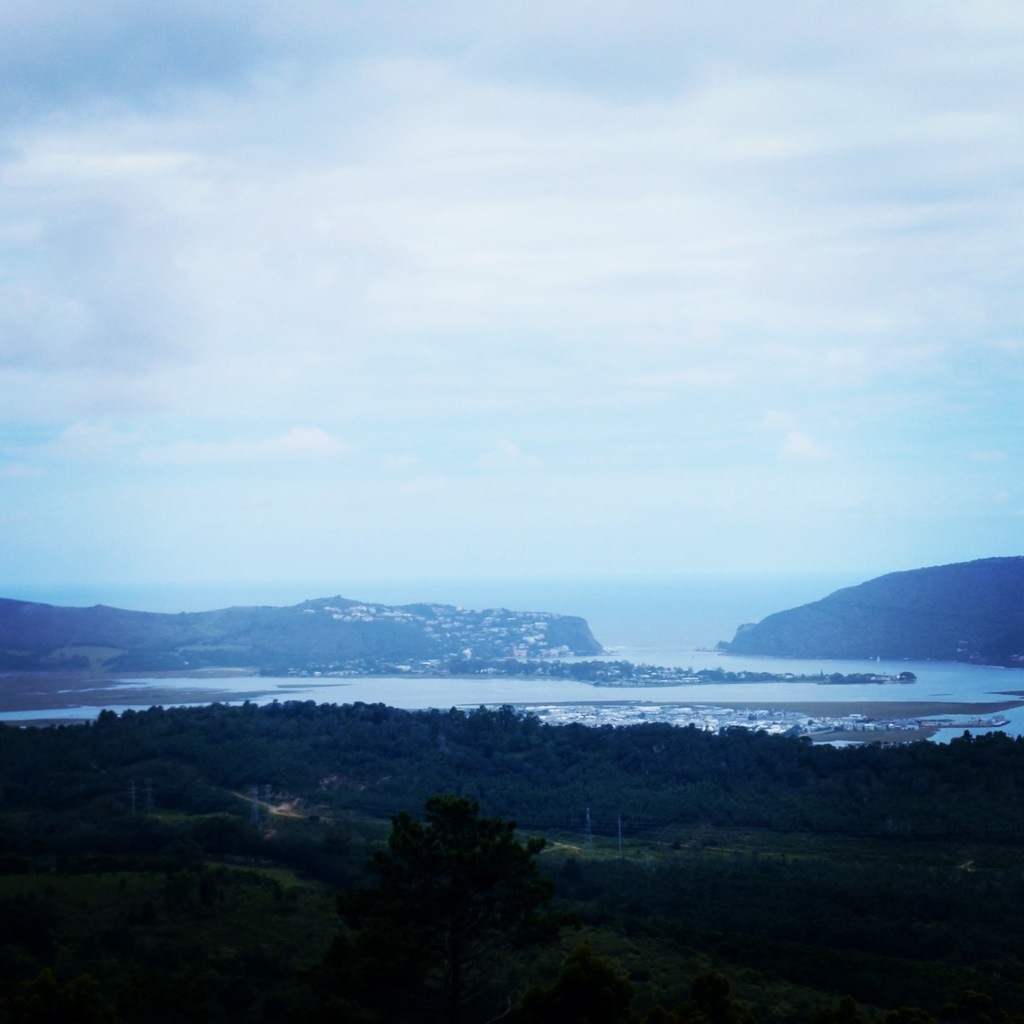
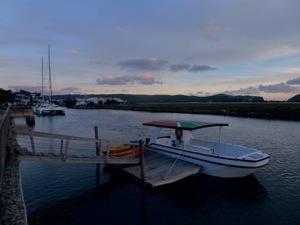
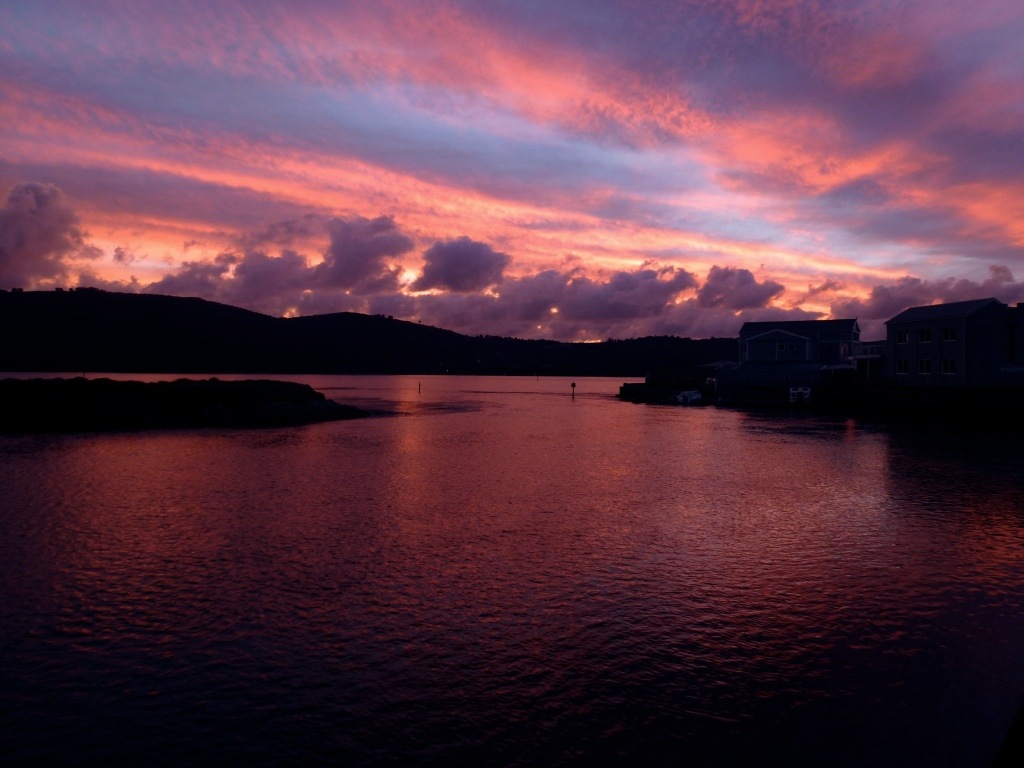
Luckily, Knysna was nothing like Mossel Bay.  Once we passed Mossel Bay the vegetation changed (big trees and much greener) you could now see why it was called the Garden Route.  Knysna is located on a massive lagoon, surrounded by mountains and a narrow gap called the heads where the ocean opened up.  There were also a few islands on the lagoon where houses and restaurants were built. After checking in to our apartment where we spent the next 4 nights, we made our way to a recommendation for dinner on one of the islands.  Another amazing location for dinner, right on the water in time for sunset.

20140127-165953.jpg

20140123-173320.jpg

20140123-173329.jpg

20140123-173336.jpg

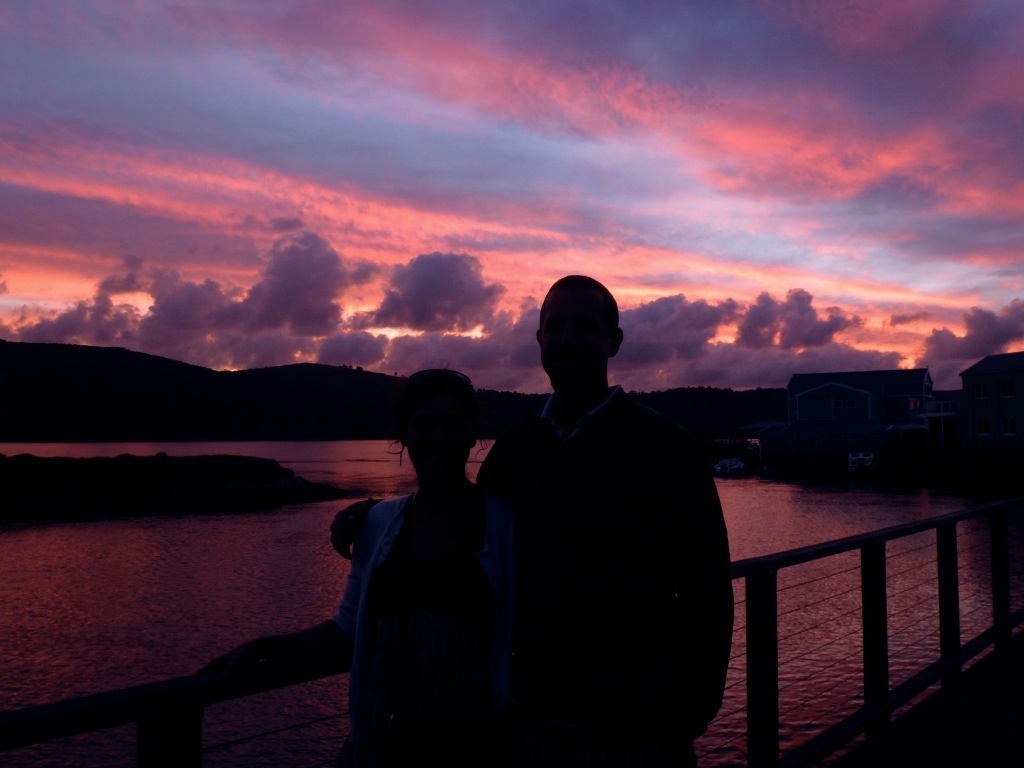
After only catching a glimpse of the town the evening before, we decided to spend the day in Knysna. We drove out to both the East and West heads.  There were tons of jelly fish that washed up on the beach as well as potential shark sightings – this made for a quick swim in the shallow water!  Still, the beach was stunning.  There was another spectacular sunset that evening and we couldn’t stop taking pictures because it kept getting better and better.  It’s probably one of the best I have ever seen (and didn’t think I would say that so soon after the Table Mountain sunset)!

20140123-173347.jpg

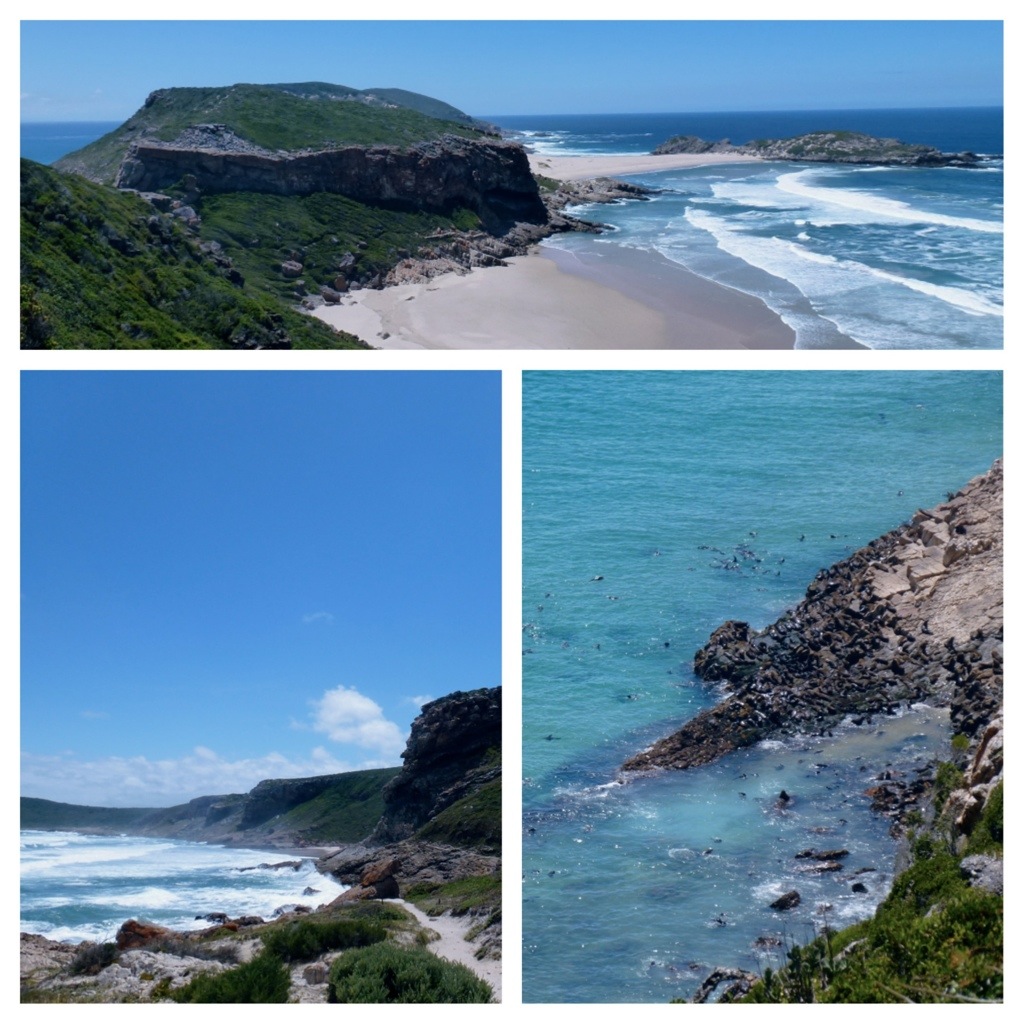
On our list of places to see on the garden route was Plettenberg Bay, only 20 minutes up the road from Knysna.  We were given a recommendation from the apartment owner to hike around Robberg Point. Robberg is the Afrikaans word for seal and we soon fount out why it was called Seal Point.  The loop took us up and down on a very picturesque peninsula and after about 30 minutes of walking we saw a massive seal colony (no wonder sharks like it around here).  There must have been thousands of them and even though we were way up above we could hear and smell them.  Again, amazing views.

20140123-174728.jpg

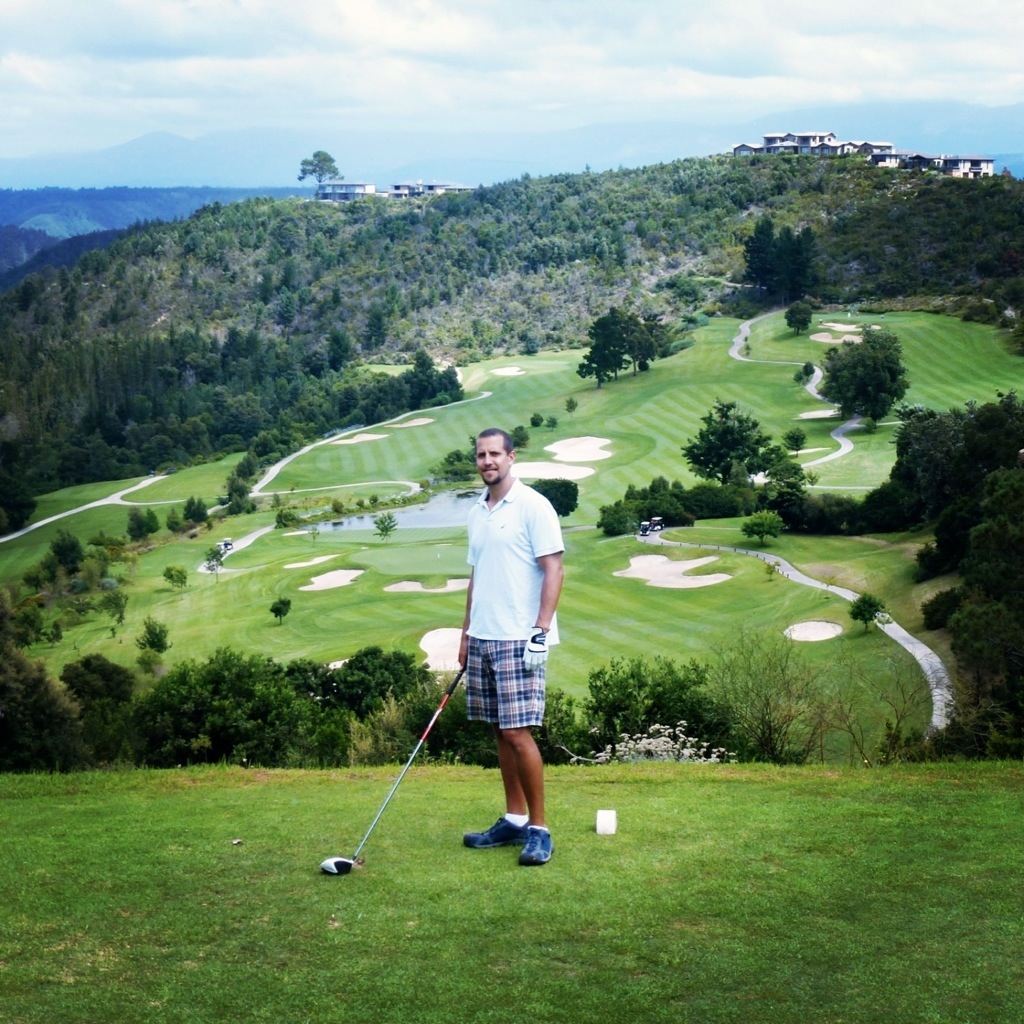
The owner of the Bed and Breakfast we stayed at was so nice! In fact, after 20 minutes of chitchatting he decided to join Rob on the golf course (30 minutes outside of Knysna). According to Rob, it was the “best golf course I’ve ever played on”.. I’ll take his word for it because the views were absolutely stunning. The owner also set me up with a day at the spa — an easy offer to accept! It was needed after 5-6 days of non-stop trekking.

20140127-165929.jpg

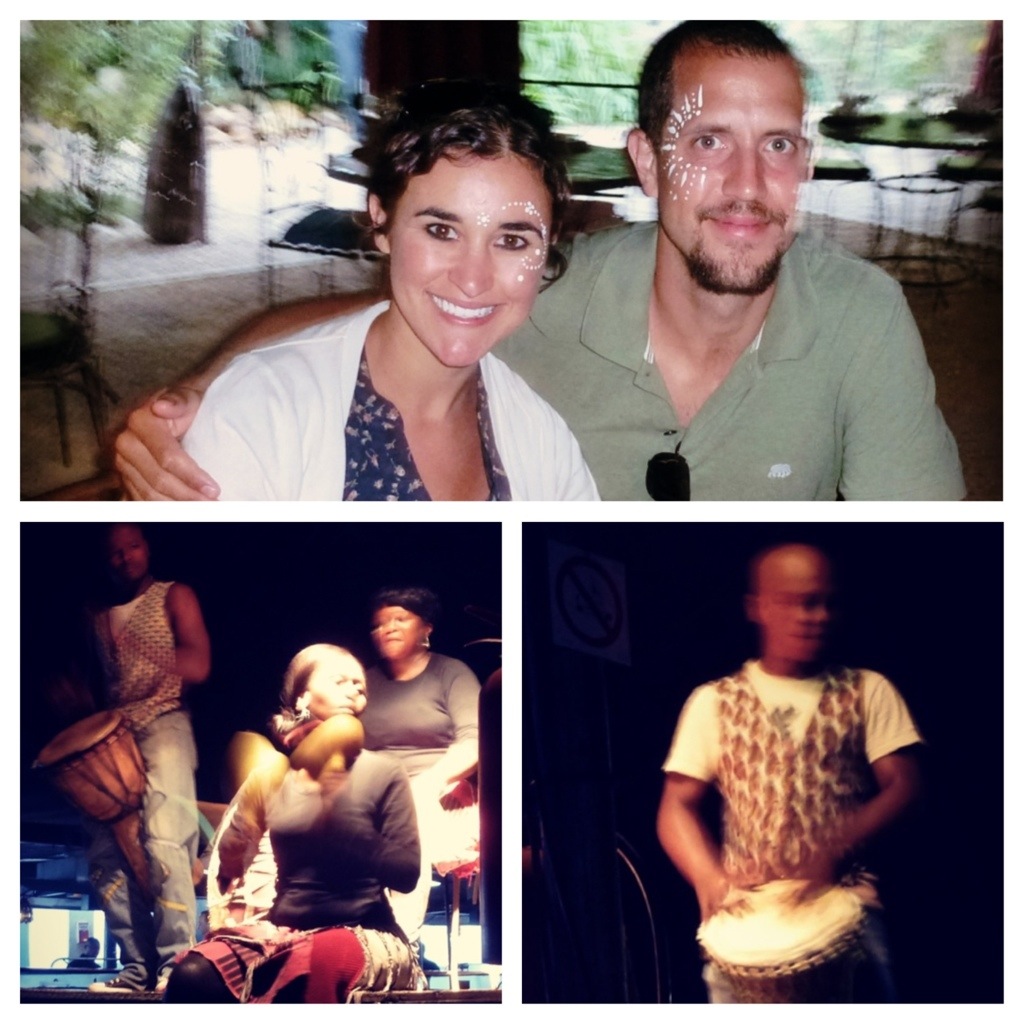
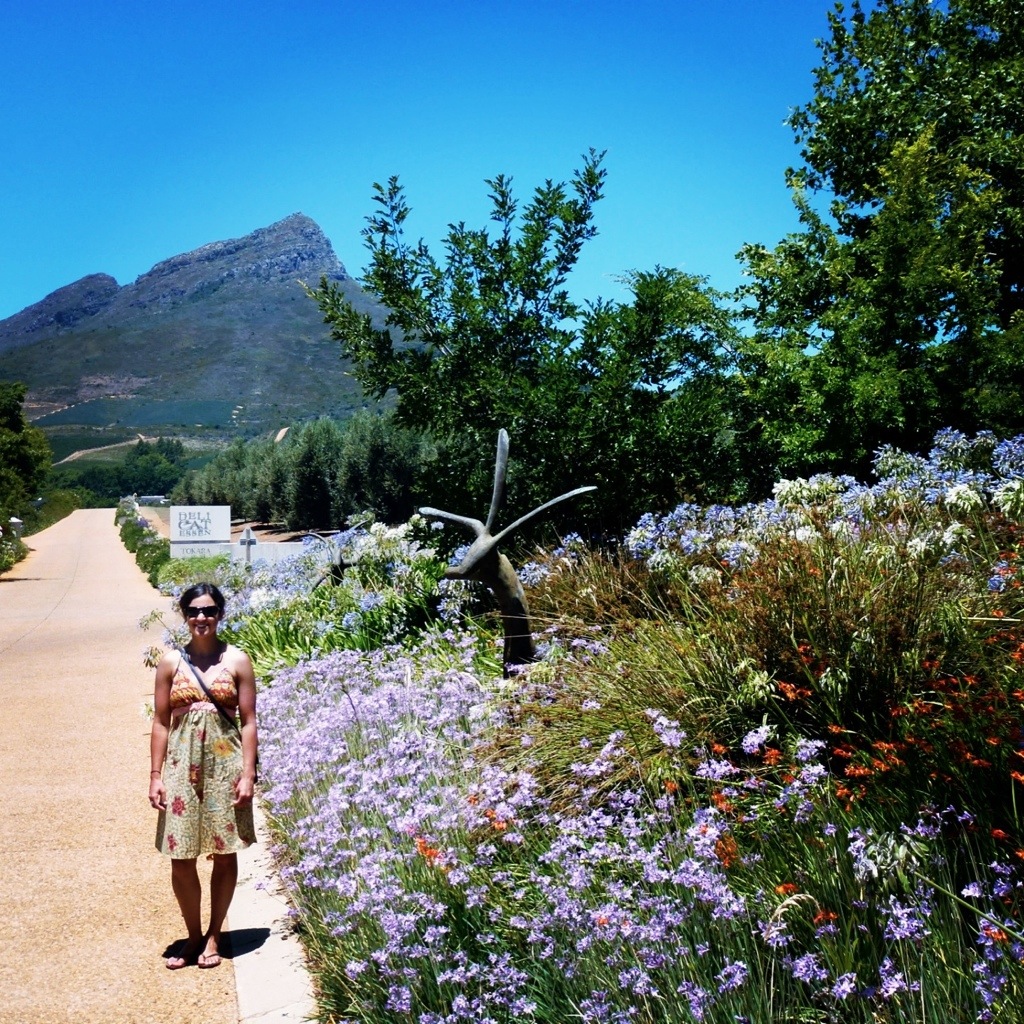
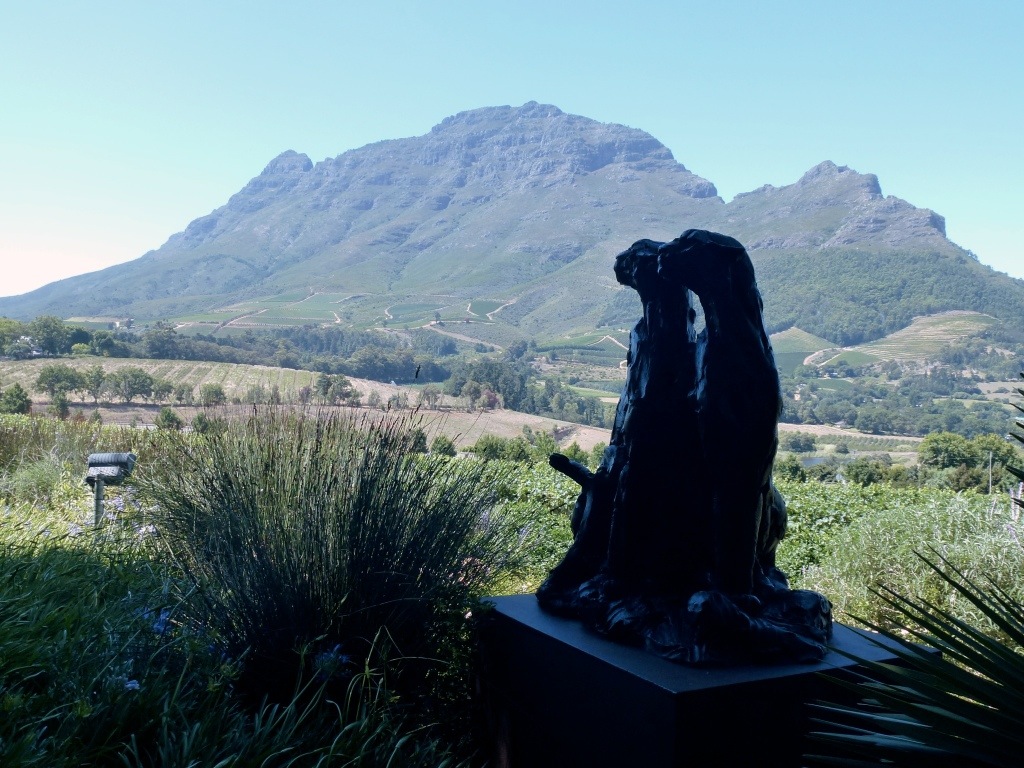
On our way towards the Cape Town International Airport, we were able to spend a few evenings in wine country – in a small town called Stellenbosch. Bed and Breakfasts seem to be fairly popular and it’s one of our favorite ways to travel – this place was situated in the heart of wine country with some amazing views. Why not enjoy a few bottles of wine on our balcony (pic taken below)?? After another recommendation from our friend Innes, we spent the evening at Moyo – a very traditional African restaurant where the staff paints your faces upon arriving, perform African dances, and serve you like the king! And the traditional African food was just as good.

20140123-175309.jpg

20140127-165938.jpg

20140127-170009.jpg

Cape Town

We left our apartment in Neutral Bay at 12:45PM Sydney time on Saturday and didn’t arrive at the hotel in Cape Town until 7PM Sydney time on Sunday (or 10AM local time) – over 30 hours worth of traveling! All in all, the trip went smoothly with the exception of a crying infant on the flight from Singapore to Joberg. And surprisingly, we weren’t too jet lagged on Sunday. In fact, we made the hike up to Lion’s Head that afternoon.

20140114-082509.jpg

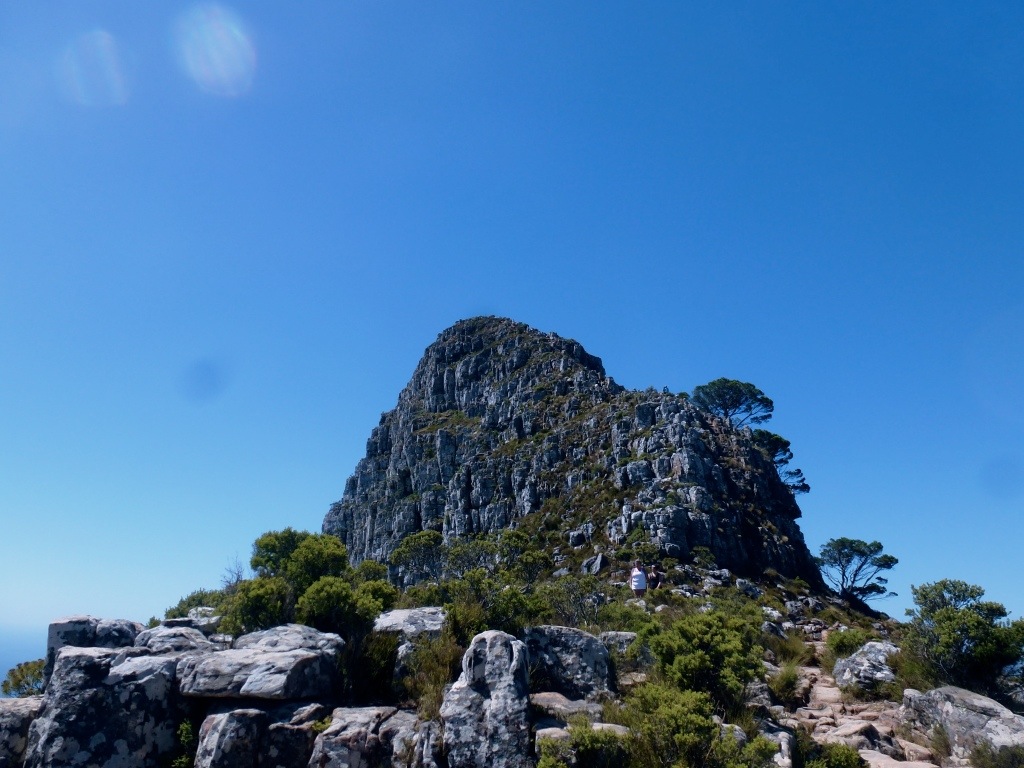
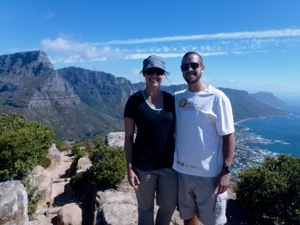
Cape Town has some unbelievable views – as can be seen during our hike up Lions Head. The hike took us two hours round trip and actually had some really steep parts where we had to scramble. It was worth it though as the 360 degree views were amazing. We decided to walk all the way back to the hotel after, which allowed us to see more of the city, and took another hour or so.

20140114-082453.jpg

20140117-155643.jpg

20140114-082414.jpg

20140114-082426.jpg

We ended the evening early but made it to Long Street for a beer and dinner. Long street is know as the main strip for night life, bars, clubs, etc. It was pretty dead since it was Sunday but still had a nice meal and cheap food/beer on a rooftop bar (there seemed to be more rooftop / second story bars and restaurants than there were on the main floor! Made for some fun pictures!!). Rob tried his first local beer called Stellenbach Lager and thought it was good!!

20140117-165237.jpg

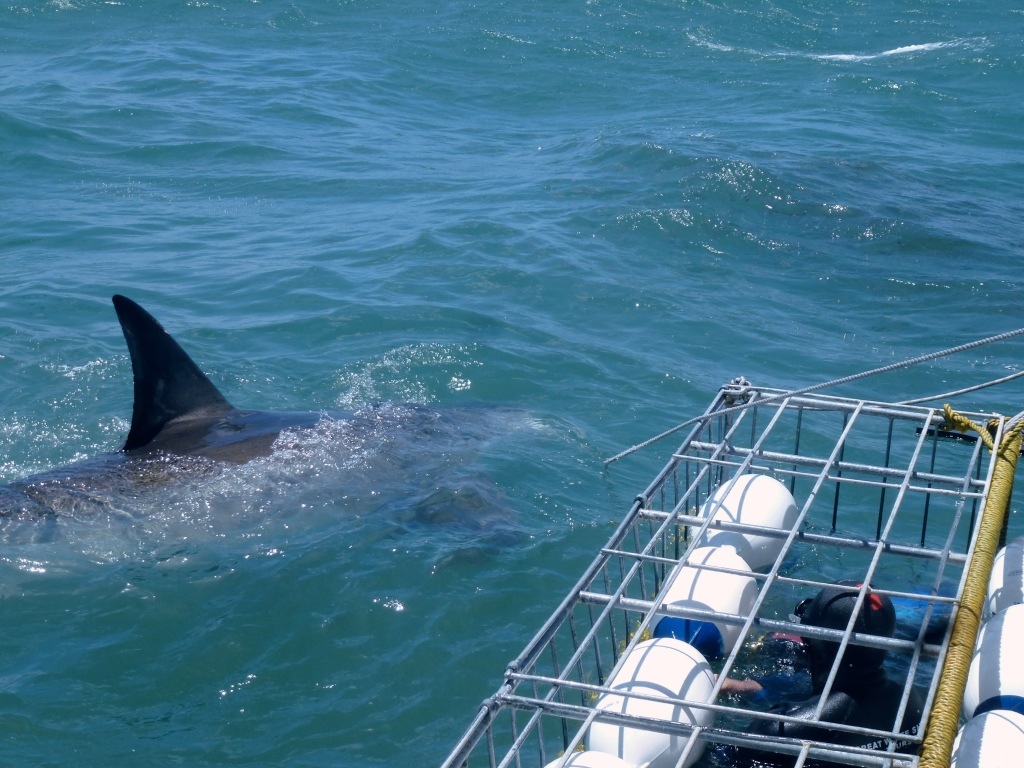
The next day – it was clear – the priority was the Broncos playoff game. Before leaving Australia, Rob made sure he knew exactly what time the Broncos would play and where we’d be. Luckily, we weren’t in the air but Rob insisted on waking up in the middle of the night to game-cast the game (the hotel didn’t have the game on so the best we could do is watch via game cast). Still, he was able to make the 5:30AM wake up call for our shark cage dive at Gansbaai – 2 1/2 hours southeast of the city. On the trek, we chatted with an English bloke who told us it was his second time in 3 days doing the dive (apparently, the first day wasn’t all the great in terms of visibility). This made me a bit worried but the day did little to disappoint.

20140117-155819.jpg

Rob and I volunteered to dive first (for one – I was hoping to get it over with!) and, turns out, we were probably the group to stay in the water longest. There were 8 people in the cage at one time. As the instructor showed us (see pic above), we had to hold our breath when they yelled “Get down, get down!” and we had to make sure we grabbed the handle below. The crew would hang the bait right in front of the cage so the shark would swim right in front of us!

20140115-185425.jpg

– Water temp: 17.8 C
– Temp outside: 26 C with high winds – made for rough seas (and a few sickies on the boat – UGH!!!)
– 4 groups of 8 people in the cage + 5-6 crew on board
– Of those 32 divers, 4 decided against going in!

Rob decided to go in twice and the second time was one of the best of the day! There two or three times when the sharks jumped out of the water right in front of him. Then the last pass of the day, the guide lead a shark right to the cage with the tuna head. The shark attacked the tuna head against the cage literally 4 inches from my (Rob) face. What a rush! Linds got a video here: http://youtu.be/ka8YtYWwJlQ. Here is another video while I was in the cage: http://www.youtube.com/watch?v=nWaTHYURThQ&feature=youtu.be.

20140117-173258.jpg

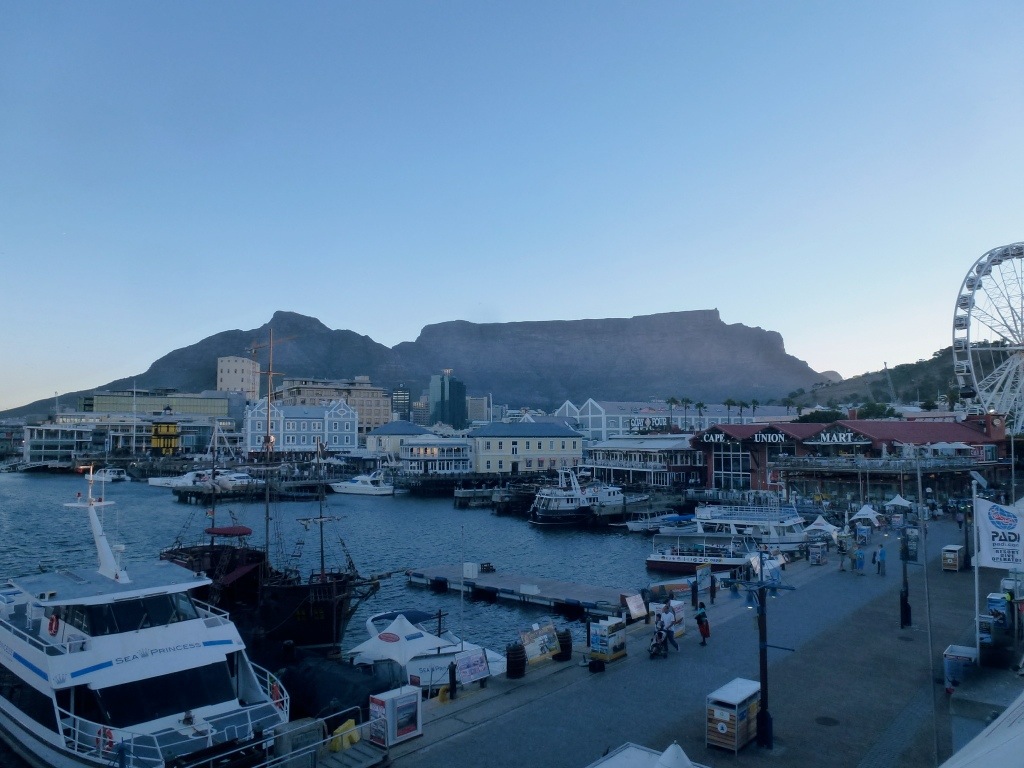
South Africa is know for their meat selection and quality so later that evening we went to one of the top steak houses in town, The City Grill, at the Water Front. The Water Front is a really nice area on the water with tons of restaurants, bars, etc. Touristy but also very nice.

20140117-165327.jpg

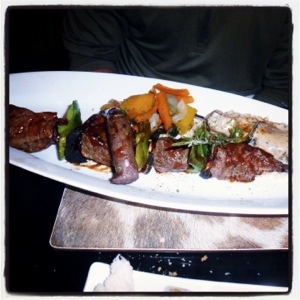
The meal didn’t disappoint and had some interesting tastings… ostrich, crocodile, venison sausage, chicken, springbok, and warthog. Our unanimous favorite was…ostrich?? It was really good and we did not expect ostrich to taste like that. We are loving the prices here especially after three years of Sydney prices. Beers are around $2-3, a bottle of wine at the nice restaurant was $11 and most meals about $5-$8.

20140115-130547.jpg

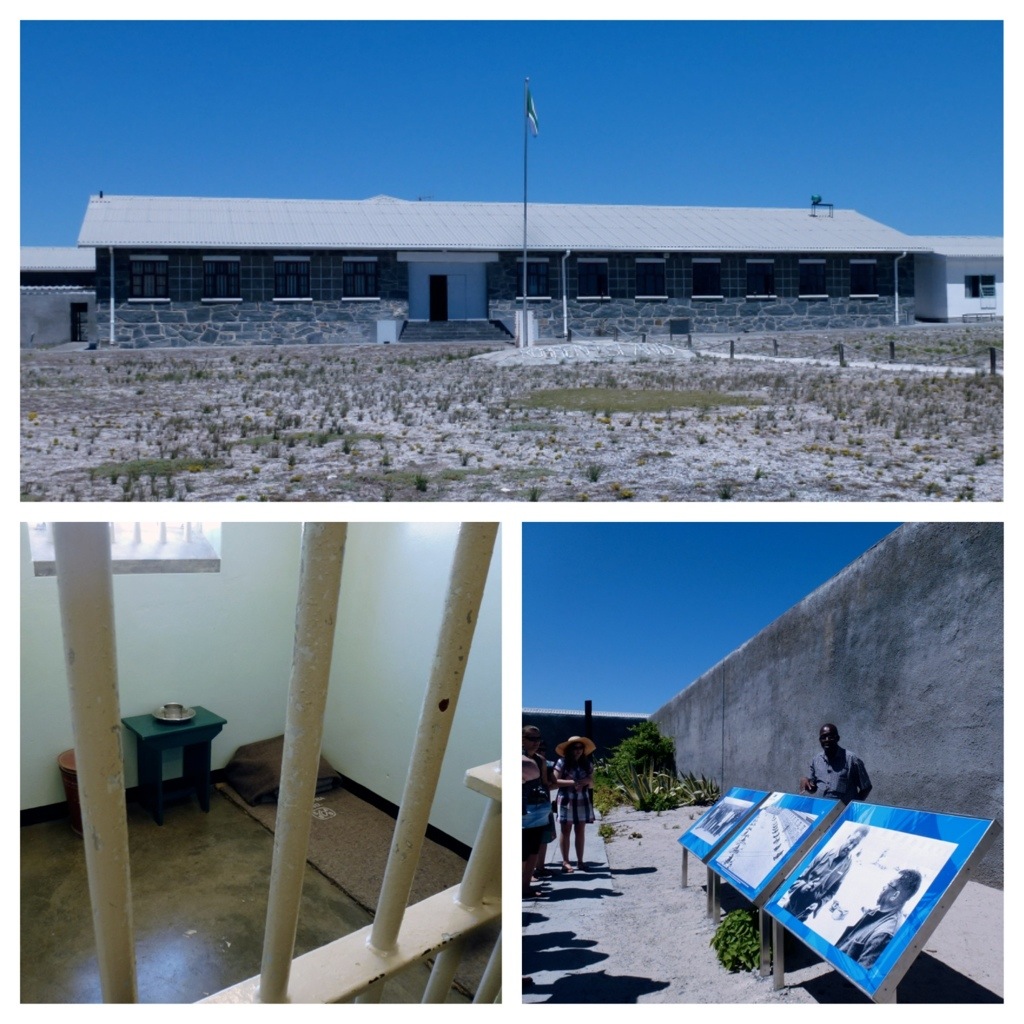
Of course we couldn’t fly to South Africa without paying our respects to Nelson Mandela. We caught the 9am ferry to the famous Robben Island where Nelson Mandela was held as a political prisoner for 18 of his 27 years of his imprisonment. A 30 minute ferry ride took us from the Water Front to the island where we took a bus tour of the island followed by a tour inside the prison by a former inmate. The climax of the tour was seeing Mandela’s tiny cell where he spent 18 years of his life.

20140117-171928.jpg

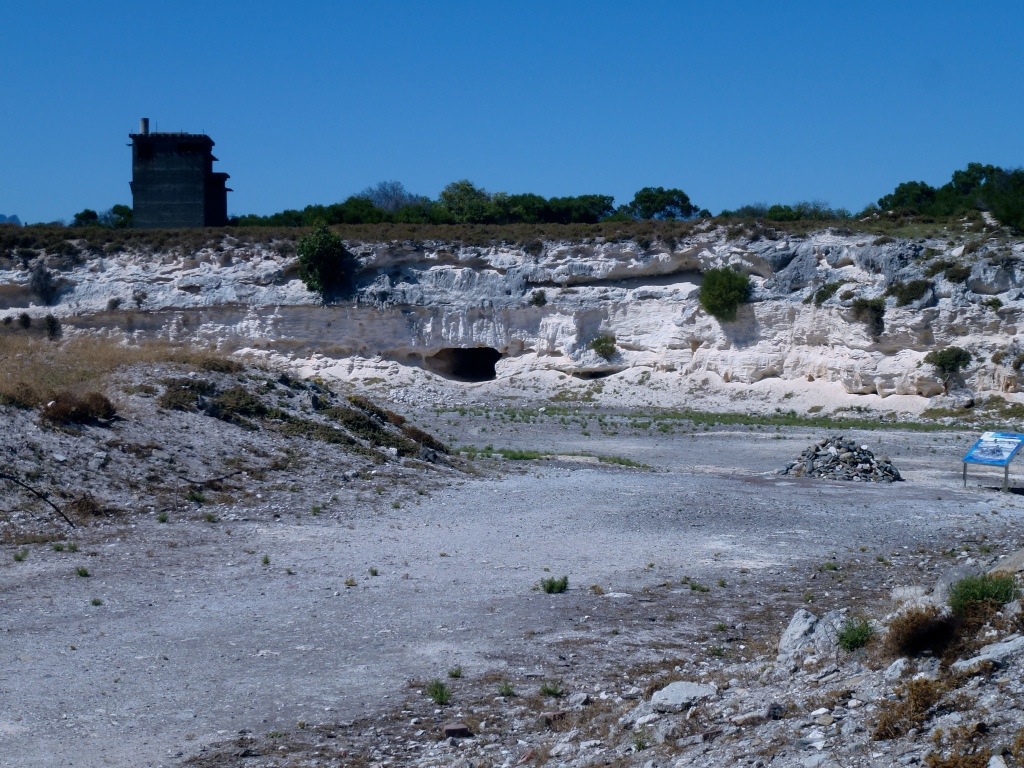
We also saw the limestone mine where they were forced to work doing meaningless tasks, moving rock piles from one side to another and back again. A lot of the prisoners had severe eye issues from working in the sun without any protection, primarily due to the reflection from the bright white rocks. Mandela had to have several eye operations after he was released and his tear ducts could no longer produce tears.

20140117-175506.jpg

We learned a lot on the tour about Mandela, the Apartheid, and the history of South Africa in general. It helps that we are also listening to Mandela’s autobiography “A Long Walk to Freedom”. It is very easy to recognize how well he was loved. Considering he passed away last month (Dec 2013), the city has his name and picture everywhere. He comes up in most conversations with the locals – he was and is clearly loved by his country.

20140117-183548.jpg

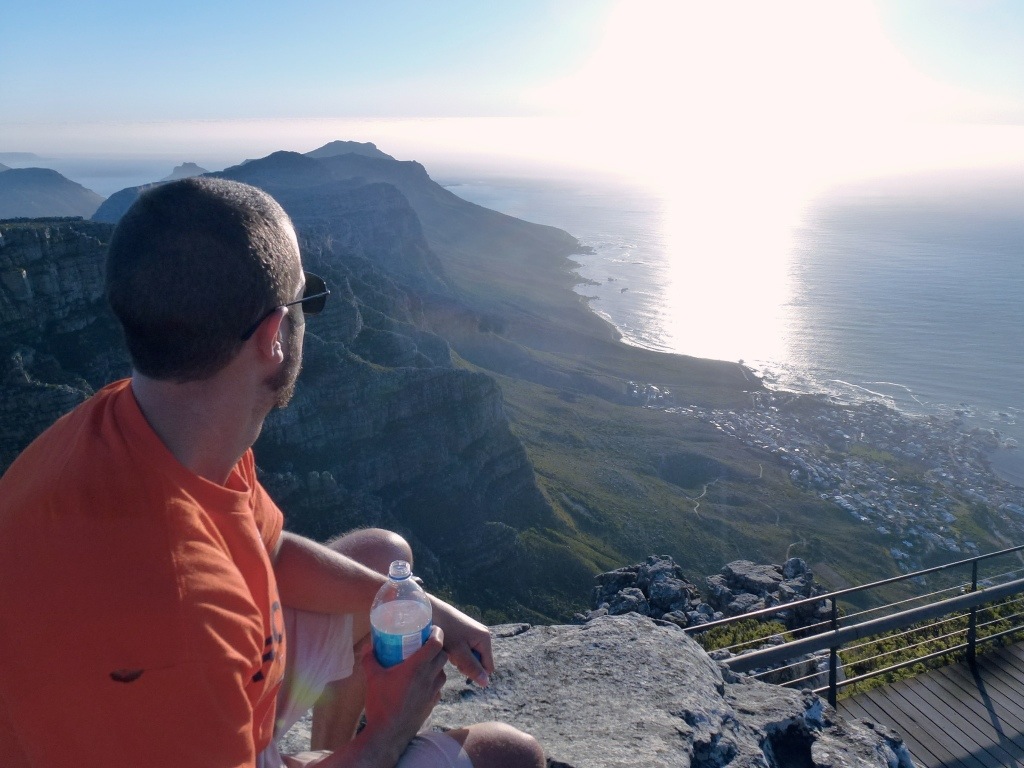
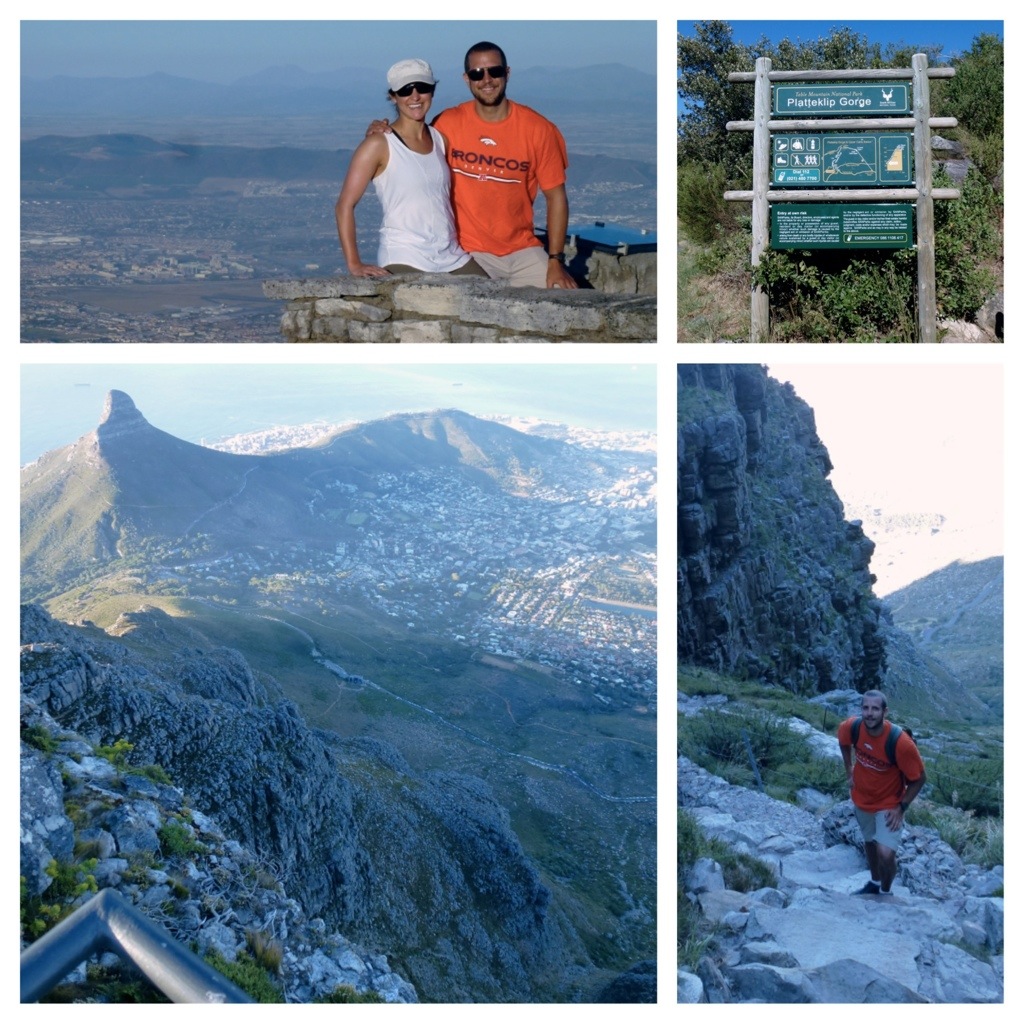
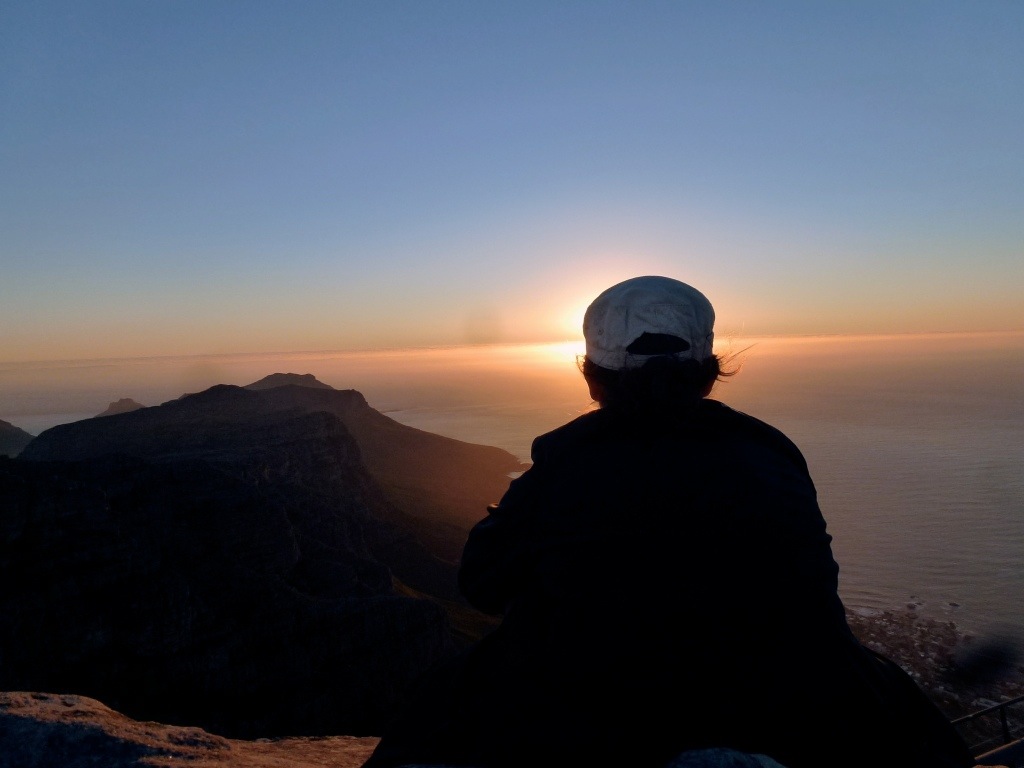
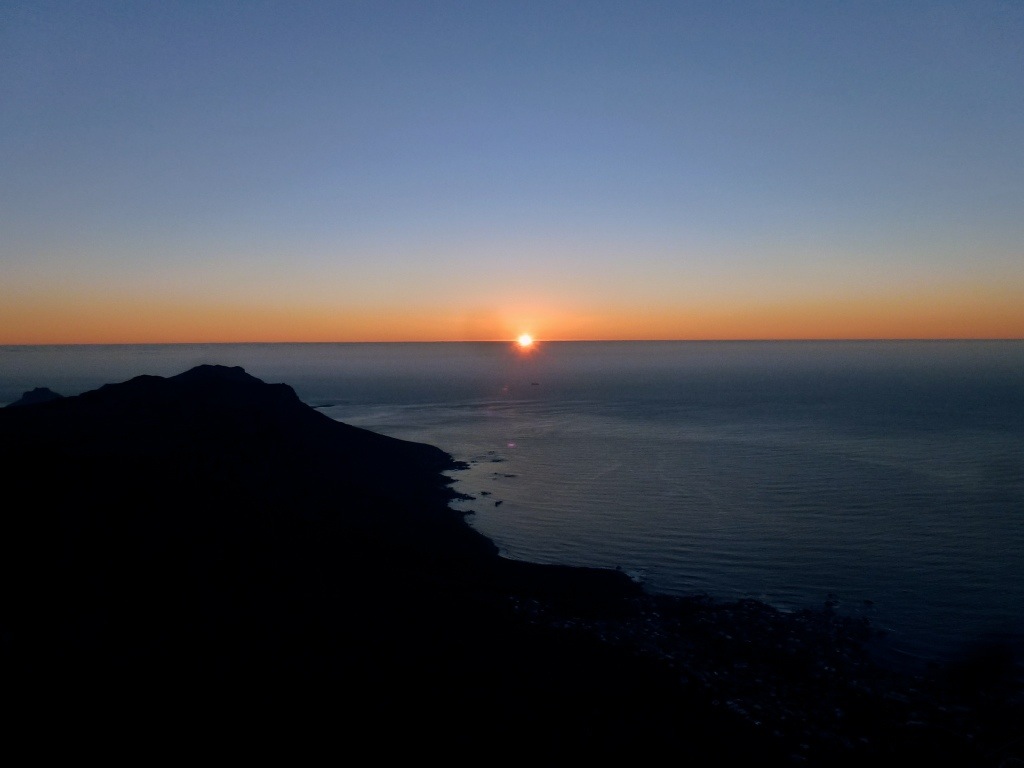
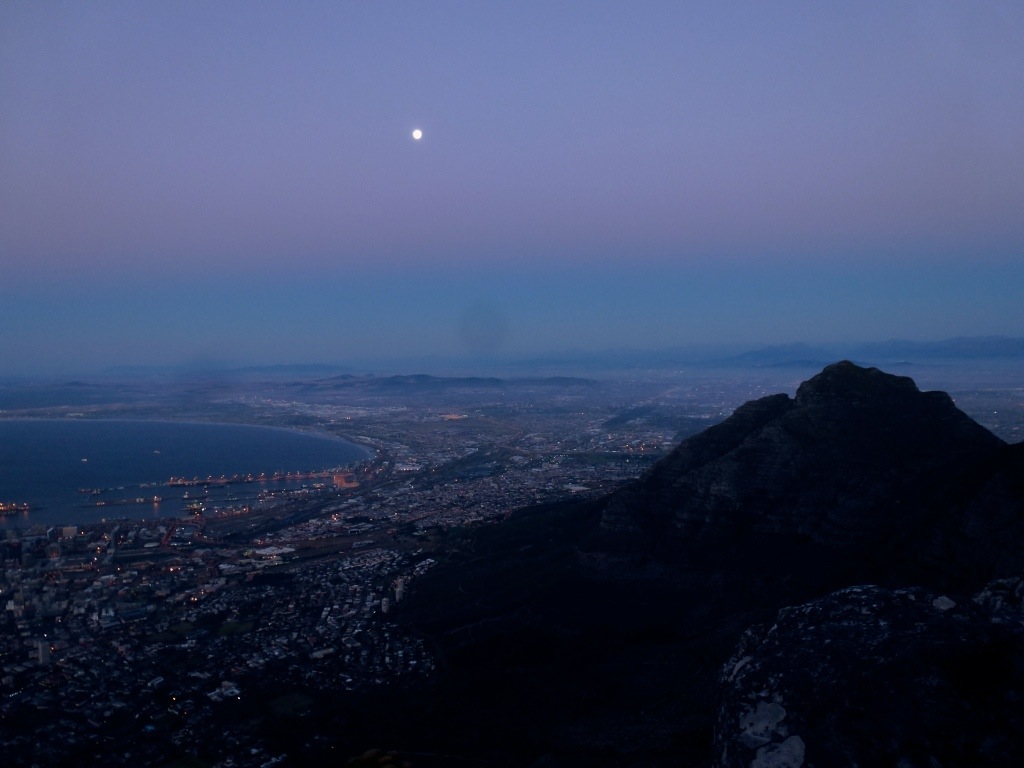
In the afternoon we decided to hike up Table Mountain, catch sunset, then take the cable car down. Table Mountain rises 3,500 feet directly above Cape Town and the hike was only 2km but with a 2,000 ft elevation gain. So basically straight up…the views from the top far exceeded my expectations and it was easy to see why this is one of the 7 natural wonders of the world. On the top we met two locals and talked to them for a good 20-30 minutes. They gave us a lot of good suggestions for Cape Town, Cape Point, and Stellenbosh.  The sunset was easily the best I can remember with nearly 360 degrees of water surrounding us (we sat on a rock overlooking Camps Bay – see pic above).  I was a little uneasy taking the cable car down, for part of it we were probably 1,000 feet off the ground but the view of the city at night was worth it.

20140117-183404.jpg

20140117-183555.jpg

20140117-183757.jpg

20140117-183820.jpg

**CAPE POINT**

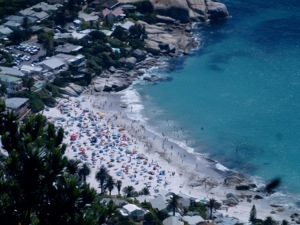
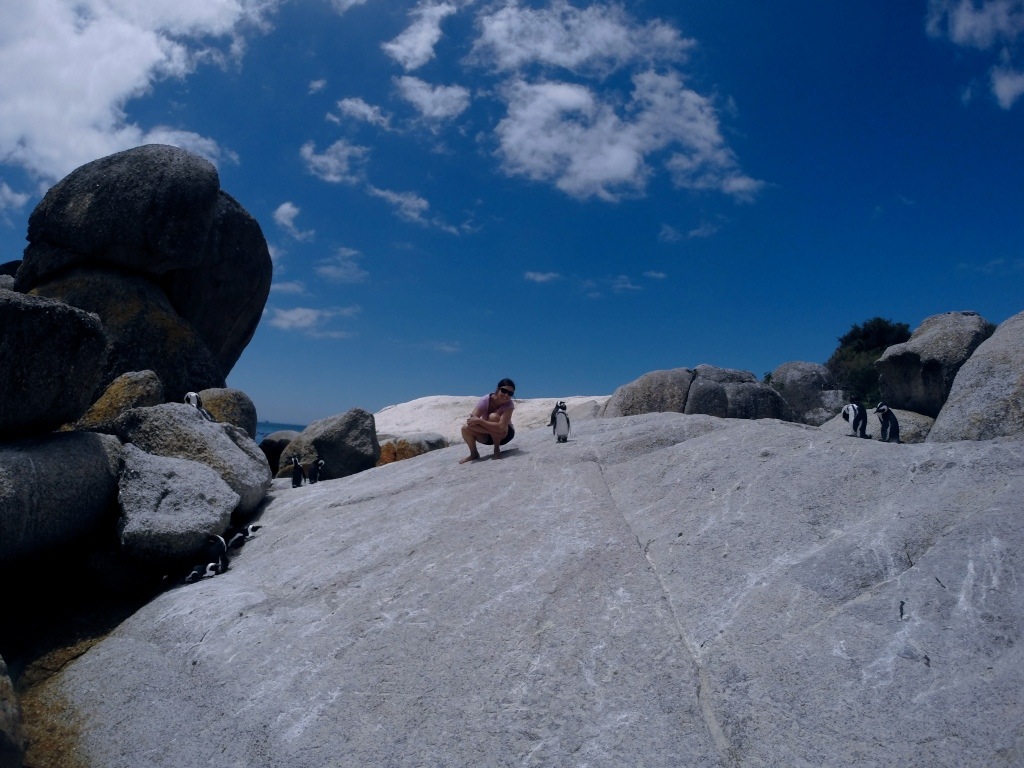
One of the main attractions near by is Cape Point and the Cape of Good Hope.  First stop was Camp Bay (viewed from on top of Table Mtn in the pictures above), a 15 min drive from Cape Town on the other side of Lions Head.  It was an amazing beach with the mountains right behind us.  From there we took the very scenic drive towards Cape Point to Boulders Beach, home to the largest colony of the endangered African Penguins.  We were able to get up-close-and-personal as shown in the pic I got of Linds.

(Unfortunately we had to take our camera in to get fixed so we didn’t take too many pictures.. Some are from the iPhone or GoPro)

20140118-162505.jpg

20140118-183219.jpg

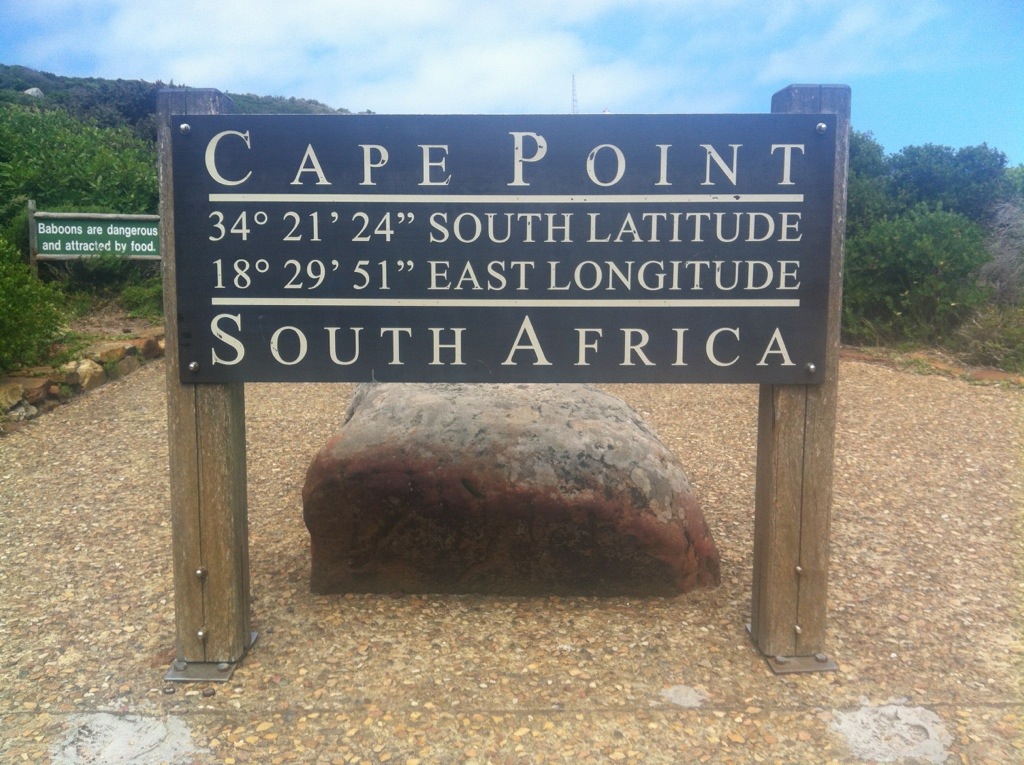
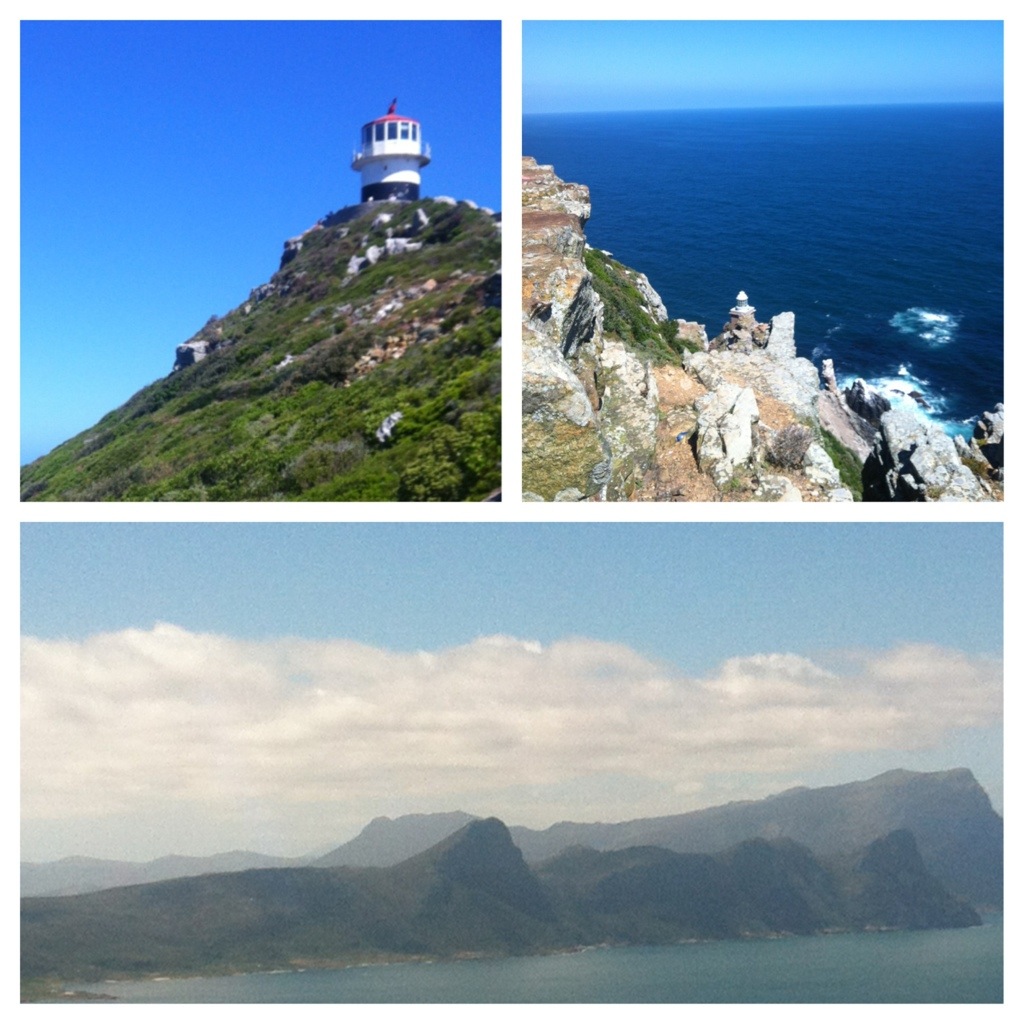
Another 30 minutes and we arrived at Cape Point and the Cape of Good Hope.  The point represents the convergence of the warmer Indian Ocean currents with the colder Atlantic Ocean currents.  However, we learned that this is not where the two oceans meet.  That happens at the southernmost point of Africa, another 3 hours east.  The Cape of Good Hope was a landmark early explorers used as they made their way around Africa.  Once they hit the Cape of Good Hope they knew they were starting to head east.  We did see a few NEW animal sightings!!  Several baboons, a family of ostrich, and a lone elder.

20140118-175900.jpg

20140118-163408.jpg

20140118-175932.jpg

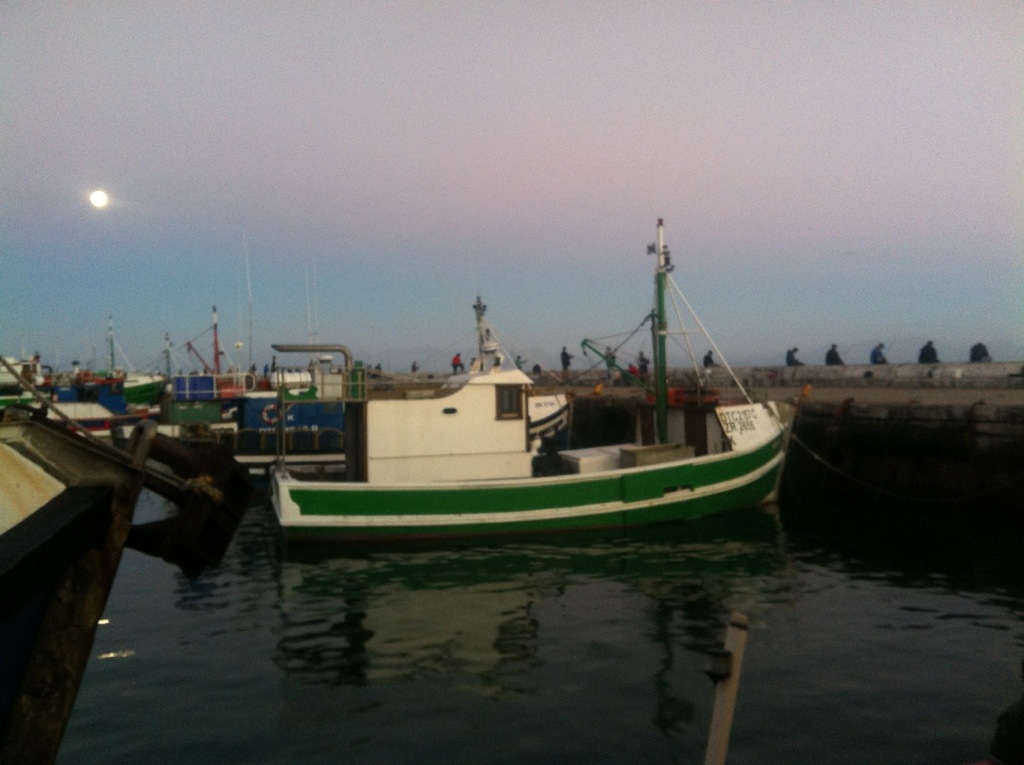
We finished the day at Kalk Bay where we had dinner at Harbour House, one of the best seafood places in the Cape Town area. The best part was the location, we were right on the water and had an amazing ocean view at sunset.

20140118-175910.jpg

Cape Town is such an amazing city! We HIGHLY recommend it to family and friends — there’s so much to do and see, we just didn’t have enough time to do it all!! All-in-all, we both agreed it’s one of our favorite (or favourite) cities we’ve visited to date :)!