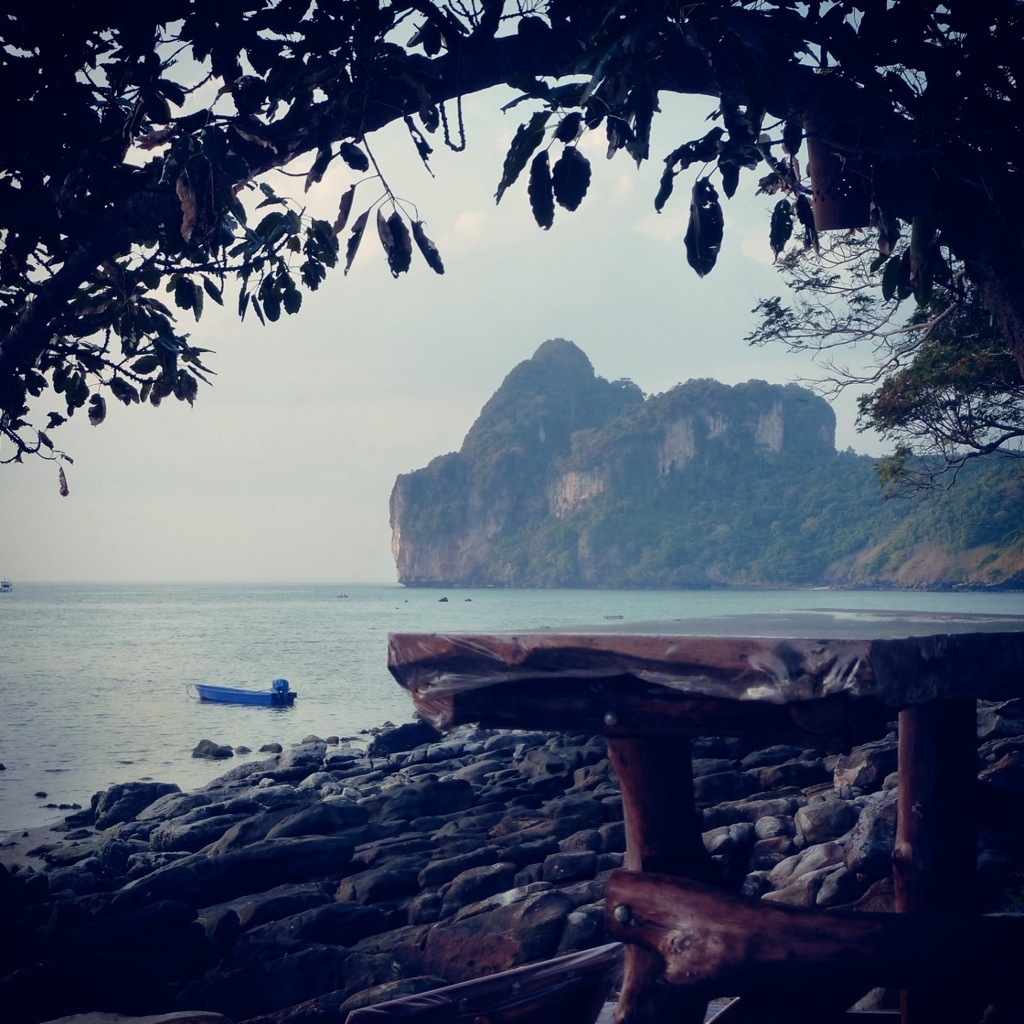
Koh Phi Phi Island

20130623-152416.jpg

Fun Facts about Koh Phi Phi Island:
-1 USD = 29.77 Thai Baht
-Ko Phi Phi is only accessible by a 3 hour ferry ride from Phuket.
-Ko Phi Phi island was devastated by the 2004 Tsunami. The non tourist
population is typically between 2,000-3,000 and it is estimated that
4,000 people died on the island that day.

20130623-152603.jpg

20130623-152456.jpg

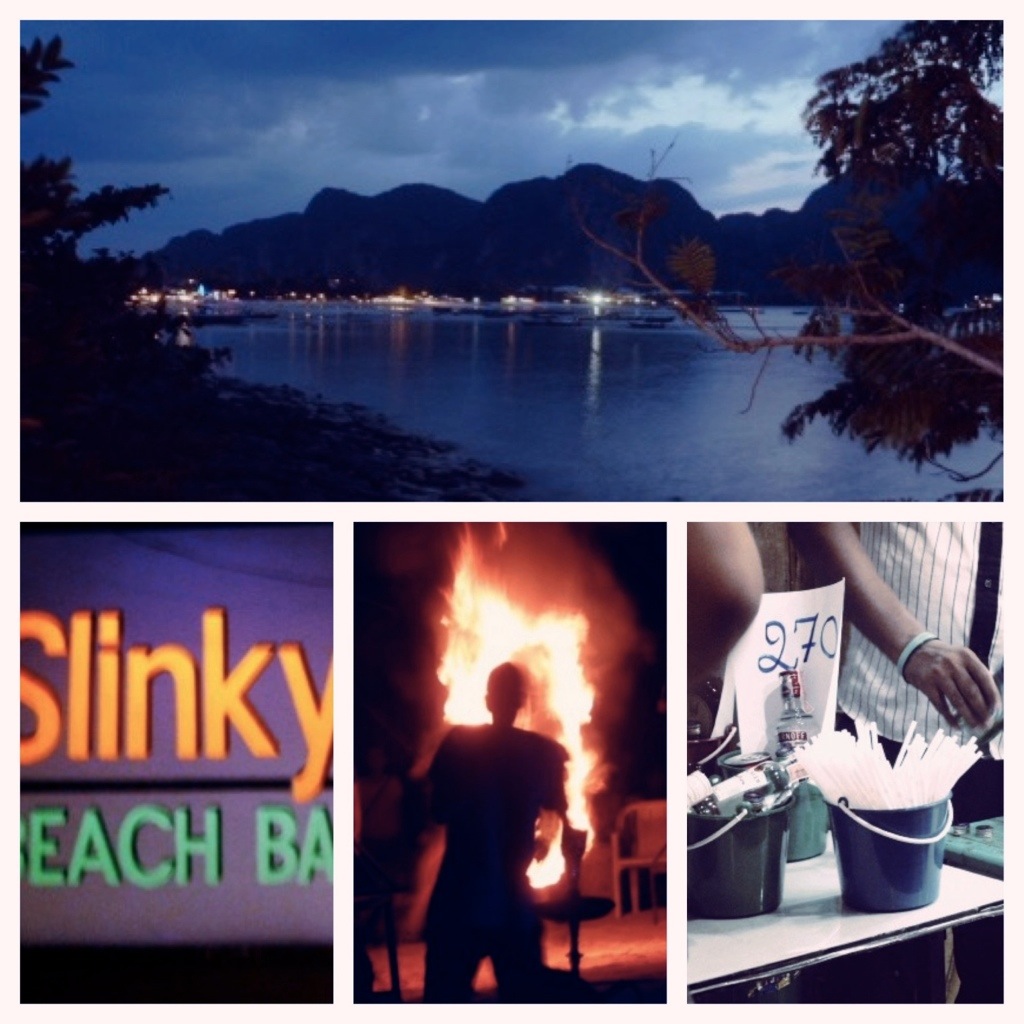
We spent New Year’s Eve on the island and prior to going out for the evening, we were chatting with the bar tender at our hotel. He was telling us his accounts of the 2004 Asian Tsunami. At the time, he was working at a hotel restaurant which was located in the middle of town. When the first wave came in, it flooded the entire place (up to around his hips) then eventually the water swept back into the sea. He immediately knew at that stage it was a Tsunami and ran towards the biggest hill in town. Unfortunately, several of the customers he was serving did not and wandered back to the beach to see what was happening. He recalled being very scared for his wife specifically since he had no way of getting a hold of her. Several days later they reconnected, but the island was destroyed.

We learned from other people that in some regards the Tsunami was a good thing for the island due to all the disease and mold that had developed over decades. Today, there are clear signs of where to run in case of a Tsunami (even a building lookout).

20130630-150816.jpg

20130630-150752.jpg

Fun Facts about Koh Phi Phi Island:
-There were no cars on the island, only motorcycles, bicycle, and the
most common means of transportation, a long tail boat.
– Our hotel was a good 2 miles from where the boat dropped us off – so
fortunately, the hotel sent a staff member with a cart to carry our
bags. Lucky for me, they had a sign with our names on it!! (I could
get used to this kind of service 🙂 )
-Neighboring island, Ko Phi Phi Leh is where the Leonardo DiCaprio
movie The Beach was filmed in 2000.

20130630-150843.jpg

20130630-150727.jpg

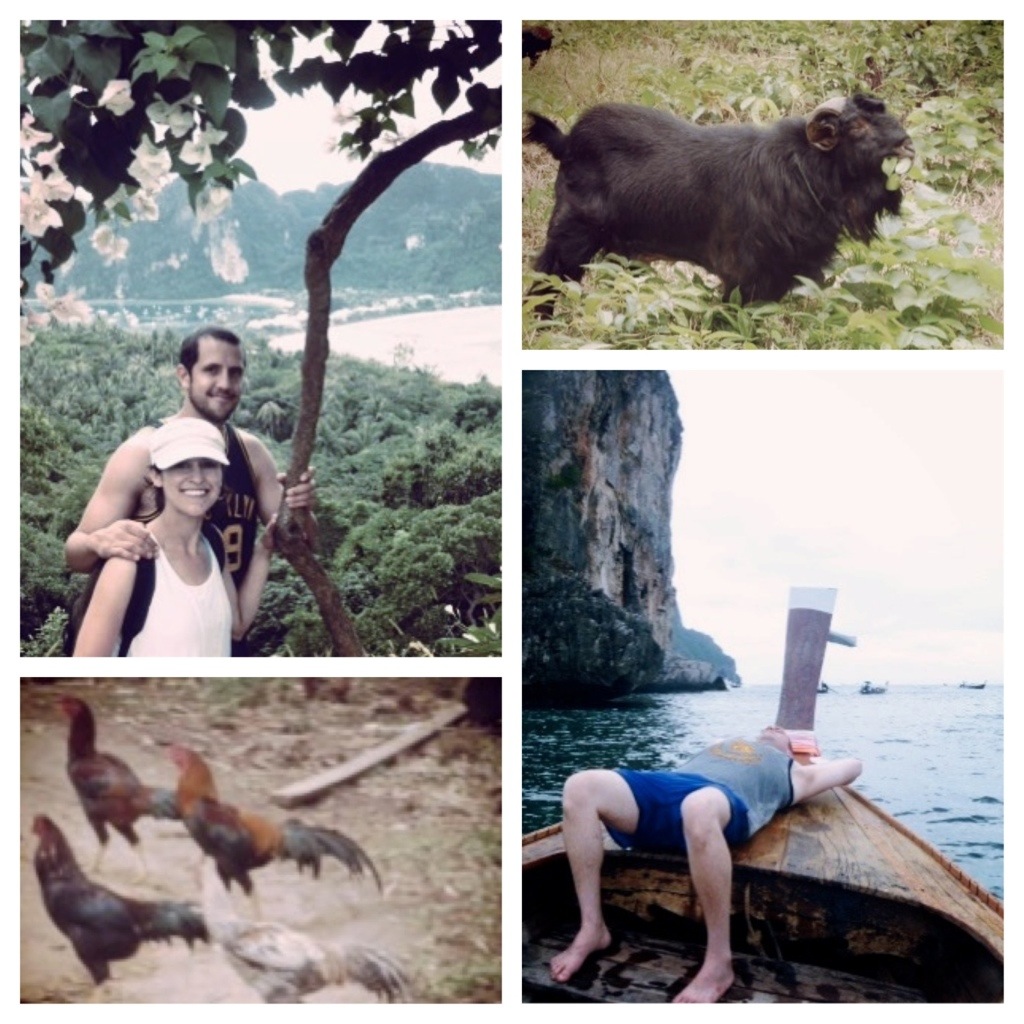
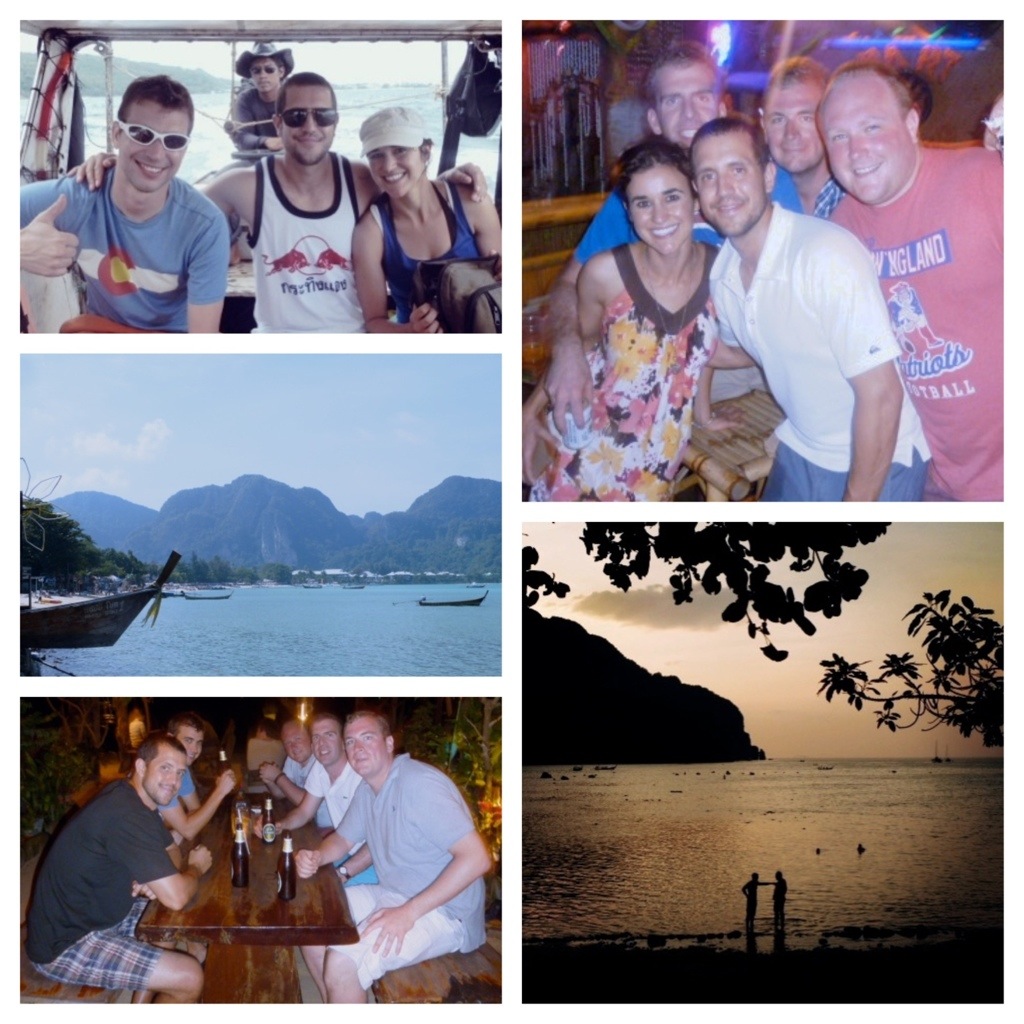
We went for a long hike to the tallest point of the island (which was directly above our hotel). The views were spectacular! Along the way there were very few houses, but when there were the property was full of chickens, goats, monkeys and other animals.

20130630-161936.jpg

20130630-150719.jpg

20130630-151234.jpg

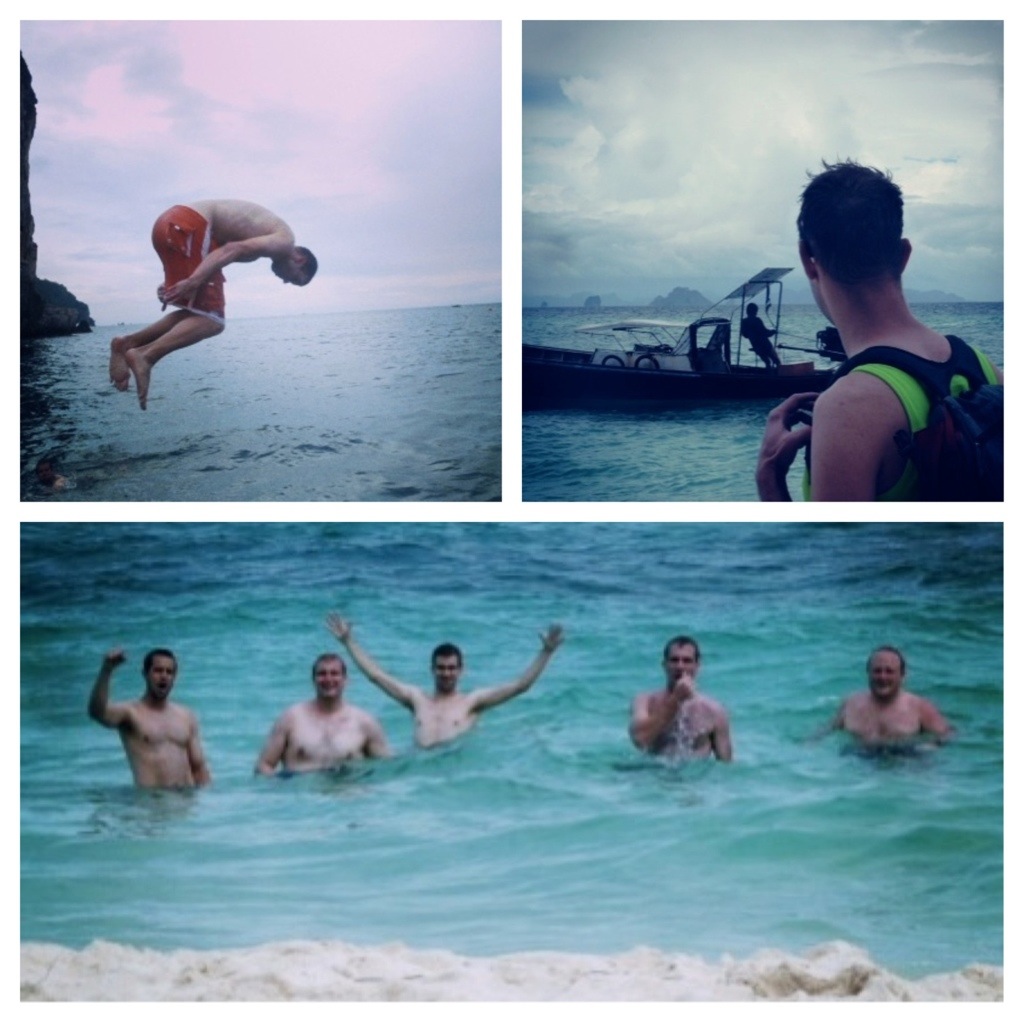
One of the popular activities was renting a long-tail boat with a guide to take you around the neighboring islands. We rented one for the afternoon and the agenda included a stop at an uninhabited, remote island with some of the most amazing beaches. We spent the better part of the afternoon enjoying lunch, a few beverages and the water. The next stop was snorkeling – the place where JR pulled off a front flip dive off the boat. It was the only day where the weather was slightly wet and the seas were rough, but we still had a great time!

20130623-152518.jpg

20130630-160825.jpg

Siem Reap!!

20130126-184205.jpg

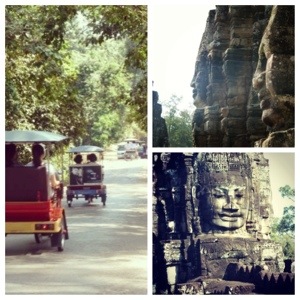
When we stepped off the airplane in Cambodia, the air was thick and about 20 degrees warmer than Vietnam – a welcomed surprise. We had a tuk tuk driver awaiting our arrival holding a sign with our names on it (I enjoyed this minor detail because it’s not everyday you have a driver holding a sign with your name on it). The key difference was the type of transportation – a tuk tuk is no limo. Regardless, traveling in a tuk tuk was a fun experience! The vehicle is a small, three wheeled motorbike with an attached cabin – which is big enough for 4 small people.

20130126-184214.jpg

Similar to Vietnam, tuk tuk drivers were everywhere. It seemed there were always more tuk tuk drivers than willing passengers and they had a way of convincing tourists to pay more than they normally would for the same distance. After our situation in Vietnam, we made sure to ask the driver how much he was planning to charge us before we got in.

20130126-184234.jpg
20130126-184220.jpg

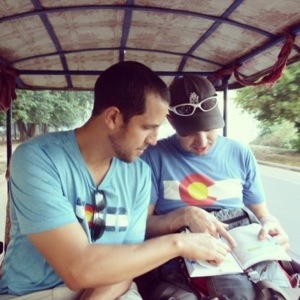
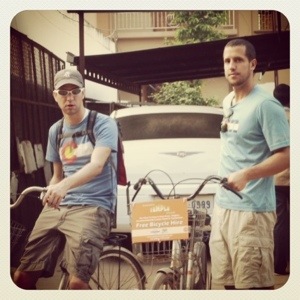
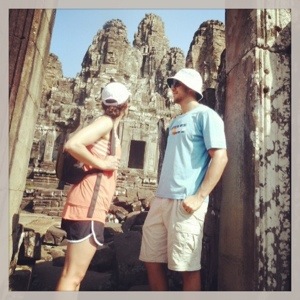
We decided to travel by bike when touring Angkor Wat. Jeremy and Rob both wore Colorado t-shirts that day and a stranger asked us where we bought our shirts, hoping he could score a cheap Colorado shirt in Cambodia.

20130126-184551.jpg
20130126-184543.jpg

Fun Facts about Cambodia:
– 1 USD = 4,013 Cambodian Riel (However USD was accepted everywhere).
– “Tuk” means “cheap” in Thai.
– Angkor Wat is the largest religious structure in the world.
– The city was built in the 12th century, initially a Hindu temple dedicated to the God Vishnu.
– In the late 13th century, it was changed to a Buddhist temple.
– The Cambodian government estimates over 600,000 foreign tourists visit Angkor Wat each year.

20130126-184558.jpg

20130126-184605.jpg

– Things were dirt cheap in Cambodia. Beers were USD $0.50 at the bars.
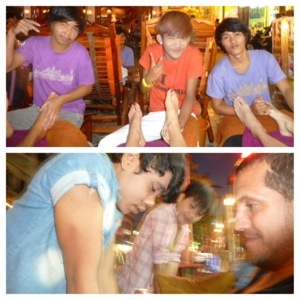
– The main attraction on the streets of Cambodia were foot massages. Two groups of kids were trying to win our business and in the end, the 19 year olds pictured below won. They offered us a free beer with a 30 minute foot massage for USD $3 (vs. no beer at the venue next door).
– Everyday, we indulged in a 60-minute Thai massage (on top of our daily 30 minute foot massage).

20130126-184627.jpg
20130126-184633.jpg
20130126-184641.jpg

– While we were having dinner one evening, the entire street went pitch black. Restaurant owners nonchalantly grabbed candles and lit them around the restaurant, on tables, and on the streets. The lights were out for about 15 minutes. We learned later this is relatively common in Cambodia.
– 4×4 tour we met local kids who didn’t know a word of English, except the words to Ghangnam Style.

20130126-184702.jpg

20130126-184649.jpg

– Our hotel was $20 per night. In fact, for three nights, two rooms, free brekkie for three days (for all three of us), three 60 minute welcome massages, free transport to the airport and a free drink upon arrival – we paid USD $120.

20130126-184717.jpg

20130126-184724.jpg

Ha Long Bay

20130523-180402.jpg

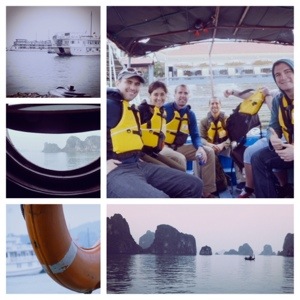
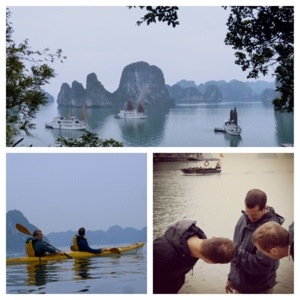
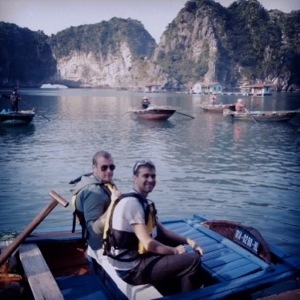
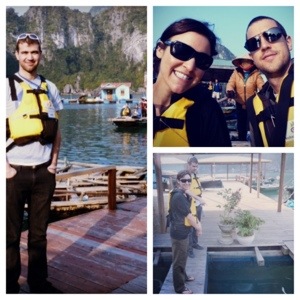
After spending several days in Hanoi, we took a short overnight detour to Ha Long Bay (after recommendations from several friends and colleagues in Sydney) which is where we celebrated Christmas Eve Day. Ha Long Bay is about a 3 hour drive east of Hanoi and is made up of thousands of tiny islands.

20130523-180426.jpg

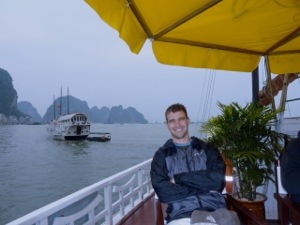
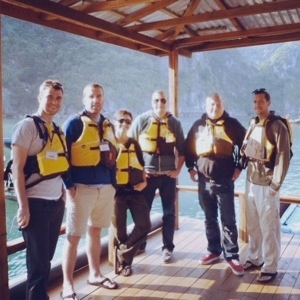
It was the first time many of us had taken an overnight cruise. The boat had 3 rooms that could sleep about 10 people + the crew – a bar tender, a chef, a captain and a tour guide. They certainly made us feel welcome by decorating the boat with Christmas trees and lights and, of course, a welcome beverage upon arrival (you’ll quickly learn that this is a common theme in this part of the world)!

20130518-144014.jpg

20130518-144110.jpg

20130518-145515.jpg

20130518-145543.jpg

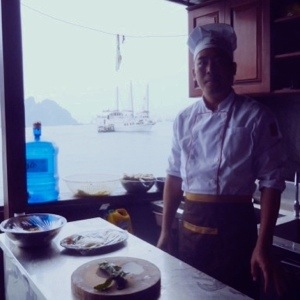
The Christmas Eve dinner was spectacular! If I remember correctly, we had 9 courses with close to every type of seafood imaginable. The chef was even catching fish off the boat earlier that day – talk about fresh! Rob gave it a shot but never managed to catch anything.

20130518-150323.jpg

Prior to serving each dish, our tour guide would introduce it as if it were the next person on stage at a concert. We would all applaud and laugh along. During one of the introductions the chef brought out a boat carved out from a watermelon (see picture below). He had spent the better part of the day carving it out – just for decoration!! He did something similar but carved it as an eagle… Pretty amazing work.

20130518-150333.jpg

20130518-150344.jpg

Fun Facts about Ha Long Bay:
– While we were there, 1 USD = 20,935 Vietnamese Dong
– Over 1,500 square km in size and has 2,000 tiny limestone islands created after 500 million years of erosion
– The bay is also home to around 1,600 fisherman than live permanently on floating villages. Most of these villagers live in extreme poverty, very small shack, no running water, illiterate and uneducated.
– Some have never set foot on dry land once in their life.
– We learned during the tour of the small village that most do not want to live there and hope to save enough money fishing to move to dry land someday.

20130518-150408.jpg

20130518-150440.jpg

20130518-150446.jpg

20130518-150454.jpg

20130518-151238.jpg

John McCain’s Account of Vietnam

I found John McCain’s story about his POW experience in Hanoi, Vietnam very interesting. The below story is extracted from Faith of My Fathers by John McCain.

…I knew I was hit. My A-4 aircraft, travelling at about 900km/h, was spiralling violently to Earth. I reacted automatically the moment I took the hit, reached up and pulled the ejection seat handle.

I struck part of the aircraft, breaking my left arm, my right arm in three places and my right knee, and was briefly knocked unconscious.

Witnesses said my chute had barely opened before I plunged into the shallow water of Truc Bach Lake.

Wearing about 25kg of gear, I touched the bottom of the lake and kicked off with my good leg. I did not feel any pain as I broke the surface and I did not understand why I couldn’t move my arms to pull the toggle on my life vest.

I sank to the bottom again.

When I broke the surface the second time, I managed to inflate my life vest by pulling the toggle with my teeth. Then I blacked out again.

When I came to the second time, I was being hauled ashore on bamboo poles. A crowd of several hundred Vietnamese gathered around me, stripping my clothes off, spitting on me and kicking and striking me.

When they had finished removing my gear and clothes, I felt a sharp pain in my right knee. I looked down and saw that my right foot was resting next to my left knee at a 90 degree angle.

I cried out: “My God, my leg!”

Someone smashed a rifle butt into my shoulder, breaking it. Someone else stuck a bayonet in my ankle and groin. A woman, who may have been a nurse, managed to dissuade the crowd from further harming me. She then applied bamboo splints to my leg and right arm.

It was with some relief that I noticed an army truck arrive on the scene. The soldiers placed me on a stretcher, loaded me into the truck and drove a few blocks to the French-built prison, Hoa Lo, which the PoWs had named the Hanoi Hilton.

As the massive steel doors clanked shut behind me, I felt a deeper dread than I have ever felt since.

The date was October 26, 1967. I was 31 and a lieutenant commander in the US Navy when I was shot down.

For two centuries, the men of my family were raised to go to war as officers in America’s armed services.

I was the son and grandson of Navy officers and my father trusted that when I met with adversity, I would use the example he had set.

The soldiers took me into an empty cell, set me down on the floor still on the stretcher and placed a blanket over me. For the next few days, I drifted in and out of consciousness.

My interrogators accused me of being a war criminal and demanded military information. They knocked me around a little and I began to feel sharp pains in my fractured limbs.

I blacked out after the first few blows.

I thought if I could hold out, they would relent and take me to a hospital.

But on the fourth day, I realised my condition had become more serious. I was feverish and losing consciousness for longer periods.

I was lying in my vomit and other bodily wastes, and my knee had become grossly swollen and discoloured.

The medic, called Zorba, took my pulse.

“Are you going to take me to the hospital?” I asked.

“No,” he replied. “It’s too late.”

Panic that death was approaching overtook me: the Vietnamese usually refused treatment to the seriously injured. Blessedly, I lapsed into unconsciousness.

I was awakened a short while later when the camp officer, a mean son of a bitch called Bug, rushed excitedly into my cell.

“Your father is a big admiral,” he shouted. “Now we take you to the hospital.”

God bless my father.

It was hard not to see how pleased they were to have captured an admiral’s son and I knew my father’s identity was directly related to my survival.

I was moved to a hospital in central Hanoi. Coming to a couple of days later, I found myself lying in a filthy room, lousy with mosquitoes and rats.

Every time it rained, mud and water would pool on the floor. No one had even bothered to wash the grime off me.

I began to recover my wits and my interrogators came to the hospital to resume their work. The beatings were of short duration because I let out a hair-raising scream when they occurred and my interrogators appeared concerned that hospital personnel might object.

Eventually I gave them my ship’s name and squadron number. When asked to identify future targets, I recited the names of north Vietnamese cities that had already been bombed.

In early December, they operated on my leg, severing all the ligaments on one side of my knee, which has never fully recovered.

In late December, they decided to discharge me. I had a high fever and suffered from dysentery. I had lost about 25kg and weighed barely 45kg. I was still in a chest cast and my leg hurt like hell.

I was blindfolded, placed in the back of a truck and driven to a prison called The Plantation.

To my great relief I was placed in a cell with two other prisoners, Air Force majors “Bud” Day and Norris Overly. There has never been a doubt that Bud and Norris saved my life.

They later said their first impression of me, emaciated, bug-eyed and bright with fever, was of a man at the threshold of death.

They thought the Vietnamese expected me to die and had placed me in their care to escape the blame when I failed to recover.

Bud had been seriously injured when he ejected. After he was captured, he had attempted an escape and had almost reached an American airfield before he was recaptured.

His captors had looped rope around his shoulders, tightened it until his shoulders were almost touching, and then hung him by the arms from the rafter of the torture room, tearing his shoulders apart.

Left in this condition for hours, Bud never acceded to Vietnamese demands for military information. They had to break his already broken right arm a second time, and threaten to break the other, before Bud gave them anything at all.

Because of his injuries, Bud was unable to help with my physical care. Norris, a gentle, uncomplaining guy, cleaned me up, fed me and helped me on to the bucket that served as our toilet.

Thanks to them, I began to recover. Soon I was able to stand unaided and even manoeuvre around my cell on a pair of crutches.

In April 1968, Bud was relocated to another prison. Norris had been released under an “amnesty” and I would remain in solitary confinement for more than two years.

Though I could manage to hobble around on my crutches, I was in poor shape. I couldn’t pick up or carry anything.

The dysentery caused me considerable discomfort: food and water would pass immediately through me, and sharp pains in my stomach made sleeping difficult.

It’s an awful thing, solitary. It crushes your spirit and weakens your resistance more effectively than any other form of mistreatment.

Having no one else to seek counsel from, you begin to doubt your judgment and courage.

The first few weeks are the hardest. The onset of despair is immediate, and it is a formidable foe. I reconstructed from memory books and movies I had enjoyed.

I tried to compose books and plays of my own, acting out sequences in the solitude of my cell.

I had to carefully guard against my fantasies becoming so consuming that they took me permanently to a place in my mind from which I might never return.

My cell was directly across the courtyard from the interrogation room. It had a wooden board for a bed and a naked light bulb dangling on a cord in the ceiling. The light was on 24 hours a day.

Adding to our discomfort was the building’s tin roof, which must have increased the summer heat by five or more degrees.

In mid-June 1968, the camp commander, over an inviting spread of biscuits and cigarettes, asked me if I would like to go home.

I wanted to say yes: I was tired and sick and I was afraid.

But the Code of Conduct was explicit: “American prisoners cannot accept parole or amnesty or special favours.”

I said I would think about it. I knew how my release would affect my father and my fellow prisoners, and I discovered later what the Vietnamese hoped to gain.

On July 4, my father had become Commander in Chief, Pacific. The Vietnamese intended to hail his arrival with a propaganda spectacle, releasing his son as a gesture of “goodwill”.

For almost two months, nothing happened. Then the punishment sessions began. I was hauled into an empty room and kept there for four days. At intervals, the guards returned to administer beatings.

One guard held me while the others pounded away.

They cracked several of my ribs and broke a couple of teeth. Weakened by beatings and dysentery, with my right leg again almost useless, I found it impossible to stand.

On the third night I lay in my blood and waste, so tired and hurt that I could not move. Three guards lifted me to my feet and gave me the worst beating yet. They left me lying on the floor moaning from the stabbing pain in my re-fractured arm.

Despairing of any relief from pain and further torture, I tried to take my life. After several unsuccessful attempts, I managed to stand. Up-ending the waste bucket, I stepped on it, bracing myself against the wall with my good arm.

I looped my shirt through the shutters. As I looped it around my neck, a guard saw the shirt through the window, pulled me off the bucket and beat me.

Later, I made a second, feebler attempt at suicide. On the fourth day, I gave up. I signed a confession that “I am a black criminal and I have performed the deeds of an air pilot”.

The guards ordered me to record my confession on tape. I refused, and was beaten until I consented.

Those were the worst two weeks of my life. I shook, as if my disgrace was a fever and no one would ever look on me again except in pity or contempt.

The Vietnamese never seemed to mind hurting us, but they usually took care not to put our lives in danger.  We strongly believed that some PoWs were tortured to death and most were seriously mistreated.

One man, Dick Stratton, had huge infected scars on his arms from rope torture. His thumbnails had been torn off and he had been burned with cigarettes.

However, the Vietnamese prized us as bargaining chips in peace negotiations and they usually did not intend to kill us when they used torture to force our co-operation.

By the end of 1969, routine beatings had almost stopped. We occasionally received extra rations. Our circumstances would never be as dire as they had been in those early years.

I was released and flown home at the end of the war, in March 1973. I had been incarcerated for 5 1/2 years.

— John McCain

Hanoi, Vietnam

Vietnam was my favorite place to visit.  For starters, the hotel we stayed at was rated 5 stars and it wasn’t necessarily due to the unbelievable brekkie (although that certainly helped). The staff treated us like we were Will and Kate… like royalty. Every time we approached the hotel, they would kindly open the door and ask about our day. They even greeted us with a beverage upon arrival and made sure we left our bags for them to carry.

20130504-123003.jpg

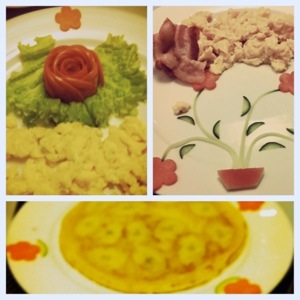
Brekkie was unreal.  We had an array of unlimited freshly squeezed juice, coffee, eggs, pancakes, toast, poh soup and – most importantly – unlimited FREE WIFI!

20130504-124546.jpg

Did you know?
– Jeremy bought a custom made suit in Hanoi and has only wore it once, whereas Rob bought the same suit and has yet to take it off during the working hours of the week (Monday – Friday).
– Jeremy made two stops on his way out; one in San Francisco and one in South Korea. On his flight to South Korea, he saw Mt. McKinley from his airplane seat.
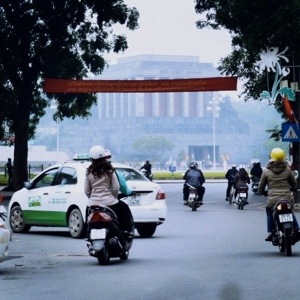
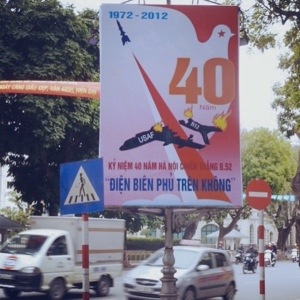
– While we were there, the city was celebrating the 40th anniversary of winning the war against the United States. There were banners all over the city similar to the picture below.

20130504-122951.jpg
20130512-190815.jpg

– According to PricewaterhouseCoopers, Hanoi will be the fastest growing city in the world in terms of GDP growth from 2008 to 2025.
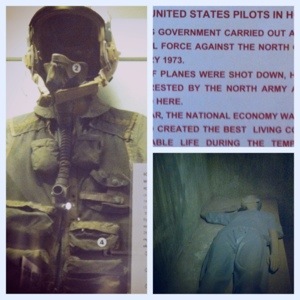
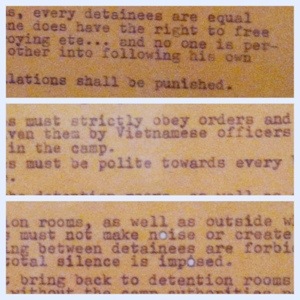
– The Hỏa Lò Prison (also sarcastically known by Americans as the “Hanoi Hilton”) was where John McCain spent 5 1/2 years as a POW. Below is a picture of McCain’s flight suit and parachute, along with the rules every inmate must abide by.

20130512-190907.jpg
20130512-190858.jpg

I bet you knew…
– Jeremy and Rob were done shopping after the first store we walked in, while I was eager to take advantage of the massively discounted clothing shops (relative to the massively overpriced Australian retail market).
– Even in a third-world, communist country, the guys found a way to watch the Broncos game. Die Hard Fans.

20130504-125743.jpg

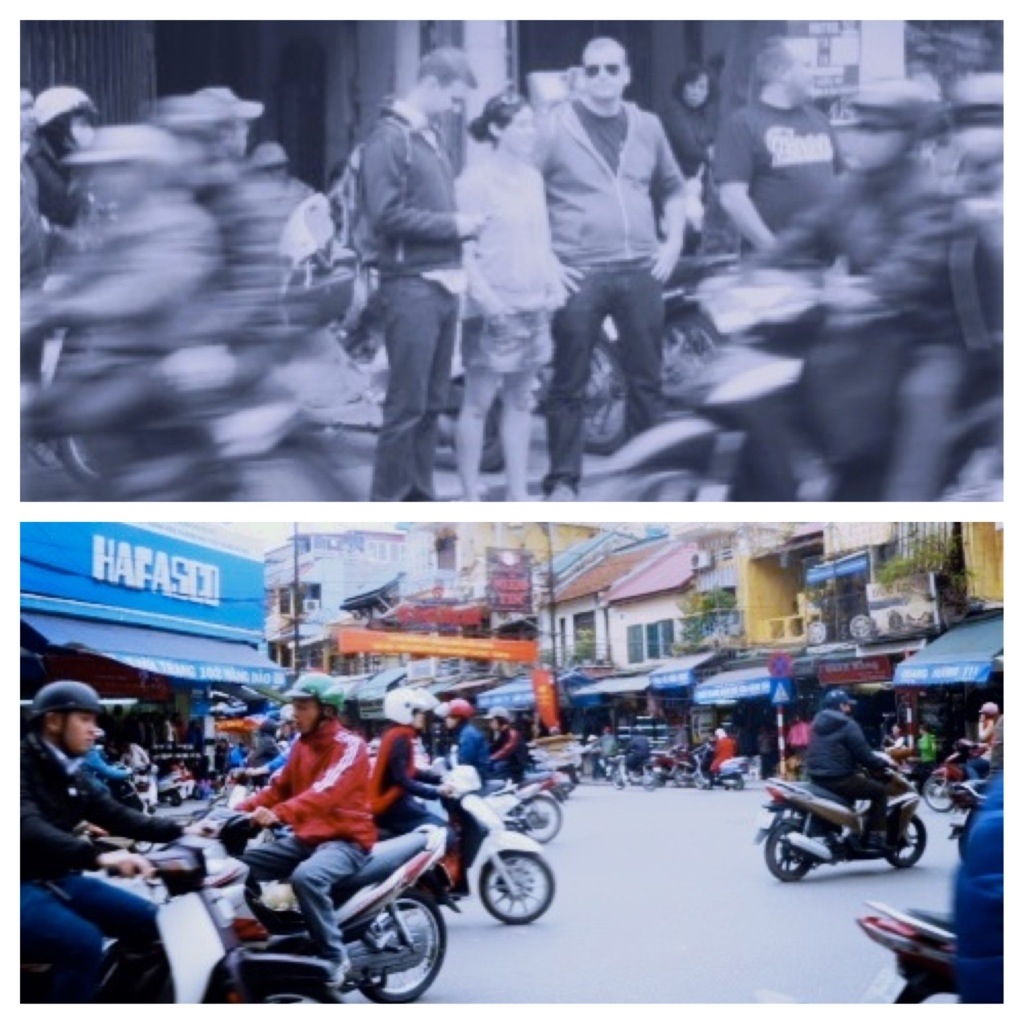
– Scooters were EV..E.RY.Wh.E.R…e. (It’s like trying to play leap frog but the cost of getting hit is much more severe).

20130512-192002.jpg

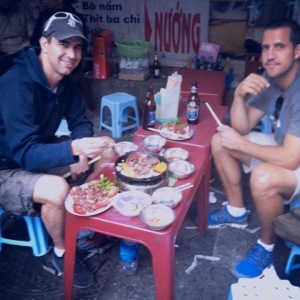
– We, Americans, towered over every single person in sight.  Even the tables on the street were too small for us to sit. These kind of tables were very common on the compact streets of Hanoi, but it certainly made for good people watching!

20130512-192611.jpg

20130504-124212.jpg

The only minor setback we had was during our last meal in Hanoi. Vietnamese people were always trying to get us to eat at their restaurant or buy their water, their clothing, their goods or anything else they were selling. Since we were in a bit of a rush to catch our ride to the airport, a restaurant owner easily persuaded us to sit down and order the BBQ’d beef for 3 people. After finishing our meal, the owner pulled out his cell phone, calculated the total, and hesitantly said we owed 1,000,000 Vietnamese Dong (or about 50 USD). If we hadn’t just spent the last 3-4 days there, we probably wouldn’t have noticed much of anything. But considering we had a similar meal the day before for about 1/10th the price and, more importantly, we had very little dong left to spend (our next stop was Cambodia), we weren’t too happy. Jeremy and I argued with the owner while Rob went back to the ATM to get additional dong out. He wouldn’t budge.

20130512-190738.jpg

I guess we learned our lesson.. Always ask for a menu or the price first before eating.

Singapore

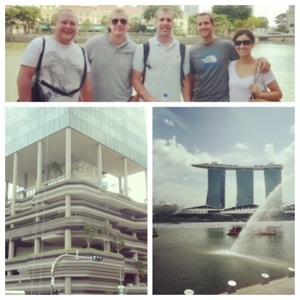
Southeast Asia has always been on my bucket list of places to visit and, with Singapore only an 8-hour flight away, we decided to plan a 2 week trip over Christmas and New Year’s.  Jeremy decided to join us from the states, along with a few mates from Sydney (Jack, Tim and Kenty).

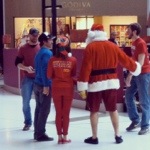
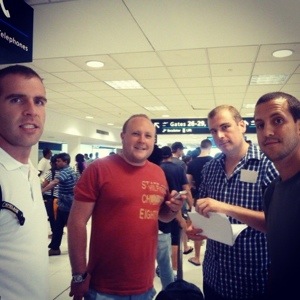
Probably one of the most exciting parts of the trip was knowing that I could utilize the perks of the Qantas Club lounge with Rob.  I managed to convince him that we should arrive a good 3 hours before the flight so we could take full advantage of the unlimited food and beverages.   Turns out, we failed to get past the front door because we were flying ‘Scoot Airlines’ – the lowest cost airline available in the Australia-Asian market.  After being politely asked to leave, Rob quickly spat out, “OH OK – we’ll go grab our parents who have the correct airline tickets.”  Needless to say, we didn’t return.  But that sure didn’t stop us from enjoying the whole 3-hours in the Duty Free shop area.  We opened a bottle of wine and watched Santa makes his rounds with the kids.  Not a bad start to the holiday, I reckon 🙂

20130423-175050.jpg

20130423-175041.jpg
20130120-193925.jpg

FUN FACTS ABOUT SINGAPORE:
– Bungee jumping is illegal.
– Chewing gum in public is illegal (which didn’t go over well for me).
– Failure to flush a public toilet after use may result in hefty fines.
– All cab drivers must be at least 30 years old, must be married and have no criminal record.
– The result? One of the lowest crime rates in the world to date!
– Singapore is among the 20 smallest countries in the world (~683 sq kilometers or km2) and is the second most densely populated country in the world with about 6,430 people per km2 (for those of you from the US – the USA is about 15,000 times bigger in terms of size and has about 34 people per km2).
– Due to the dense population, the government restricts the number of private cars on the road. How? Buyers must purchase a “Certificate of Entitlement” which allows the owner to use the vehicle for up to 10 years. Price tag for certificate alone – let alone high gas prices and insurance? Equivalent to buying a Porsche Boxster in the US!!
– Foreigners make up 42% of the total population.
– Oh and… When they stamped out visas, Immigration made sure we were aware that drug trafficking is punishable by death… Alrighty then.

20130120-194005.jpg

20130120-194016.jpg

20130120-194023.jpg