Great Wonders of the World

Port Douglas is about an hour north of Cairns in northern Queensland. We stayed 5 nights at the end of June and into July. Port Douglas is one of the closest towns to the Great Barrier Reef and is right next to the Daintree Rainforest, the oldest rainforest in the world.
We were there for my 28th birthday
View of 4 mile beach
Pool shark
The start of our Daintree Rainforest guided tour
Took a boat up the Daintree River and saw a few cocs and snakes
Interesting roots on this tree. Our guide told us that Aborigines used these roots to make boomerangs.
Place where we stopped for lunch in the middle of the rainforest
I cant remember what these roots were called, snorkel roots maybe? Pretty cool.
One of the bars in Port Douglas had Cane Toad races every Saturday night. 4 lucky members of the crowd get assigned a toad. They then get a kazoo to encourage their toad to jump. First toad to make it to the other end is the winner. Not sure if I’ll ever witness something like that again.
On the 4th day we did our Reef tour. A boat took us out to the outer reef from about 8:00 am to 5 pm. We went to three different sites to snorkel. We saw several sea turtles, tons of fish, and one shark.

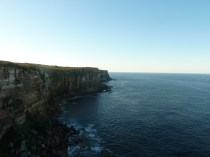
North Head

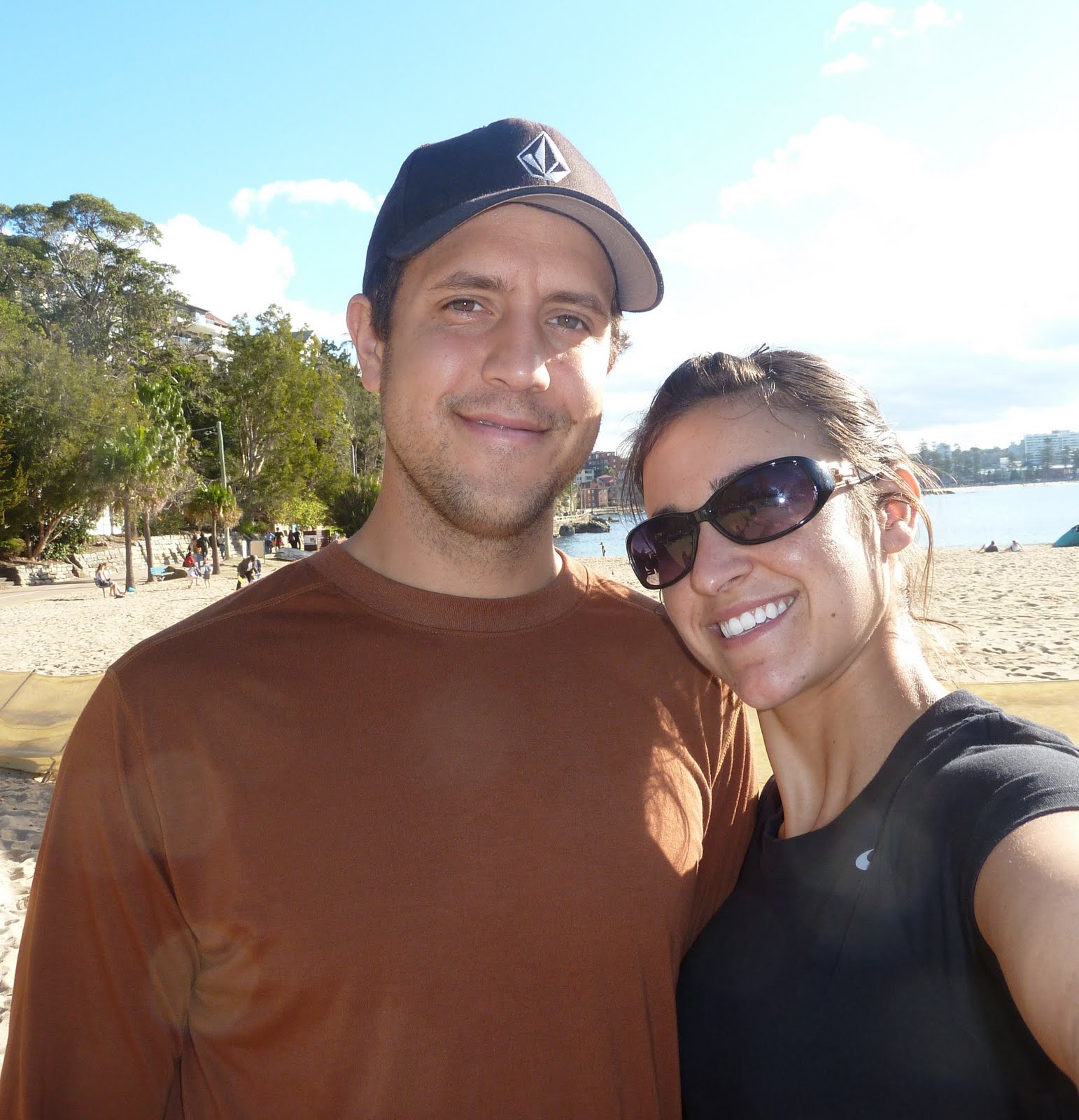
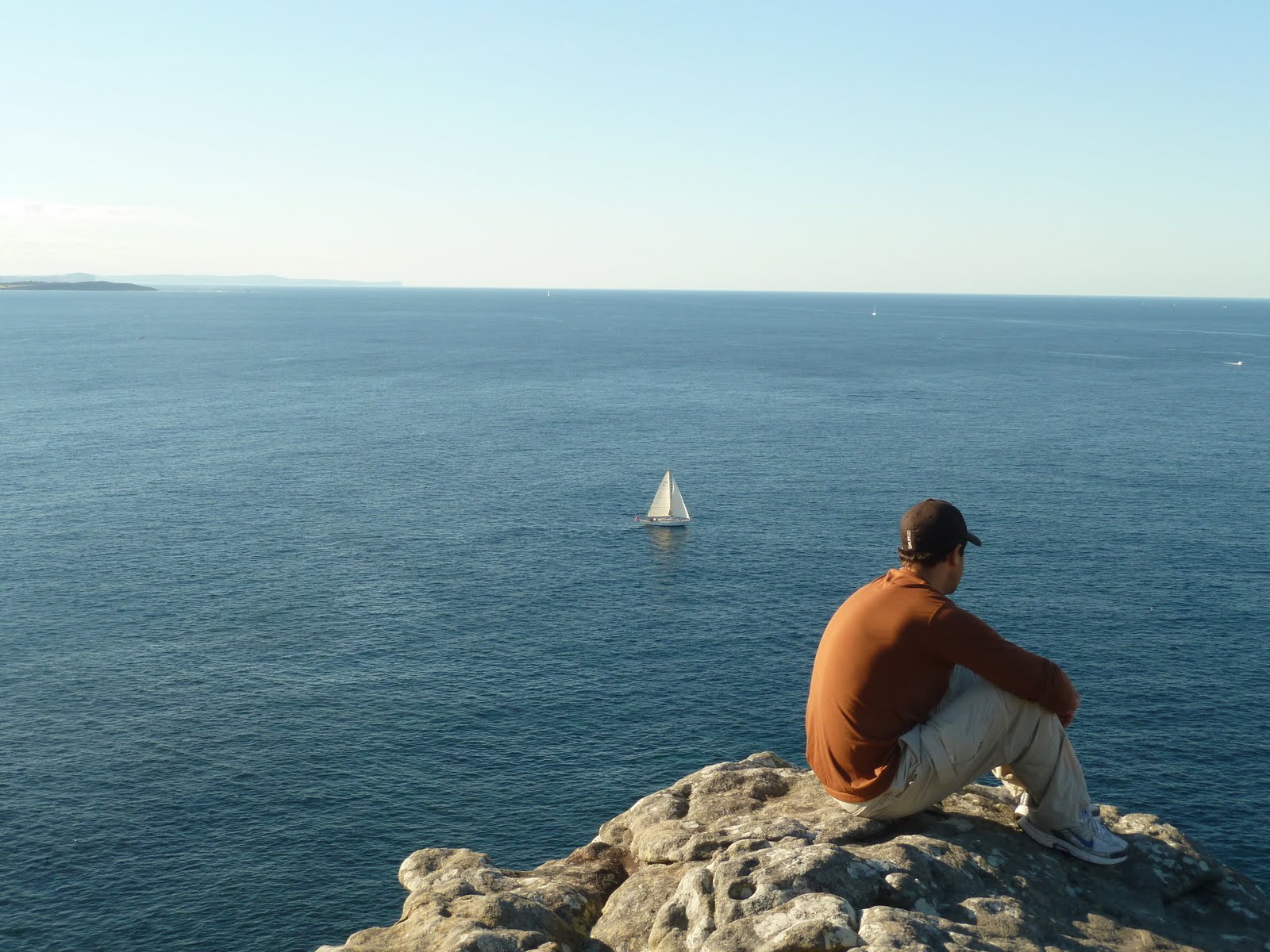
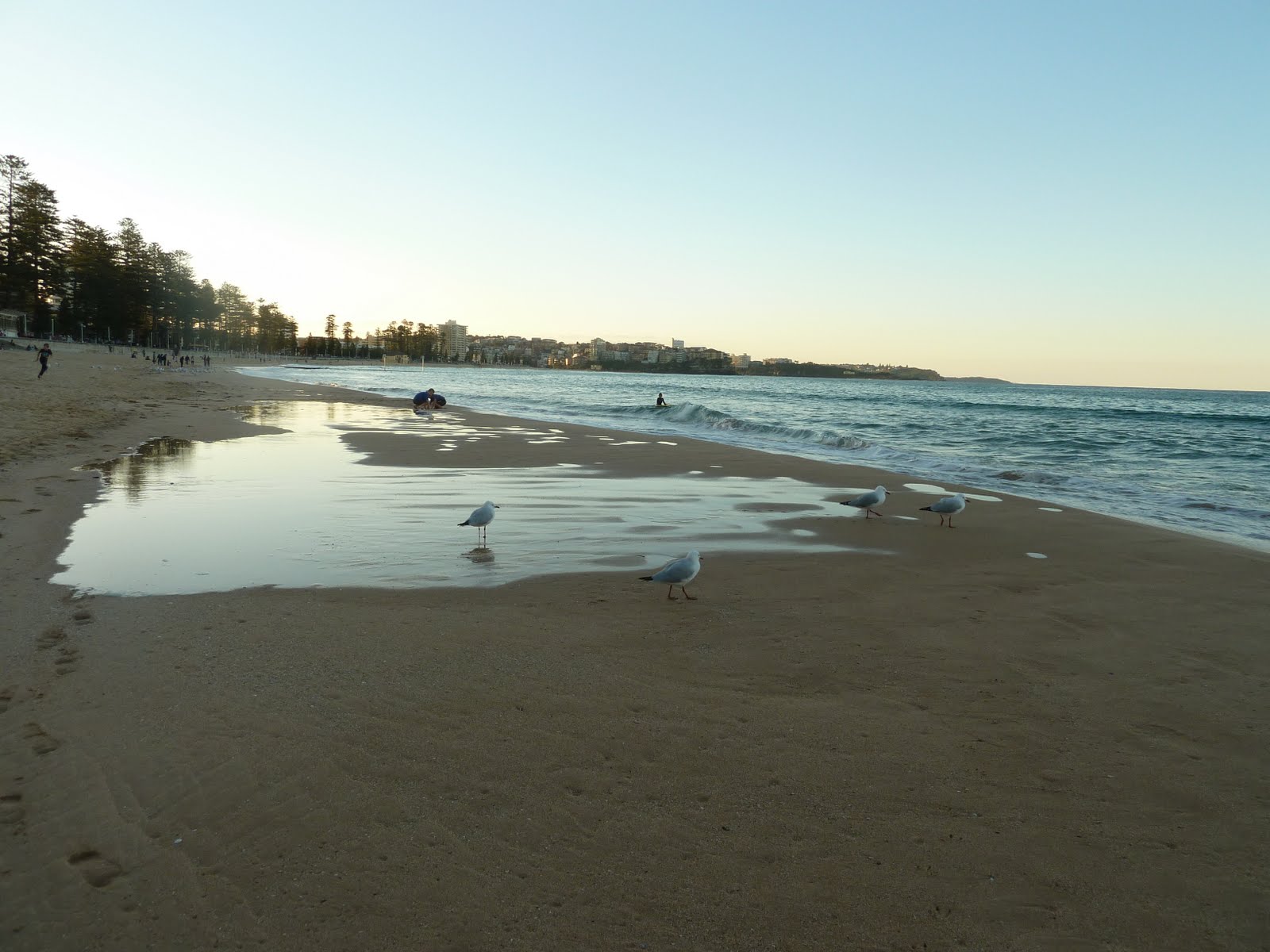
 Not a bad way to begin a sunny, winter day in Sydney. Rob and I grabbed a ‘hearty’ hike just south of Manly Beach.  We posed for a quick shot at Shelly Beach, a beach full of sea shells and sand, then worked our way out to North Head.
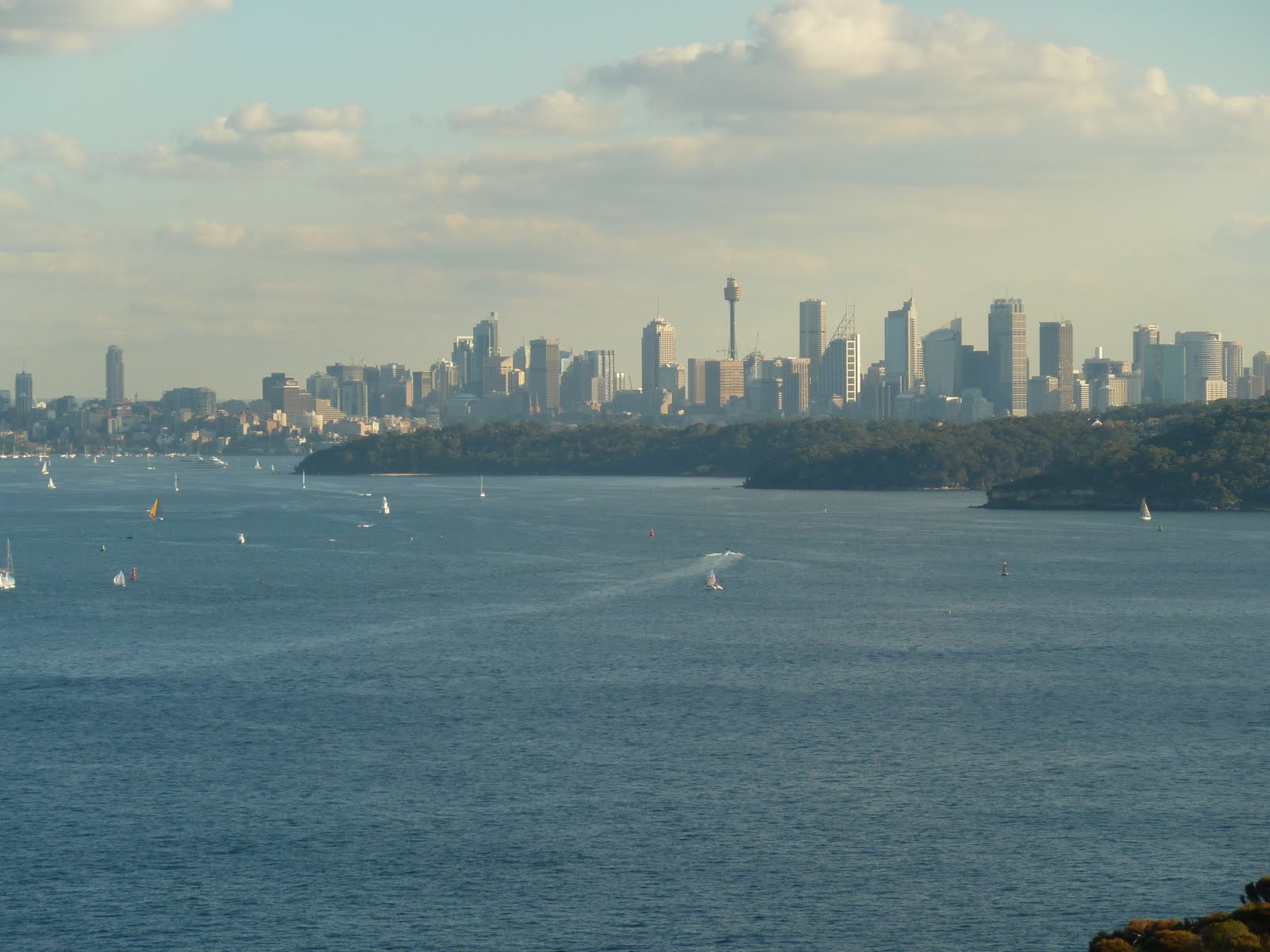
 View of downtown Sydney from North Head
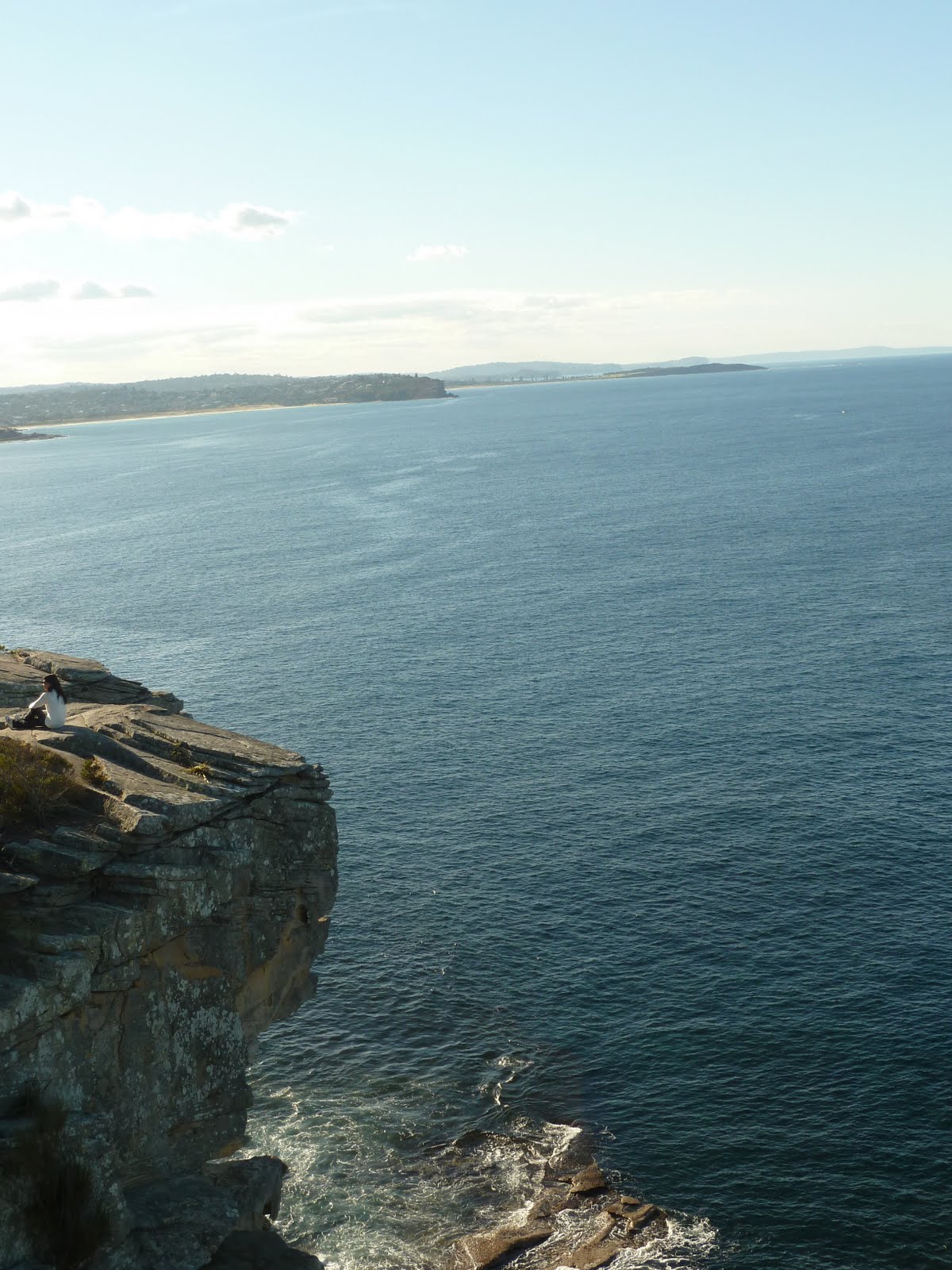
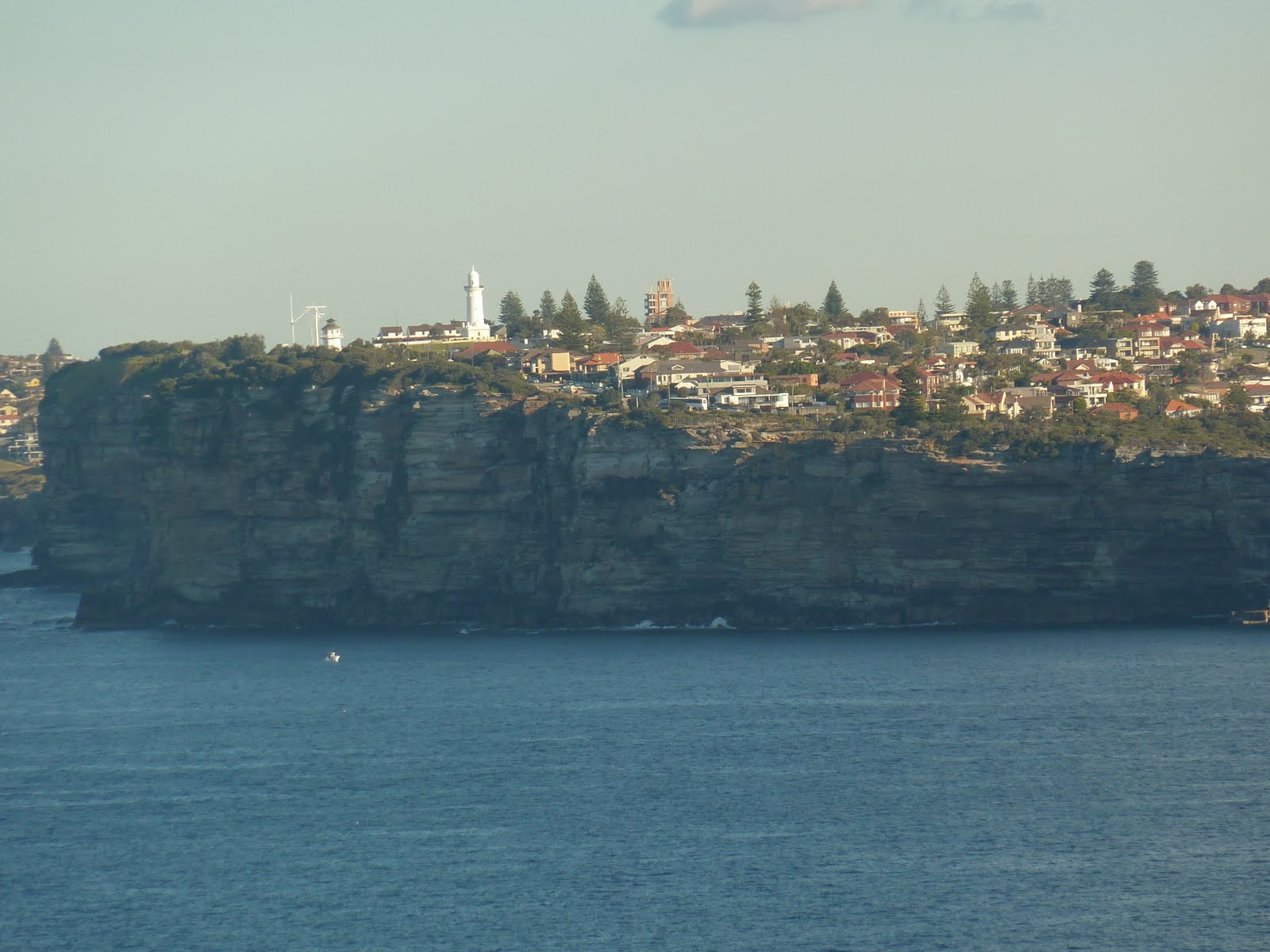
 Here is a view of South Head.
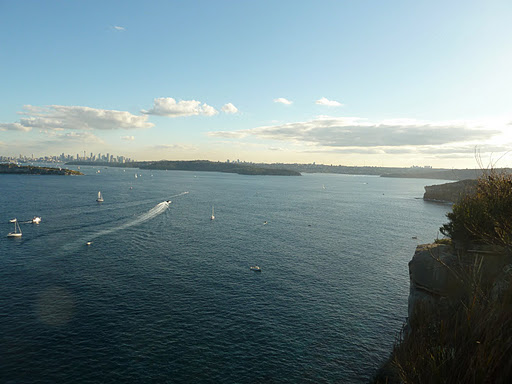
 North Head and South Head create the only entrance into Sydney harbour. In the 1930s, North Head, South Head and Middle Head were used to set up military posts in case of attack. (http://www.harbourtrust.gov.au/visit-our-sites/north-head-sanctuary/history/index.html).

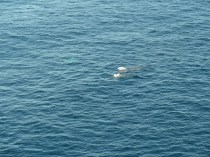
We did some whale watching along our hike and were lucky enough to see a few! According to the Sydney Wildlife website: “Humpback Whales are most likely to be seen between the months of June (Winter) and October (Spring).

They are known to swim very close shore where they will swim into large bays and Harbour areas in order to rest and gain protection during times of rough seas. In Autumn, as the water temperatures fall resulting in ice forming on the surface of the ocean, the Whales will begin their northward migrations up the East and West Coasts of Australia. This mass migration takes them to more temperate, sub tropical waters where Whales will mate, and the female Whales will give birth to calves. The Whales will then begin the migrations back south down the East and West Coasts of Australia at the end of spring.


By summer, the whales are seen in the freezing waters of Antarctica where they feed on the enormous quantities of Krill (a prawn like species) that makes up their enormous diets.

We did an entire loop and ended up back at Manly Beach.